Trump's Rally Tour and Fraud Claims Shape Midterm Vote
With low approval ratings, the president’s active campaigning and legal moves are creating a tense backdrop for today's congressional races.
By Sarah Montgomery ·
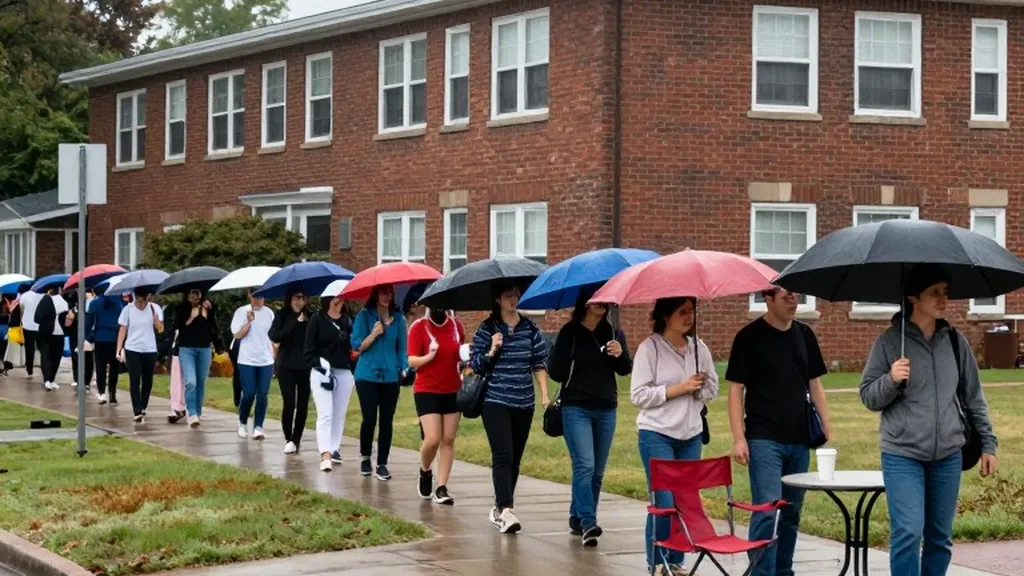
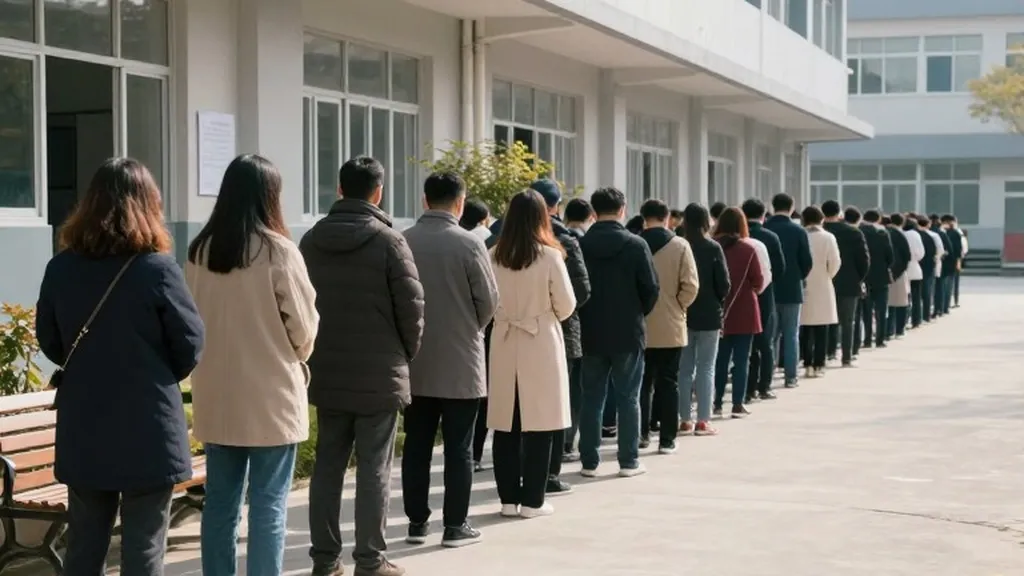
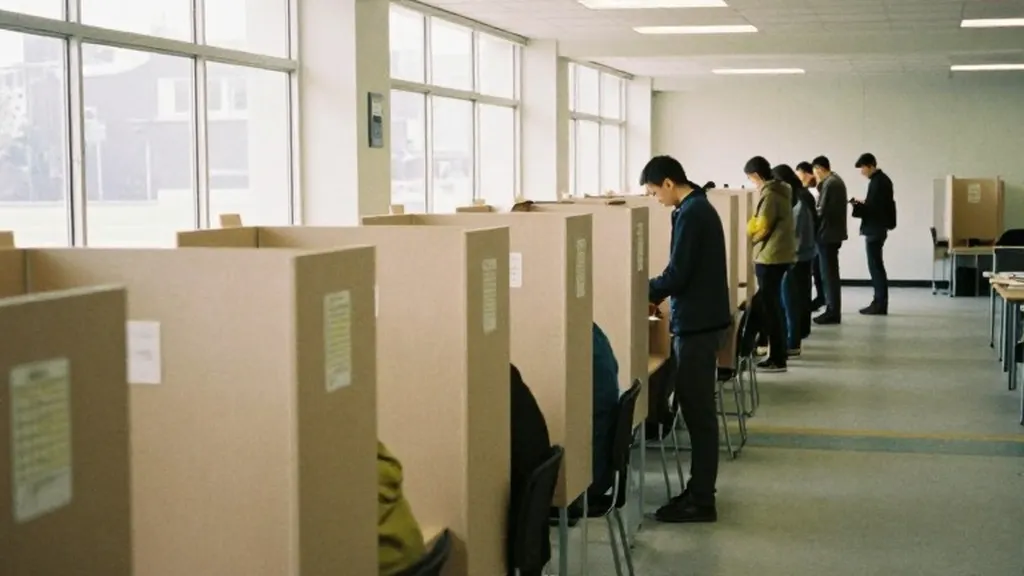
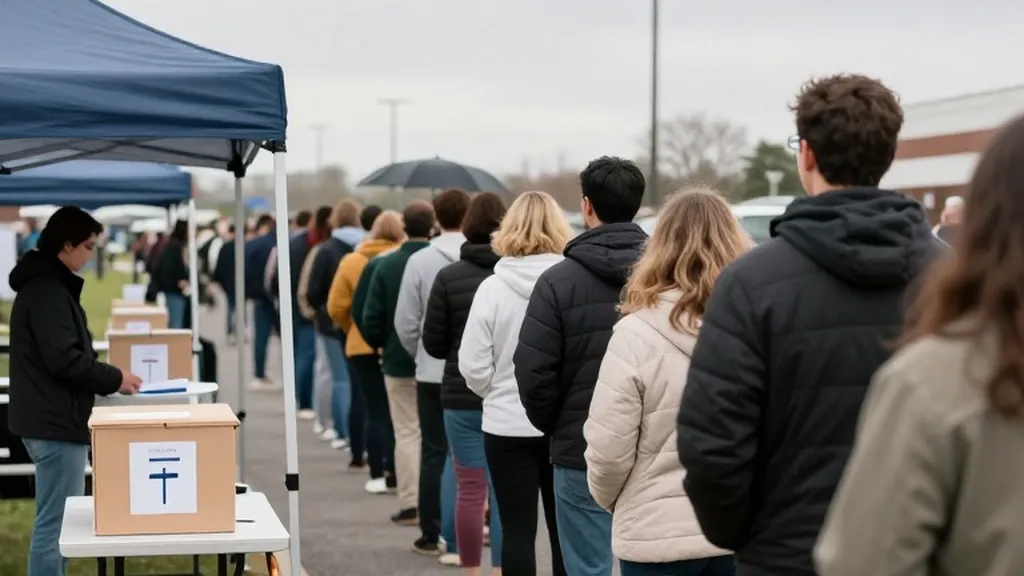
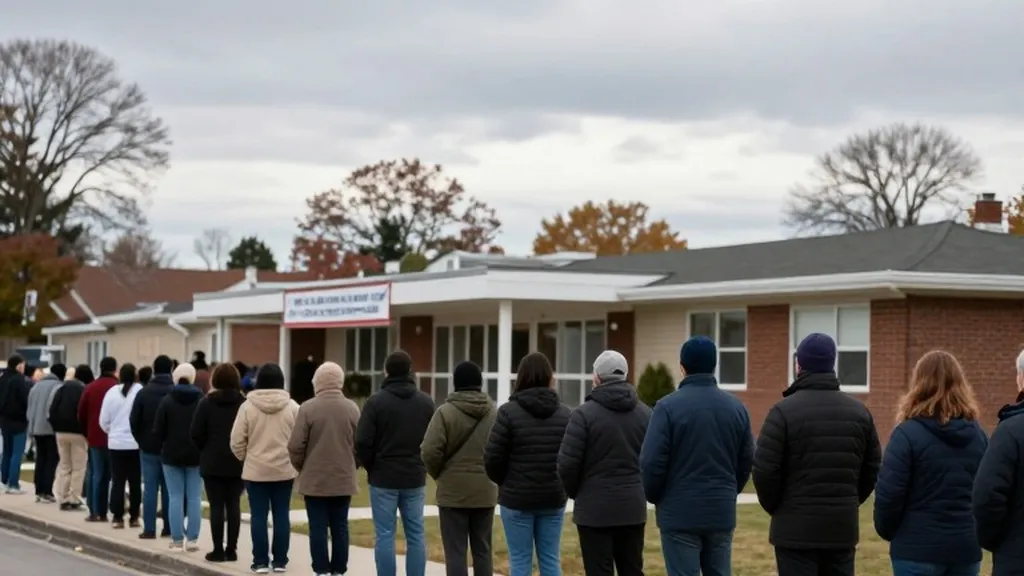
Voters across the United States are heading to the polls on Tuesday, November 3, 2026, to determine the composition of Congress for the final two years of President Donald Trump's second term. The election is a referendum on the president's performance, with many citizens citing high prices and an unpopular war with Iran as primary concerns. While polls remain open, the political atmosphere is charged by the president's direct involvement in the campaign and his ongoing disputes with election officials.
President Trump has maintained a highly active schedule in the final days before the vote, holding dozens of rallies across the country. His final event before Election Day took place in Salina, Kansas, where he urged supporters to imagine he was on the ballot. The Associated Press notes that many Republican candidates have kept a physical distance from these events, seeking to balance the president's support with their own local messaging. This dynamic reflects a broader tension within the Republican Party as they navigate the midterm landscape.
The president's public standing remains a significant factor in this contest. 35 percent of U.S. Adults approve of Trump's job performance, while only 25 percent approve of his handling of the economy. Approximately seven in ten respondents say the country is heading in the wrong direction. Most of these voters blame the president for rising prices, a sentiment that has fueled anger among independents and Democrats alike as they consider their choices on the ballot.
Simultaneously, President Trump has continued to assert claims of voting fraud, including statements that noncitizens vote in large numbers. His administration has filed lawsuits in Alaska and California related to these issues. Democrats have expressed concern that these legal actions and the Justice Department's threat to prosecute local election officials could lead to interference or intimidation. These moves have added a layer of complexity to the election administration process as states prepare to count ballots.
On the legal front, a federal judge temporarily barred the Trump administration from implementing a plan designed to prevent noncitizen voting, citing risks to eligible voters and state authority. In California, another judge ordered the administration to stop demanding that election officials segregate ballots from people on lists of suspected noncitizens. These judicial decisions highlight the ongoing battles over voting rules and the role of the federal government in state-level elections, creating uncertainty that both parties are monitoring closely.
The financial stakes of the 2026 elections are unprecedented, with the Associated Press reporting that this will likely be the most expensive midterm in history. Republican committees have outraised and outspent their Democratic counterparts, aided by Trump-affiliated groups and billionaire Elon Musk. However, at the candidate level, Democrats have managed to outraise their opponents. The distribution of advertising spending also reflects the president's influence, with 88.1 percent of Republican general election TV ad spending directed at states and districts Trump won in 2024.
Voters are casting their ballots for all 435 U.S. House seats, 35 Senate seats, and 36 governorships. Democrats need a net gain of three House seats and four Senate seats to achieve a majority in both chambers. Republicans can lose no more than two seats in the House and two in the Senate to maintain control. The outcome will determine which party leads oversight and investigations in Congress, with House Democratic Leader Hakeem Jeffries poised to become the first Black speaker if his party takes the chamber.
The mood among party leaders is mixed as the day progresses. RNC Chairman Joe Gruters stated that everything depends on turnout, asserting that if Republicans turn out their voters, they will win. Conversely, DCCC Chair Rep. Suzan DelBene said the American people are angry and want change. Individual voters reflect this divide, with some citing the president's strong job performance and others pointing to increased costs for taxes, healthcare, and daily necessities.
Election officials have taken steps to ensure the process runs smoothly, with the U.S. Postal Service adding hours, staff, and special lines to ensure mail ballots are counted on time. More than 57 million people had already voted as of Monday, surpassing early vote totals from four years ago in many states. The high volume of early voting underscores the level of engagement and anticipation surrounding this midterm contest.
The results of Tuesday's vote will not only shape the balance of power in Washington but also influence the political landscape for the 2028 presidential cycle. A strong performance by Democrats could boost potential candidates like Gavin Newsom and JB Pritzker, while a Republican hold would complicate the path for Vice President JD Vance. As polls close across the country, the nation waits to see if the president's party can defy the historical midterm pattern of seat losses.
The election also carries implications for the broader economy, with Reuters noting that investors are watching for signals on debt ceiling negotiations and spending priorities. The outcome in key battleground states, including Georgia, Michigan, and Ohio, will be closely scrutinized by market analysts. Today's vote represents a critical check on the executive branch's power and a statement on the direction of the nation during a period of significant economic and geopolitical shifts.