Voters chose economic relief over security in 2026 midterms
AP-NORC data shows prices drove the election, as Democrats swept both chambers and shifted state control from North Carolina to Florida.
By Sarah Montgomery ·

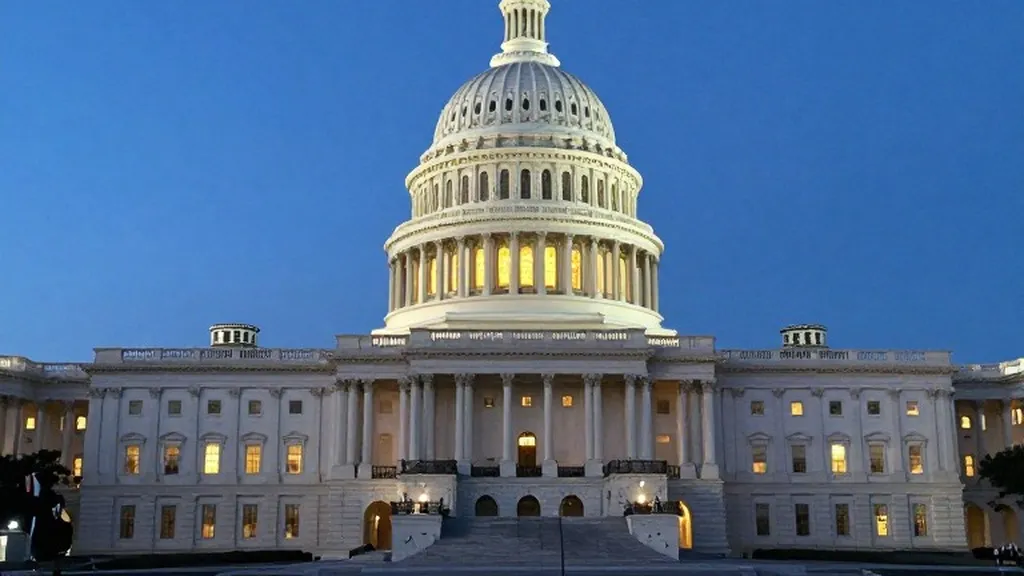
The 2026 midterm elections have concluded with a decisive shift in power, as Democrats secured majorities in both the U.S. House and the Senate. The Associated Press and NORC data identified prices and the broader economy as the primary concern for voters in this cycle. This economic anxiety translated into significant gains for the Democratic Party, which picked up at least 43 House seats and seven Senate seats. All seven Senate seats gained were previously held by Republicans. The House majority now stands at a minimum of 250 to 157, while the Senate balance is 54 to 44. This net loss of Senate seats places the 2026 election in the top 20 percent of historical midterm swings against a president's party, a threshold often defined as a wave election.
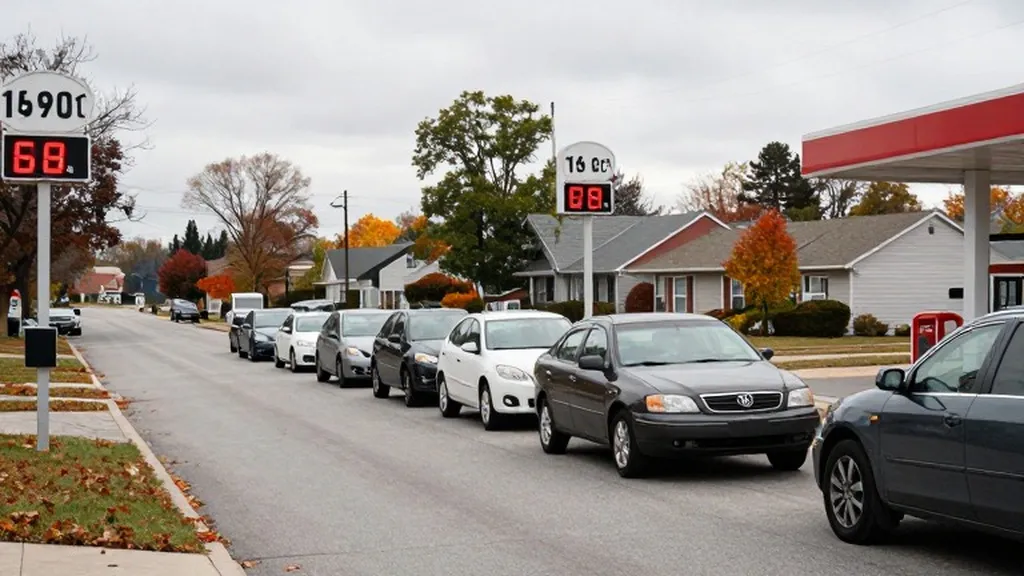
The economic narrative was central to the campaign trail, with tariffs and inflation cited as key drivers of voter behavior. In North Carolina, the state's U.S. Senate race and state legislative outcomes reflected a strong Democratic lean. Raleigh, the state capital, saw a surge in Democratic support that aligned with national trends favoring candidates who emphasized cost-of-living relief. The shift in North Carolina was part of a broader pattern where Democrats won a majority of governorships for the first time since before the 2010 elections. Five governorships changed party control, all from Republicans to Democrats. This geographic shift highlights the growing importance of mid-Atlantic and Southern states in the national political landscape.
In Florida, the dynamics were equally pronounced, particularly in the Palm Beach area. West Palm Beach, a key county in the state, contributed to the Democratic gains in the state's congressional delegation. The economic pressures felt in these coastal communities, exacerbated by tariff-related costs on goods, resonated with voters who prioritized financial stability over other policy issues. The Associated Press reported that voters in these regions expressed clear preferences for economic management, leading to a historic loss of control for the Republican Party in both chambers of Congress. The shift in Florida was not isolated but part of a nationwide trend where economic performance dictated electoral outcomes.
The results in state legislatures further underscore the economic mandate. Democrats won 46 of the 88 state legislative chambers on the ballot, while Republicans won 39. Twelve chambers changed party control, all to the Democrats. This sweep in statehouses provides the party with a stronger platform to implement economic policies at the state level. The trifecta status, where one party holds the governorship and both legislative chambers, also shifted significantly. Twenty states now have Democratic trifectas, compared to 16 Republican trifectas. Eleven states changed their trifecta status, with six moving from divided governments to Democratic trifectas. This consolidation of power allows for more streamlined legislative action on economic issues.
The AP-NORC poll data indicated that the cost of living was the top issue for a plurality of voters. This finding aligns with the election results, where Democrats, who emphasized economic relief, made substantial gains. The poll also noted that tariffs were a significant factor in voter decision-making, particularly in states with heavy manufacturing and trade sectors. The data from Raleigh and Palm Beach voters showed a consistent preference for candidates who promised to address price increases. This economic focus was evident in the voting patterns across both urban and suburban areas, suggesting a broad-based consensus on the importance of economic stability.
The transition of power in Congress is now underway, with Democrats preparing to take the lead in legislative proceedings. The new House majority of 250 to 157 and Senate majority of 54 to 44 provide Democrats with a strong foothold to advance their economic agenda. The loss of control for the Republican Party, who lost at least 42 House seats, marks a significant setback for the administration's party. This net loss is short of the 48 seats needed to qualify as a wave election in the House, but the Senate losses are substantial. The results indicate a clear voter preference for economic change, which will likely shape the legislative priorities of the new Congress.
In North Carolina, the shift in political power was notable, with Democrats gaining seats in the state legislature and the U.S. House. The economic concerns of voters in Raleigh and other major cities contributed to this shift. The state's role in the national election was highlighted by the close margins in several races, where economic issues played a decisive role. The results in North Carolina are consistent with the national trend of voters prioritizing economic stability. The Democratic gains in the state reflect a broader movement toward economic reform, which is expected to influence policy decisions in the coming years.
Florida's Palm Beach area also saw significant Democratic gains, reflecting the economic priorities of its voters. The results in West Palm Beach and other parts of the county contributed to the Democratic sweep in the state's congressional delegation. The economic pressures in these communities, driven by tariffs and inflation, were key factors in the election outcome. The shift in Florida, a traditionally swing state, underscores the importance of economic issues in determining electoral results. The Democratic gains in Florida are expected to have a lasting impact on the state's political landscape.
The AP-NORC data provides a clear picture of the economic mandate in the 2026 midterms. Voters in both North Carolina and Florida prioritized prices and the economy over other issues, leading to a historic shift in power. The results in both chambers of Congress and in state legislatures reflect this economic focus. The new Democratic majority is expected to push for economic policies that address the concerns of voters. The election results in Raleigh and Palm Beach are indicative of a national trend that will shape the legislative agenda in the coming years.