57 million early votes set stage for historic midterm turnout battle
Both parties stake their claims on voter mobilization as polls open for the 2026 midterms.
By Harper Laurent ·
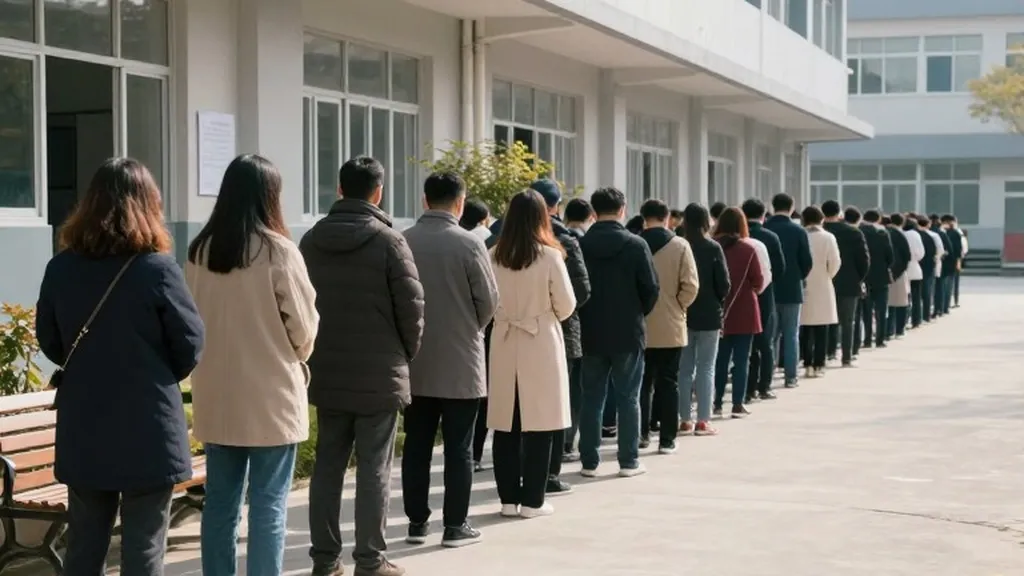
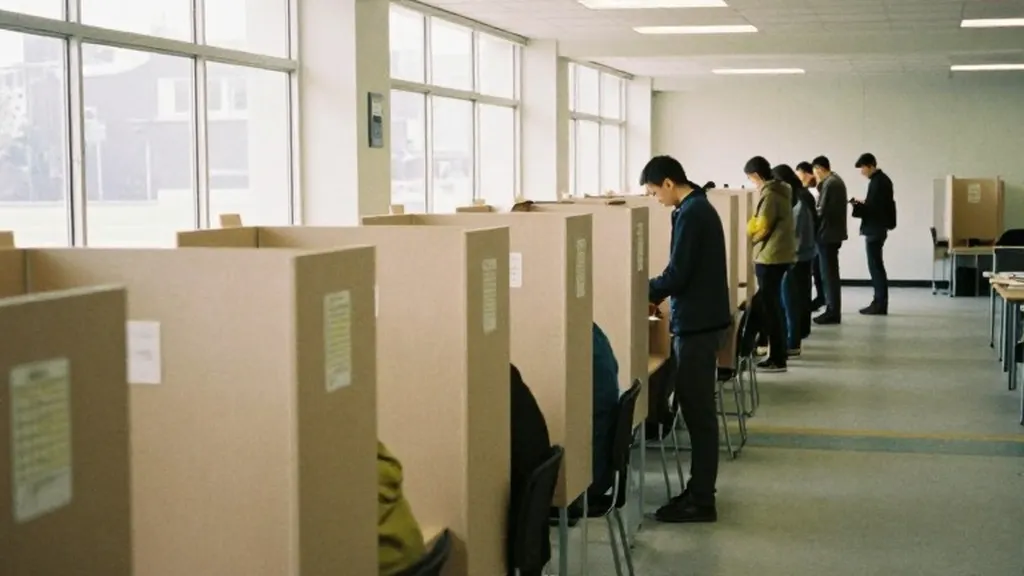
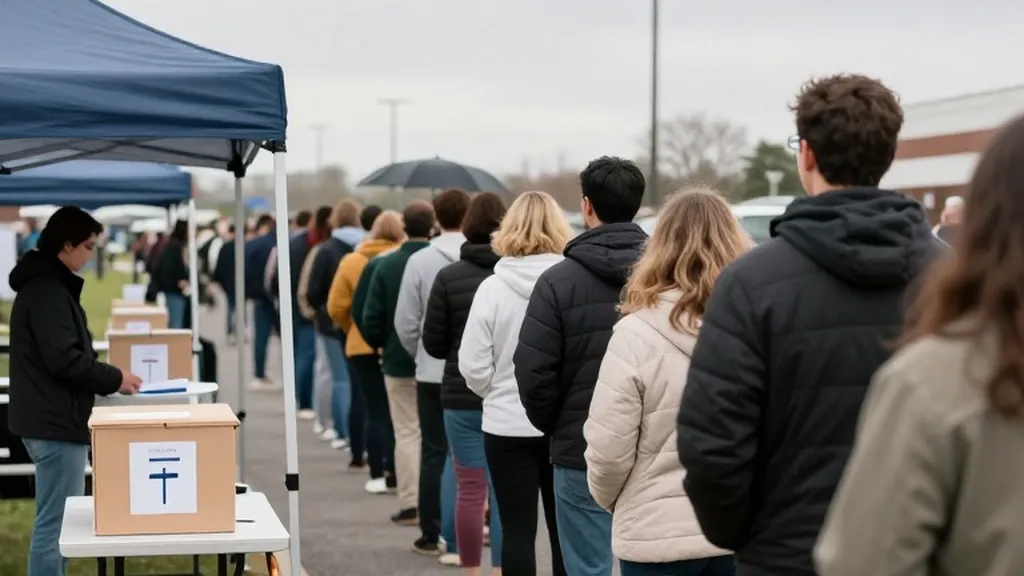
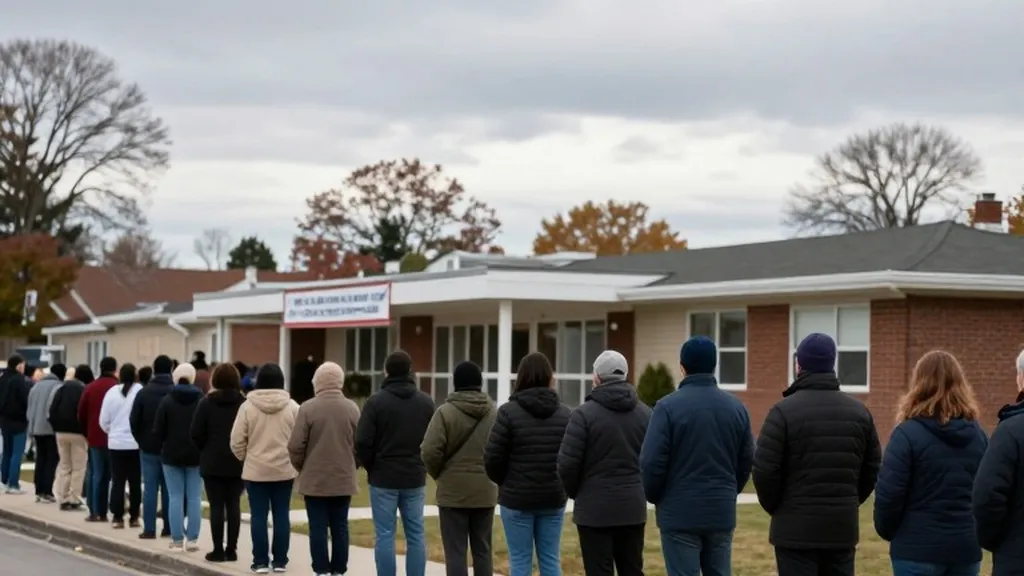
Polls have opened across the country on Tuesday, November 3, 2026, marking the start of the midterm election that will determine which party controls Congress for the final two years of President Donald Trump's second term. The Associated Press notes that more than 57 million people had already cast ballots as of Monday, a figure that surpasses the early vote totals from four years ago in many closely watched states. This high volume of early participation has shifted the focus of the day's coverage toward the ground game and the specific strategies each party is using to ensure their supporters show up at the polls.
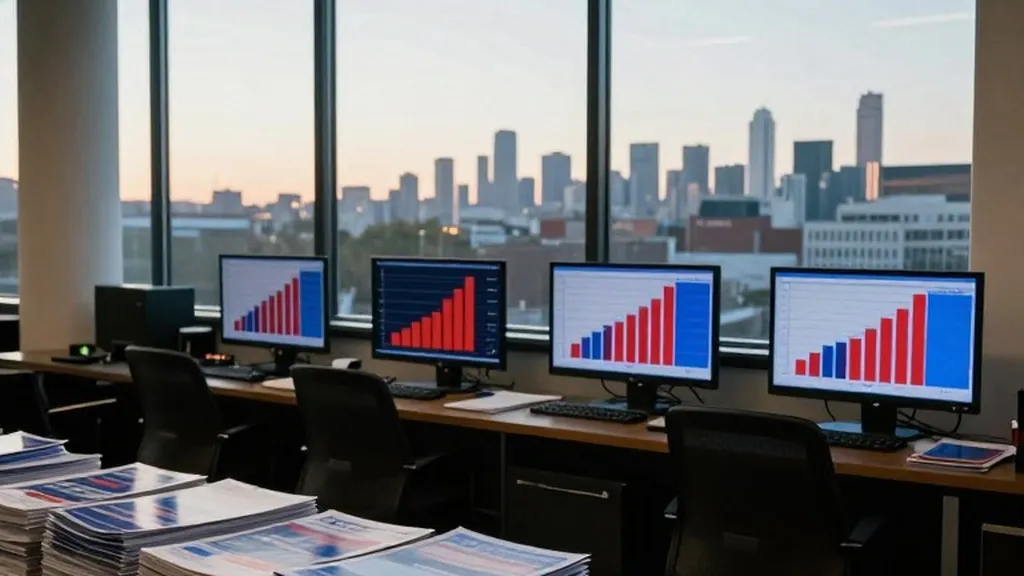
The stakes for the day are defined by narrow margins of control. Democrats currently hold 214 seats in the House and need a net gain of three districts to secure a majority, while Republicans hold 218 seats and can afford to lose no more than two. In the Senate, Democrats hold 45 seats and must gain four to take control, whereas Republicans hold 53 seats and can lose only two to maintain their majority. Ballotpedia identifies 46 battleground districts in the House and 13 competitive Senate races, creating a scenario where a single district or state could tip the balance of power in either chamber.
Republican National Committee Chairman Joe Gruters has framed the day's effort around a simple premise of mobilization. He stated, "Everything depends on turnout. If we turn out our voters, we win, and that's what we've been planning for." This strategy relies heavily on the high number of early votes already cast, which many Republican strategists view as a solid foundation for their base. The party's focus has been on holding the Senate, with many candidates bracing for the possibility of losing the House but fighting to keep their majority in the upper chamber.
Democrat Suzan DelBene, chair of the Democratic Congressional Campaign Committee, offers a contrasting perspective that emphasizes voter sentiment over pure logistics. She said, "The American people are angry. They want change." This message aligns with polling data center, which indicates that 35 percent of U.S. Adults approve of Trump's job performance and about seven in ten say the country is heading in the wrong direction. Democrats are described as cautiously optimistic, betting that economic concerns will drive moderate voters to the polls in greater numbers than in previous midterms.
The economic mood is a central driver of the turnout push. The election is a referendum on Trump's second term, with voters struggling with high prices and anger over an unpopular war with Iran. Many voters cite the cost of living as their primary concern, a theme echoed by a librarian in Raleigh, North Carolina, who noted that he is paying more for taxes, healthcare, and daily essentials. This financial pressure is expected to influence decisions in the 35 Senate races and 435 House districts on the ballot.
Money has played a significant role in shaping the day's dynamics, with the 2026 elections likely to be the most expensive in history. 88.1 percent of Republican general election TV ad spending went to states and districts that Trump won in 2024. This heavy investment in safe Republican districts suggests that the party is prioritizing defense of its base, while Democrats have focused their resources on competitive areas where small shifts in turnout could be decisive. The disparity in spending highlights the different strategic bets each side is making on where the election will be decided.
The ground game extends beyond television advertising to include physical mobilization efforts. In states like Michigan and Georgia, both parties have deployed volunteers to help with transportation and information. One or two seats could tip either chamber, making these close races the focal point of the day's operations. In Michigan, the open Senate seat is considered a toss-up or lean Democratic, while in Georgia, the race between Jon Ossoff and Mike Collins is leaning Democratic according to recent ratings. These states represent the kind of competitive environments where turnout differences can determine the final outcome.
Election administration has also been a point of contention leading up to the day. A federal judge temporarily barred the Trump administration from implementing a plan to prevent noncitizen voting, a move that critics argued could disenfranchise eligible voters. The U.S. Postal Service added staff and special lines to ensure mail ballots are counted on time, addressing concerns about delays in processing. These administrative steps are designed to smooth the process for the millions of voters who are casting their ballots in person today.
The day's events will also be watched by Wall Street, where results could add to investor concerns about AI spending and debt ceiling negotiations. The outcome of the midterms will have immediate implications for policy direction, particularly if Democrats win even one chamber, which would make investigations and possible impeachment proceedings more likely. House Democratic Leader Hakeem Jeffries, who would become the first Black speaker if his party takes the House, has outlined a 100-day agenda focused on the cost of living and oversight, signaling a shift in priorities if control changes hands.
As polls close in states like New York at 9 a.m. And in California at 8 p.m., the focus shifts to the final count. The high volume of early votes has reduced the uncertainty of the day, but the final margin in competitive districts remains the key variable. With Republicans bracing to lose the House and Democrats hoping to break the midterm pattern, the day's outcome will hinge on whether the projected turnout materializes in the battleground districts identified by Ballotpedia and other analysts.