Courts and ballots: legal fights shape Election Day voting rules
Federal rulings on noncitizen voting and mail ballot processing have altered the landscape for voters across key states.
By Harper Laurent ·
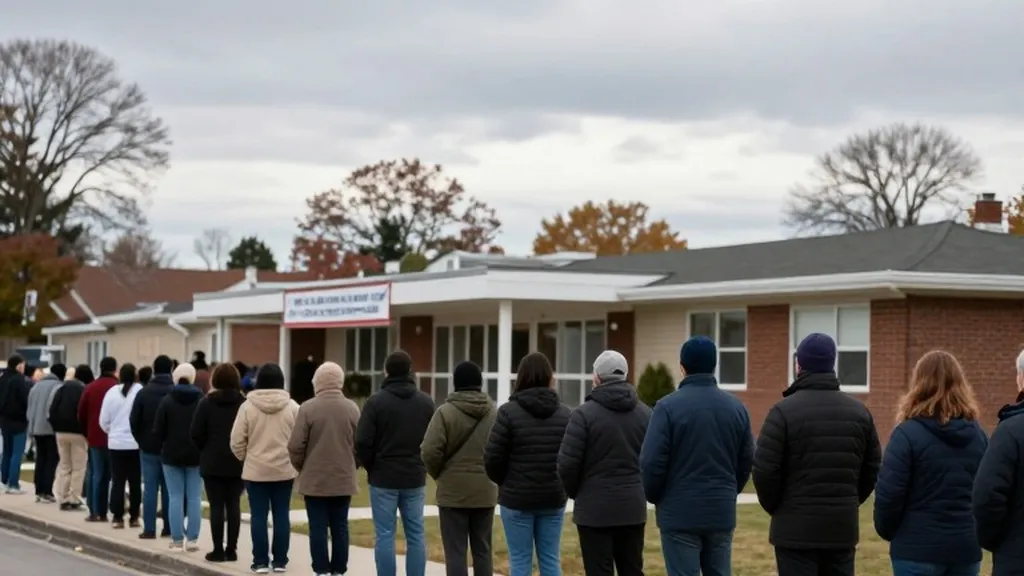
Election Day is arriving with a complex legal backdrop that has unsettled many voters and election officials. The central focus is on the rules governing who can vote and how ballots are processed. These legal developments have added a layer of tension to an already high-stakes midterm cycle. The courts are now deciding the mechanics of the vote in several critical jurisdictions.
A federal judge issued a temporary order on Monday that barred the Trump administration from implementing a specific plan. The administration stated that this plan was designed to prevent voting by noncitizens. Critics of the plan argued that it carried a risk of disenfranchising eligible voters. They also contended that the move infringed upon the traditional authority of states to manage their own elections. The ruling effectively paused this administrative action just as polls opened.
In California, a judge ordered the administration to stop demanding that local election officials segregate ballots. These were ballots cast by individuals who appeared on government lists of suspected noncitizens. The order required officials to treat these ballots like any others during the initial counting process. This ruling came amidst broader concerns about how mail-in ballots are handled in states that rely heavily on mail voting. It provides a temporary shield for these specific ballots from being set aside for later review.
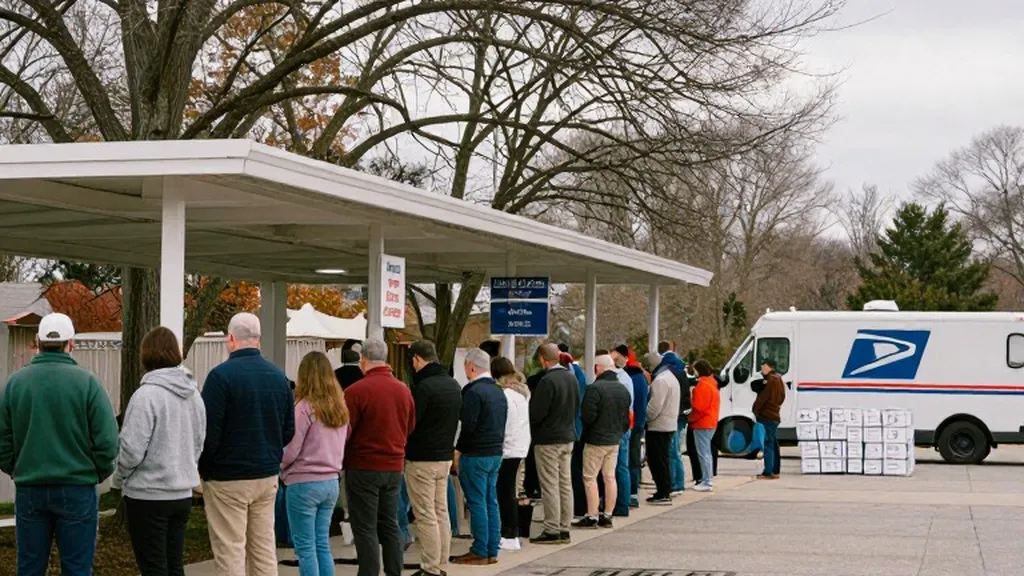
The U.S. Postal Service has taken active measures to ensure that mail ballots arrive on time. The agency added extra hours and staff to its operations. It also set up special lines dedicated to the processing of election mail. These steps are designed to mitigate the risk of delays in the delivery of ballots. The goal is to ensure that every eligible voter who mailed their ballot can have it counted in their state. This logistical push highlights the increasing reliance on the mail for this election.
Legal battles are not limited to the federal level. The Trump administration filed a lawsuit related to the certification of the Senate result in Alaska. This action has raised questions about the finality of the vote in that state. In California, the administration has also been involved in litigation concerning voting rules. Democrats have expressed concern that these lawsuits could lead to interference in the counting process. They fear that the threat of prosecution for local election officials could cause delays or errors.
The Justice Department has threatened to prosecute local election officials in some instances. This has led to fears among Democrats of intimidation at the local level. Republicans have defended the administration's actions as necessary to maintain the integrity of the vote. They argue that strict enforcement of voting laws is essential for public confidence. Both sides agree that the outcome of these legal challenges will have a significant impact on the final tallies.
Voters in several states are navigating these rules while casting their ballots. The changes in procedure mean that election workers are operating under new guidelines. In states like California and Alaska, the specific court orders have direct implications for how votes are tallied. The addition of Postal Service support is being felt in areas where mail voting is the primary method. These combined efforts aim to keep the process moving smoothly despite the legal uncertainty.
The mood among election officials is one of cautious attention. Many are monitoring the implementation of the new court orders. They are working to ensure that the technical requirements are met without confusing voters. The focus is on accuracy and speed. The legal landscape has forced a rapid adaptation in how some states handle their election night reporting. This is a significant shift from previous cycles where the rules were more settled.
The stakes of these legal fights are high. A delay in counting or a dispute over which ballots are valid could affect the outcome in close races. The noncitizen-voting issue has become a major point of contention. The rulings on these matters provide a framework for the next few days of counting. The courts have set the stage for how the votes will be processed and certified. This legal framework is now the primary lens through which the election is being viewed.
As voters head to the polls, they are aware of these background legal developments. The rules governing their ballots have been shaped by recent judicial decisions. The Postal Service has prepared for a heavy volume of mail. The courts have issued orders to pause certain administrative actions. These elements combine to create a unique voting environment for this Election Day. The final results will be determined within this specific legal and logistical context.