Voters Focus on Prices and Tariffs in High-Stakes Midterm
AP-NORC polling shows economic concerns driving turnout as Democrats and Republicans battle for control of Congress.
By Malik Salazar ·
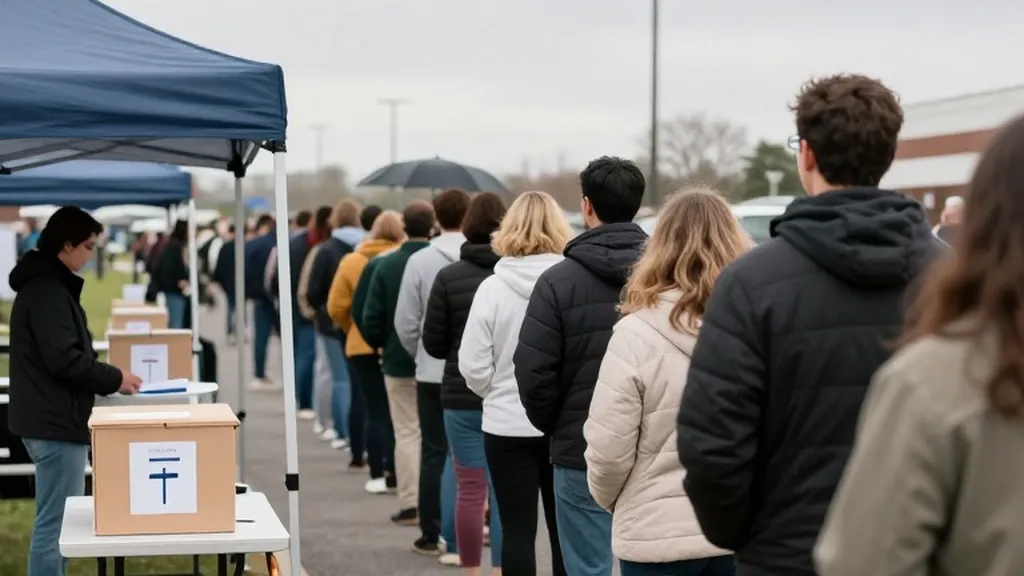
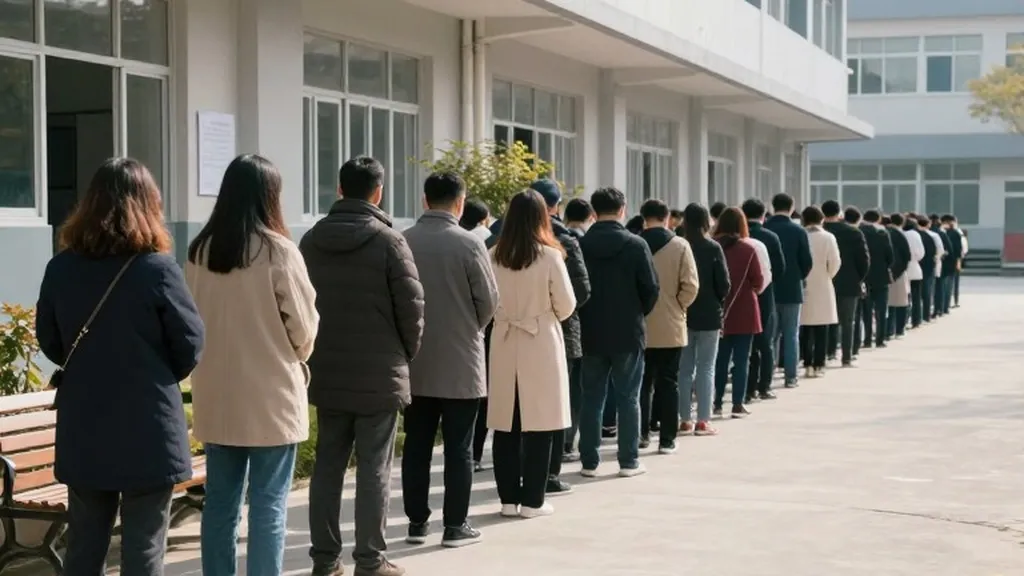
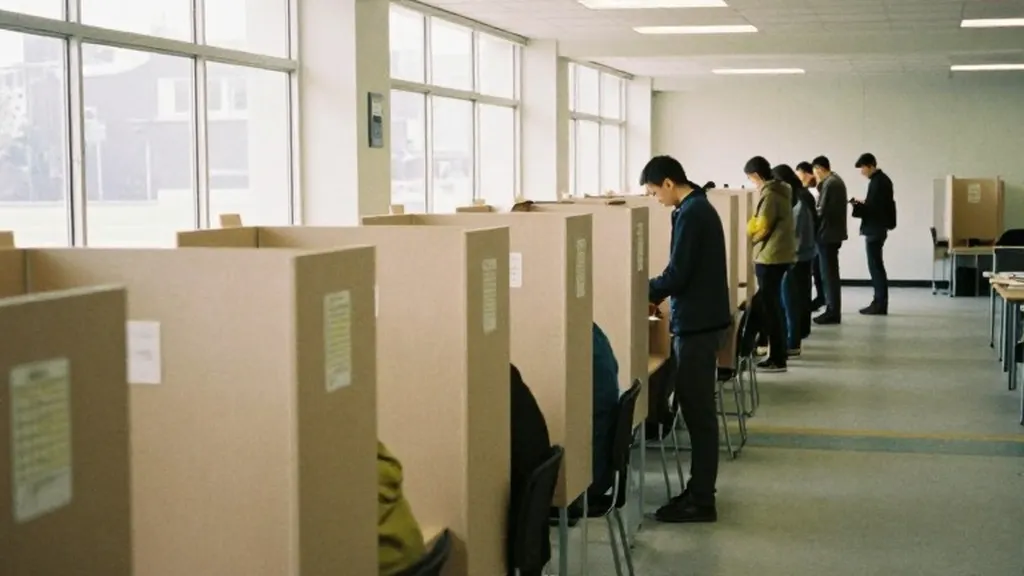
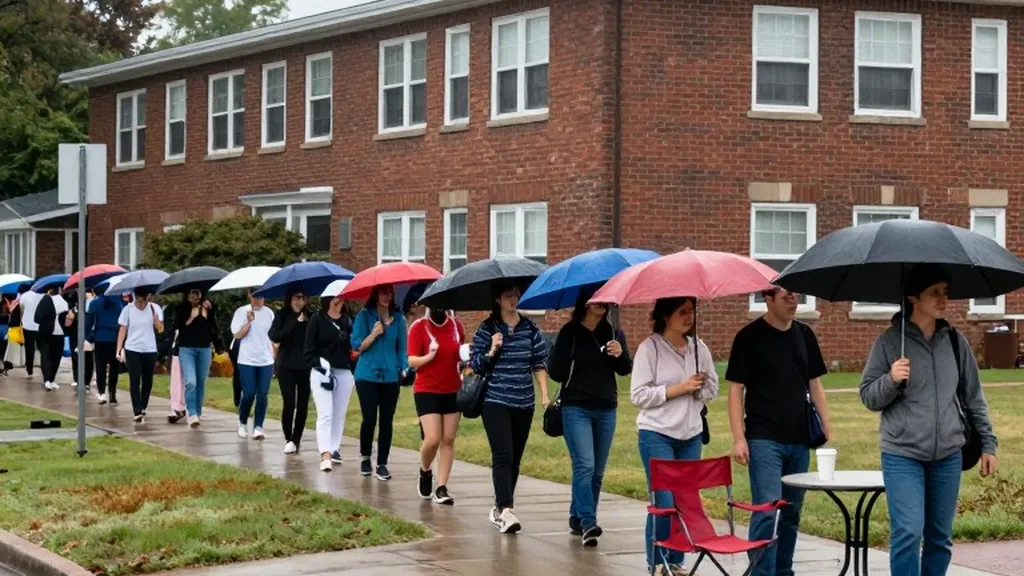
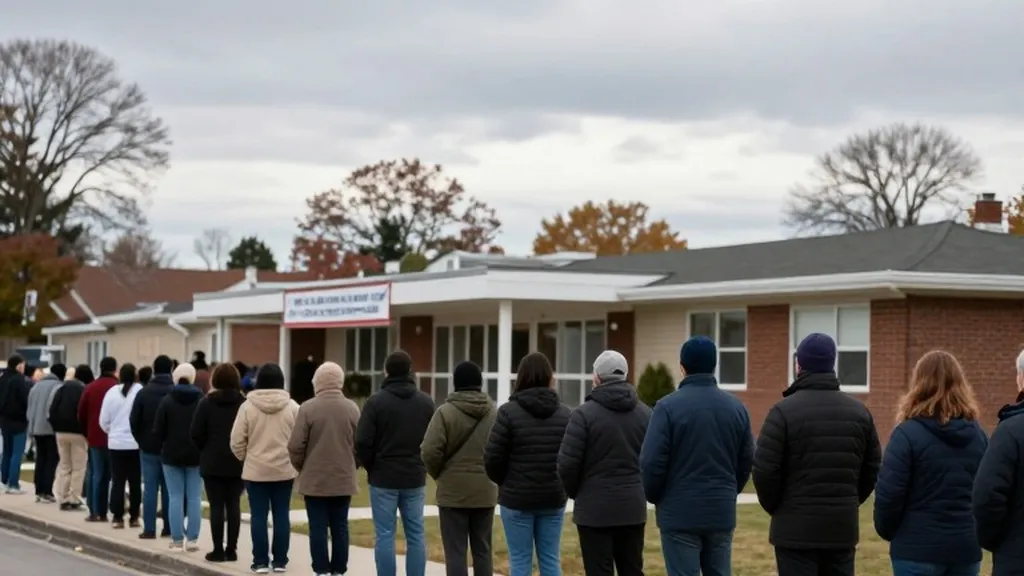
The atmosphere in polling places across the country is defined by a shared sense of economic anxiety. The Associated Press describes the election as a referendum on the second term of President Donald Trump, noting that voters are struggling with high prices and anger over an unpopular war with Iran. This sentiment is reflected in recent polling data that places the cost of living at the top of the list of voter concerns. The stakes are high as Americans decide who will control the House and Senate for the final two years of the current administration. With polls open, the results will determine the balance of power in Washington for the next two years.
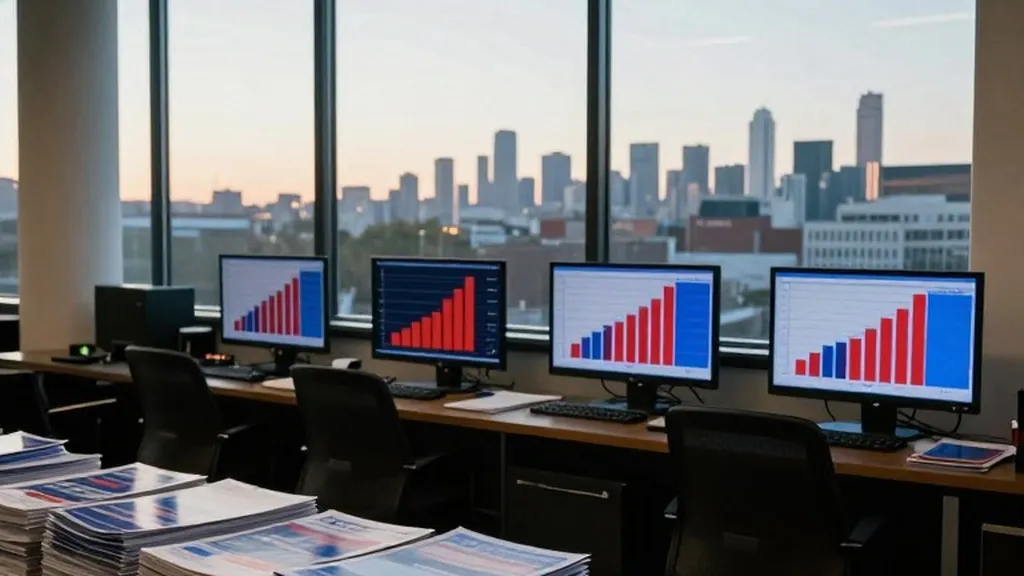
Only 35 percent of U.S. Adults approve of President Trump's job performance. Approval of his handling of the economy is even lower, standing at 25 percent. About seven in ten Americans say the country is heading in the wrong direction. Most of these voters blame the president for the high prices they are seeing at the grocery store and gas pump. This dissatisfaction has fueled a strong turnout, with more than 57 million people already casting ballots as of Monday. This number surpasses the early vote totals from four years ago in many closely watched states, signaling a high level of engagement among the electorate.
In Raleigh, North Carolina, the economic strain is a tangible reality for many residents. James Moore, a 57-year-old librarian, expressed his frustration while waiting to vote. He stated that he is paying more taxes, more for healthcare, and more for everything. His comments mirror the broader sentiment found in the AP-NORC data, which indicates that most voters blame the president for the rising cost of goods. Moore's experience highlights how personal financial pressures are shaping the political conversation in swing states where the Senate and governor races are particularly competitive.
Conversely, in Palm Beach Gardens, Florida, some voters see a different picture. Mark Barker, a voter in that community, expressed a more favorable view of the current leadership. He said he has been following the president's actions and believes he is doing an awesome job. Barker's perspective represents the segment of the electorate that remains loyal to the Republican agenda. The AP notes that while Democrats are cautiously optimistic, Republicans are bracing for potential losses in the House while fighting to hold the Senate. One or two seats could tip the balance in either chamber, making every vote count in these pivotal districts.
The issue of tariffs has also become a central point of contention, particularly in states like Maine. The Associated Press reports that economic strain and tariffs have made the Senate race in Maine competitive. Senator Susan Collins, a Republican, faces a challenge from Democratic former state Senate President Troy Jackson. Maine is rated as a toss-up by all four major race ratings. This shift in a traditionally conservative state underscores the impact of economic policy on voter behavior. Similar dynamics are at play in other battlegrounds, including Georgia, Michigan, and North Carolina, where the presidential margin in 2024 was narrow.
In North Carolina, the Senate race features Democratic former Governor Roy Cooper against former Republican National Committee chair Michael Whatley. The seat was opened by the retirement of Thom Tillis, who clashed with the president. The AP highlights that 21 districts held by Democrats voted for Trump in 2024, while nine Republican-held districts voted for Kamala Harris. This crossover appeal suggests that voters in these areas are willing to split their tickets based on the specific candidates and issues at hand. The new congressional maps in states like North Carolina and Texas will also play a role in determining the outcome of the House races.
Money has played a significant role in this election cycle, with the 2026 elections likely to be the most expensive in history. Republican committees have outraised and outspent Democratic committees, aided by Trump-affiliated groups and billionaire Elon Musk. However, at the candidate level, Democrats have managed to outraise their opponents. The AP analysis of AdImpact data shows that 88.1 percent of Republican general election TV ad spending went to states and districts that Trump won in 2024. This strategy reflects the Republican focus on defending their base while attempting to expand their majority in key swing states.
The administration has also been involved in legal battles regarding election administration. A federal judge temporarily barred the Trump administration from carrying out a plan to prevent noncitizen voting. Critics argue that this move risks disenfranchising eligible voters and infringes on state authority. The Justice Department has also threatened to prosecute local election officials, leading some Democrats to fear interference and intimidation. These legal maneuvers add another layer of complexity to an already contentious election, with both parties watching closely for any signs of procedural issues that could affect the final tally.
As voters head to the polls, the debate over the economy remains the primary driver of their decisions. RNC Chairman Joe Gruters emphasized the importance of turnout, stating that if Republicans turn out their voters, they will win. DCCC Chair Rep. Suzan DelBene countered by saying that the American people are angry and want change. This rhetoric captures the essence of the campaign, which has been less about party loyalty and more about the immediate impact of economic policy on daily life. The outcome will have significant implications for the 2028 cycle, potentially boosting the prospects of candidates like Gavin Newsom and JD Vance.