House Race Hinges on 46 Toss-Up Districts and New Maps in Seven States
With all 435 seats in play, Democrats need a net gain of three districts to retake the chamber, while Republicans can afford to lose only two.
By Malik Salazar ·
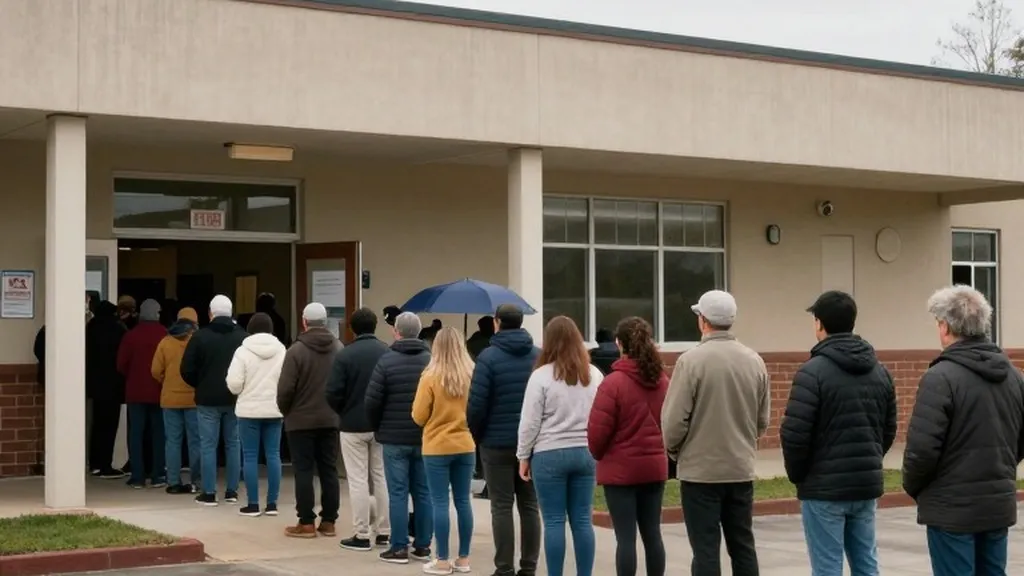
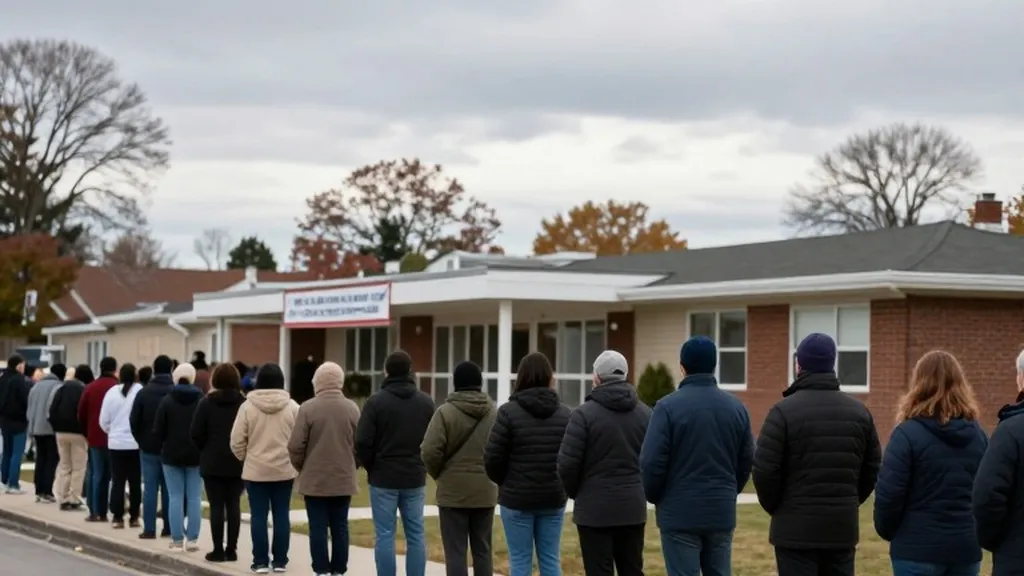
Voters across the United States are casting ballots on Tuesday, November 3, 2026, in a midterm election that will determine the balance of power in Congress for the final two years of President Donald Trump's second term. All 435 seats in the U.S. House of Representatives are up for grabs, creating a scenario where the margin of victory is extremely narrow. Republicans currently hold 218 seats, Democrats hold 214, and there is one independent seat. This configuration means that Democrats need a net gain of three districts to secure a majority, while Republicans can lose no more than two seats to maintain control.
The race is effectively decided in the battleground districts, with 46 seats currently considered competitive. Of these, 25 are currently held by Democrats and 21 by Republicans. The closeness of these contests is highlighted by recent voting patterns, where 21 Democratic-held districts voted for Trump in the 2024 presidential election, while nine Republican-held districts voted for Kamala Harris. These overlapping preferences suggest that party loyalty is less absolute than in previous cycles, making each of these 46 districts a critical flashpoint for the final count.
A significant factor in this year's House race is the implementation of new congressional maps in seven states. Following mid-decade redistricting, California, Florida, Missouri, North Carolina, Tennessee, Texas, and Ohio are all using updated district boundaries. Ballotpedia confirms that these new maps may alter the competitive landscape in ways that were not fully apparent during the primary seasons. In particular, the AP suggests that new districts in Florida and elsewhere may not vote as originally drawn, adding a layer of uncertainty to the final tallies as polls open.
Republican leadership is focused on turnout as the primary driver of their success. RNC Chairman Joe Gruters stated that everything depends on turning out voters, a strategy that has been the central pillar of their planning. In contrast, DCCC Chair Rep. Suzan DelBene argues that the American people are angry and want change, framing the election as a response to economic pressures. The AP describes the mood as one where voters are struggling with high prices and are angry over an unpopular war with Iran, with most blaming the president for the cost of living.
The Associated Press and PBS NewsHour highlight that one or two seats could tip the balance in the House, making the margin of victory potentially the smallest in modern history. Democrats are described as cautiously optimistic, while Republicans are bracing for the possibility of losing the chamber. This tight race has led to intense campaigning in the 46 battleground districts, where candidates are focusing on local issues and national sentiment in equal measure.
The election also serves as a referendum on the president's performance, with AP-NORC polling indicating that 35 percent of U.S. Adults approve of Trump's job performance. Approximately seven in 10 voters say the country is heading in the wrong direction. Despite this, more than 57 million people had already voted as of Monday, surpassing early voting totals from four years ago in many closely watched states. This high level of early participation suggests that the final outcome will be determined by the remaining voters who head to the polls on Election Day.
Money has played a significant role in shaping the race, with the 2026 elections likely to be the most expensive in history. AP analysis of AdImpact data shows that 88.1 percent of Republican general election TV ad spending went to states and districts that Trump won in 2024, including more than $850 million in areas where he won by 10 points or more. At the candidate level, however, Democrats outraised their opponents, indicating a different dynamic in direct competition. This disparity in spending strategies reflects the broader tactical differences between the two parties.
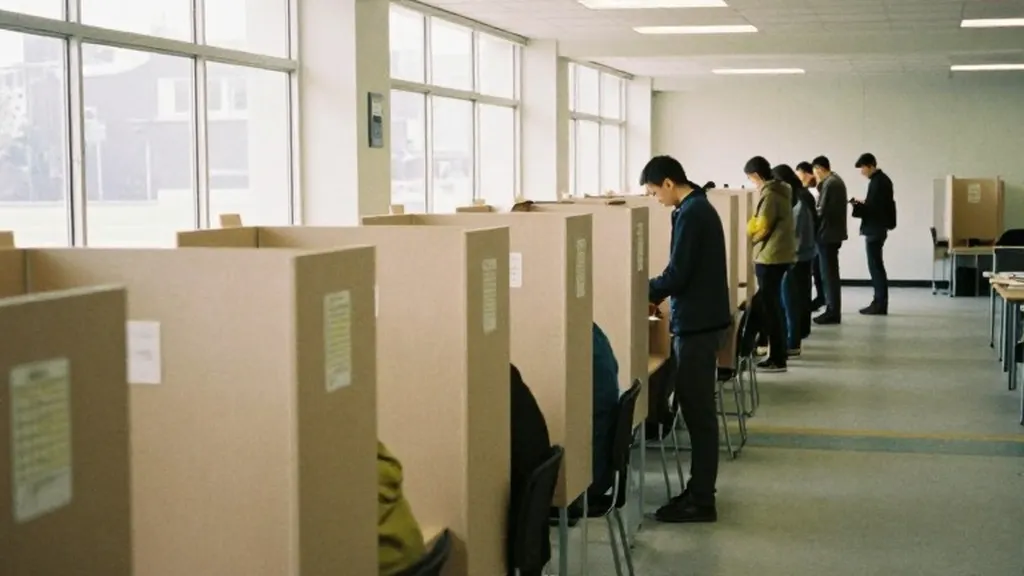
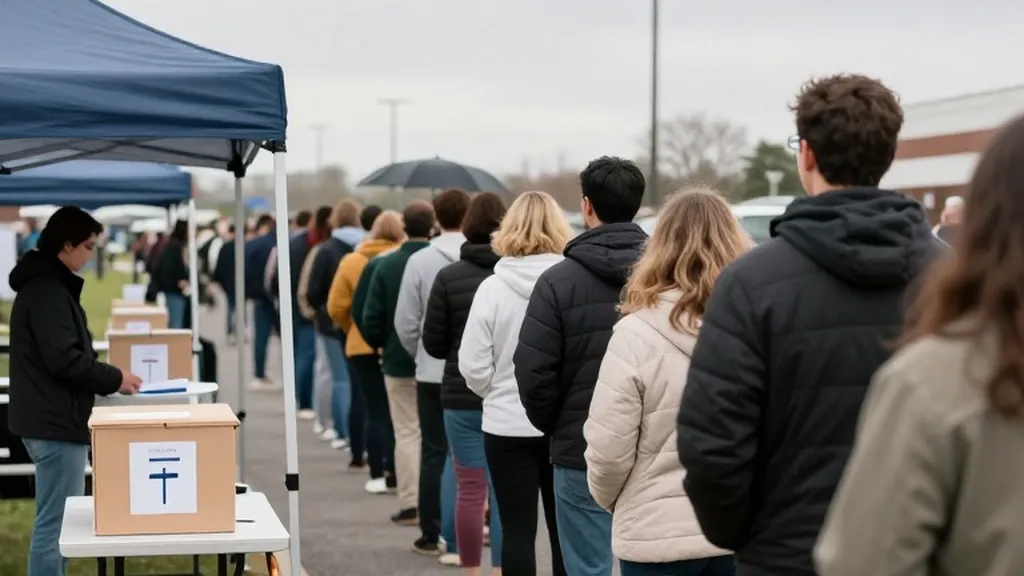
Voters are casting ballots in a variety of ways, with poll hours varying by state. For example, polls in Alabama are open from 7 a.m. To 7 p.m., while in California, which votes largely by mail, polls are open from 7 a.m. To 8 p.m. The U.S. Postal Service has added hours and staff to ensure that mail ballots are counted on time, a critical step in a year where early and mail-in voting played a major role. The AP notes that anyone in line when polls close is entitled to vote, a rule that is being closely monitored in tight races.
The outcome of the House race will have immediate implications for the legislative agenda in the final two years of the Trump administration. If Democrats win even one chamber, investigations and possible impeachment proceedings become likely. House Democratic Leader Hakeem Jeffries, who would be the first Black speaker if his party wins, has outlined a 100-day agenda focused on the cost of living and oversight. Republicans, on the other hand, are hoping to break the historical midterm pattern of losing seats, a goal that has been complicated by the new redistricting maps and the intense competition in the battleground districts.
As polls open across the country, the focus remains on the 46 battleground districts that will determine the fate of the House. The new maps in seven states add an additional layer of complexity to the race, with experts and voters alike watching to see how these changes will affect the final results. The election is being closely watched not only for its impact on Congress but also for its potential effects on the 2028 presidential race, where a strong Democratic performance could boost candidates like Gavin Newsom and Pete Buttigieg.