Economy tops 2026 midterm ballot as Democrats capture Congress
AP-NORC data shows prices and tariffs drove voter choice, with decisive wins in North Carolina and Florida reshaping the political landscape.
By Sarah Montgomery ·

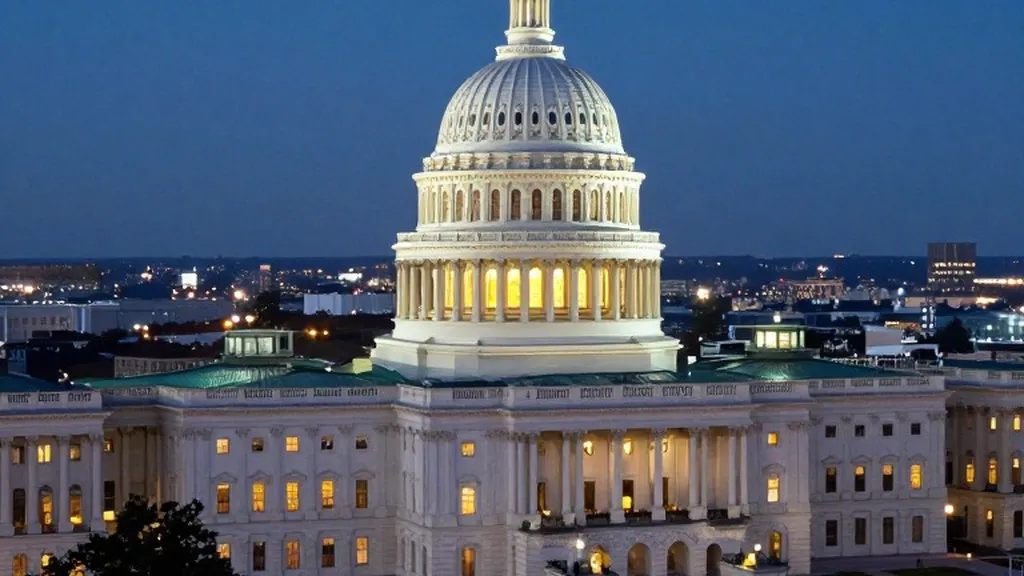
The 2026 midterm elections have concluded with a decisive shift in power, as Democrats secured majorities in both chambers of Congress. According to Ballotpedia, Democrats picked up at least 43 House seats and seven Senate seats, all previously held by Republicans. This outcome establishes a 250-157 majority in the House and a 54-44 majority in the Senate. The scale of the Republican loss places this election in the top 20% of years for seat swings against a president's party, a threshold often defined as a wave election.
The primary driver of this shift was the state of the economy, specifically consumer prices and the impact of new tariffs. The AP-NORC survey of approximately 100,000 midterm voters identified the economy as the top issue for those casting ballots. Voters in both parties expressed dissatisfaction with the cost of living, creating a bipartisan pressure that ultimately favored the opposition party. This focus on daily financial stability overshadowed many other traditional policy debates during the campaign.
In North Carolina, the economic narrative played out with particular intensity in the Raleigh area. The region, a hub for technology and government jobs, saw significant movement in state legislative races. Voters there cited the ripple effects of federal trade policies on local businesses and household budgets. The loss of Republican control in several key districts around the capital reflected a broader trend where urban and suburban voters prioritized economic relief over ideological purity.
Palm Beach, Florida, provided another critical data point in the national conversation. As a major retirement and tourism center, the area was highly sensitive to interest rates and inflation. The AP-NORC data indicated that voters in Palm Beach were among the most likely to cite prices as their deciding factor. The results in this district mirrored the national trend, with Democrats gaining ground in races where incumbents had been perceived as out of touch with the financial realities of the average resident.
The election results also marked a significant change in state-level power. Democrats won a majority of governorships for the first time since before the 2010 elections. Specifically, five states changed party control in their gubernatorial offices, all moving from Republican to Democratic leadership. In California, Xavier Becerra became the state's first elected Latino governor, continuing a streak of five consecutive Catholic governors. His victory was bolstered by support from Catholic voters, particularly Latinos, who aligned with his economic and social platforms.
The shift in Congress will likely lead to increased oversight of the executive branch, particularly regarding the war in Iran and its economic impact. Defense Secretary Pete Hegseth faced an impeachment threat following the election, a move linked to the public's frustration with the conflict's cost. The new Democratic majority in the House is expected to scrutinize the administration's handling of military operations and their effect on global oil prices, which had risen due to disruptions in the Strait of Hormuz.
President Donald Trump, who remains in office for the next two years, must now navigate a Congress where his party holds the minority. The election results suggest that the American voter is currently prioritizing immediate economic benefits over long-term strategic goals. The new leadership in both the House and Senate has signaled intentions to use appropriations and oversight to check executive power, particularly in areas like education and trade policy.
The role of faith communities in this election was notable, particularly in the West. In California, the election of Becerra highlighted the complex relationship between Catholic voters and progressive politics. Despite the Church's official teachings on various social issues, Catholic voters demonstrated a diverse range of political preferences. This diversity was a key factor in the Democratic success in the state, where the religious makeup of the electorate is one of the largest in the nation.
The economic focus of the 2026 election underscores a broader trend in American politics where tangible financial outcomes drive voter behavior. The tariffs implemented by the administration were a central point of contention, with many voters feeling the pinch through higher costs on imported goods. This sentiment was consistent across the country, from the tech hubs of North Carolina to the retirement communities of Florida.
With the results now settled, the new Congress is set to take office with a mandate to address economic concerns. The bipartisan nature of the economic dissatisfaction suggests that future legislative efforts may need to appeal to both parties to achieve stability. The coming months will test whether the new leadership can deliver the economic relief that voters demanded in this decisive midterm election.