New Maps in Seven States May Not Match 2026 Election Results
Redistricting changes in key states face scrutiny as Democrats win majorities in both chambers, raising questions about whether the new lines reflect the current political landscape.
By Sarah Montgomery ·
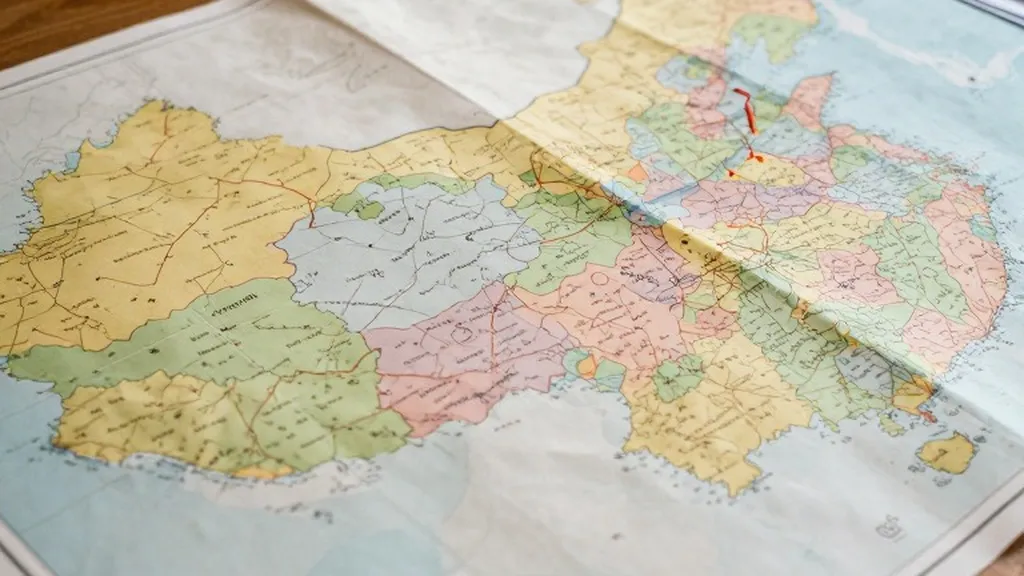
The midterm elections of November 3, 2026, resulted in significant shifts in congressional power, with Democrats securing majorities in both the U.S. House and the Senate. As of 4:00 PM ET on November 6, Democrats hold at least a 250 to 157 majority in the House and a 54 to 44 majority in the Senate. This outcome follows a net loss of at least seven Senate seats for Republicans and a net loss of 42 House seats, a swing that places the election in the top 20% of years for seat changes against a president’s party. The new congressional maps in California, Florida, Missouri, North Carolina, Tennessee, Texas, and Ohio are now the focus of intense analysis regarding how these lines will function in the next legislative cycle.
The redistricting process in these seven states has created boundaries that many observers argue do not fully align with the current voting patterns revealed by the 2026 results. In states like Texas and Florida, the new maps were drawn with specific partisan goals in mind, yet the election results suggest a different political reality on the ground. The discrepancy between the drawn lines and the actual vote distribution has led to debates about the effectiveness of the new districts in representing the electorate’s will.
In California, the map changes have been particularly scrutinized due to the state’s large population and the complexity of its district boundaries. The new lines in the state aim to create more competitive races, but the 2026 results indicate that some districts remain solidly one party or the other. This has raised questions about whether the redistricting effort succeeded in its goal of increasing competition or if it merely shifted the geographic locations of safe seats.
Florida’s new congressional map has also come under scrutiny, with critics arguing that certain districts were drawn to favor one party over the other. The election results in the state showed a mix of outcomes, with some districts flipping from their previous holders and others remaining unchanged. This pattern suggests that the new lines may not have fully captured the shifts in voter preferences that occurred during the 2026 cycle.
Missouri and North Carolina present different challenges for the new maps. In Missouri, the rural-urban divide remains a significant factor in determining election outcomes, and the new districts reflect this geographic split. In North Carolina, the map changes have been influenced by the state’s growing suburban population, which has become a key demographic in recent elections. The 2026 results in these states highlight the importance of understanding how local demographics influence voting behavior.
Tennessee and Ohio offer additional insights into the dynamics of the new congressional maps. In Tennessee, the new lines have been designed to balance the state’s urban and rural areas, but the election results show that this balance may not translate directly into competitive races. In Ohio, the map changes have been influenced by the state’s industrial legacy and its shifting economic landscape, with some districts now reflecting a more mixed political environment.
The implications of these new maps for the next congressional session are significant. With Democrats holding majorities in both chambers, the new lines may play a crucial role in shaping legislative priorities and committee assignments. The ability of the new Congress to pass legislation will depend in part on how well the new districts align with the political realities of the 2026 election results.
The debate over the new maps is also tied to broader questions about the fairness of the redistricting process. Critics argue that the lines in some states were drawn with partisan intent, while supporters contend that the new maps reflect the current demographic and political landscape. The 2026 election results provide a tangible measure of how these lines performed in practice, offering a basis for future adjustments and discussions.
As the new Congress prepares to convene, the focus will be on how the new maps in these seven states influence the legislative process. The ability of lawmakers to work across party lines will be tested in districts where the new lines have created more competitive environments. The 2026 results suggest that while the maps have shifted the political landscape, they have not fully resolved the tensions between the parties.
The new congressional maps in California, Florida, Missouri, North Carolina, Tennessee, Texas, and Ohio will continue to be a central topic in political discussions as the next session begins. The 2026 election results provide a clear indication of how these lines performed, and they will serve as a benchmark for evaluating the success of the redistricting process in the years to come.