Democrats seize control of Congress with historic midterm sweep
The party of the opposition has taken majorities in both chambers of the U.S. government, setting the stage for a new era of oversight and legislative power.
By Harper Laurent ·
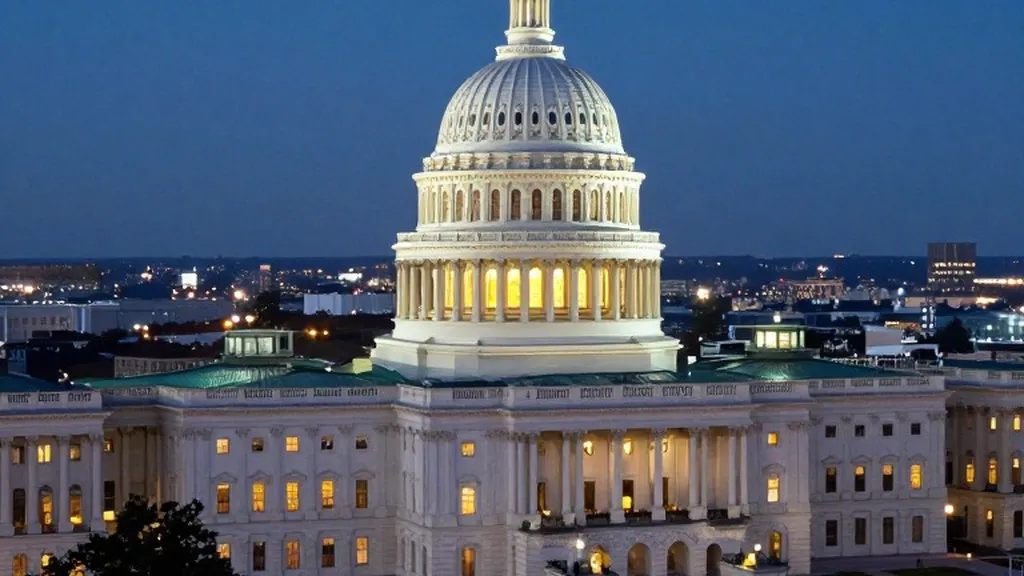
The political landscape of the United States shifted decisively on Tuesday, November 3, 2026, as Democrats captured control of both the U.S. House of Representatives and the Senate. This outcome marks the first time the party has held majorities in both chambers since before the 2010 elections. The results, compiled by Ballotpedia and last updated at 4:00 PM ET on November 6, indicate that Democrats won at least 43 House seats. Of these, 42 were previously held by Republicans and one was held by an independent. In the Senate, Democrats secured seven seats, all of which had been held by Republicans prior to the election.
With these gains, Democrats will command a majority of at least 250 to 157 in the House of Representatives. In the Senate, the party will hold a majority of at least 54 to 44. This level of control allows the new majority to set the legislative agenda, confirm presidential nominees, and conduct oversight of the executive branch. The scale of the shift is significant, with Republicans suffering a net loss of at least seven U.S. Senate seats. According to historical data, this loss places the 2026 election in the top 20% of election years in terms of seat swings against a sitting president’s party. This threshold is often defined as a wave election, signaling a strong voter mandate for change.
The performance in the House of Representatives, while substantial, falls just short of the specific criteria for a wave election in that chamber. Republicans lost a net of 42 seats in the House, a figure that is close to but does not meet the 48-seat loss required to qualify as a wave. However, analysts note that uncalled races could still alter these totals. The current majority provides Democrats with a strong hand in the lower chamber, allowing them to push forward with a comprehensive legislative platform that has been shaped by the priorities of their base and the needs of the nation.
Beyond the federal level, the election results reveal a broader trend in state politics. Democrats won a plurality of state government trifectas and state legislative chambers. They also secured a majority of governorships across the country. This trifecta control, where one party holds the governorship and both legislative chambers, is a significant strategic advantage. It allows state Democratic leaders to implement policy changes with greater ease, as they face fewer internal obstacles within their respective states. The election results suggest that voters are aligning with the party of the opposition at multiple levels of government, reflecting a coordinated effort to shift the balance of power.
The implications of this electoral victory are immediate for the new congressional leadership. Democrats will now take the helm of key committees, including those with oversight powers over federal agencies. Rep. Bobby Scott of Virginia, the top Democrat on the House Committee on Education and the Workforce, has already indicated plans to use these powers to investigate the Trump administration’s dismantling of the U.S. Education Department. Scott stated he intends to leave no rock unturned, utilizing subpoenas and hearings to review federal student loan oversight and anti-discrimination policies. This proactive approach signals that the new majority is prepared to scrutinize executive actions that have been controversial among their constituents.
In the Senate, Democratic leaders are also preparing to utilize their new majority to influence the budgeting process. Sen. Chris Van Hollen of Maryland, a member of the Appropriations Committee, noted that there will be an interest in using the power of the purse to establish guard rails against what he described as abusive practices. Van Hollen explained that while it may be difficult to reverse past decisions solely through appropriations bills, the committee aims to prevent further damage and seek to reverse the harm already done. This strategy involves adding conditions to spending bills that could rein in the executive branch’s education agenda, including its efforts to reshape higher education funding.
The shift in power also affects the dynamic between Congress and the White House. With Democrats in control of both chambers, President Trump faces a more challenging legislative environment. He has pledged to veto bills he sees as harmful to his agenda, but the new majority has the numbers to override vetoes if they choose to pursue specific legislation. This potential for conflict is expected to define the early days of the new Congress. However, the immediate focus for many Democrats is on oversight and accountability, using their investigative tools to uncover how decisions were made in the executive branch over the past two years.
The election results also highlight the diversity of the Democratic coalition that delivered this victory. The party’s gains were not limited to traditional urban strongholds but included significant support from suburban and rural voters. This broad base of support provides the new majority with a mandate to address a wide range of issues, from healthcare and education to foreign policy and economic growth. The party’s ability to unify its diverse constituencies will be tested as it moves to implement its legislative priorities in the coming months.
As the new Congress convenes, the focus will turn to the practicalities of governing with a new majority. Democrats will need to build consensus within their own party on key issues, such as the extent of their oversight investigations and the specific legislation they will prioritize. The party’s leadership has emphasized the importance of working together to achieve tangible results for voters. This emphasis on unity and action is expected to guide the party’s approach to the challenges it faces in the new Congress.