White House Pushes Energy Dividend Mandate
President Trump proposes requiring AI data centers to share excess power and financial benefits with local residents to reduce community backlash.
By Sarah Montgomery ·
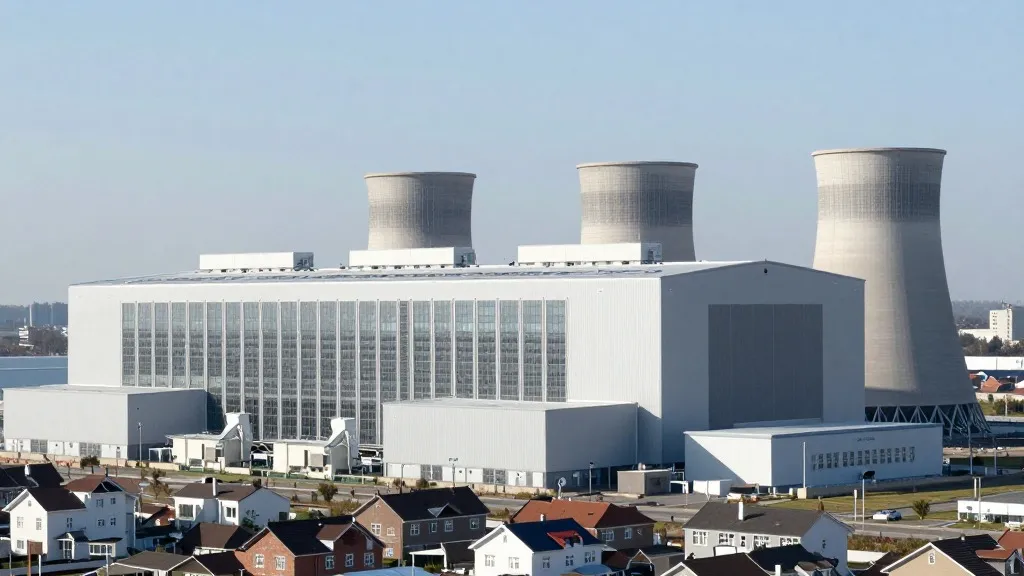
President Donald Trump has directed AI hyperscalers and data center developers to provide financial and energy benefits to the local communities where they operate. In a statement published on Truth Social on Tuesday, the President outlined a plan that would require these facilities to generate their own electricity and subsequently return excess power to the grid. This move is designed to lower local utility rates or at least prevent them from rising, aiming to make large-scale AI infrastructure more acceptable to nearby residents.
The directive addresses growing tensions between major tech companies and small towns across the United States. Many communities have voiced opposition to new data center projects due to significant environmental and economic impacts. Residents frequently cite concerns regarding increased noise levels, water usage, air quality, and deforestation. A primary grievance has been the surge in local electricity costs, which often results from the immense power demands of these facilities.
To mitigate these complaints, the Trump Administration is seeking to balance its goal of outpacing China in the artificial intelligence race with local political favor. By mandating that companies contribute to local energy supplies, the administration hopes to secure support for new construction. The proposed mechanism involves data centers using their self-generated power to offset the costs of grid upgrades, a requirement recently codified in law to ensure these expenses do not fall on local taxpayers.
The President emphasized the strategic value of these arrangements, noting that data centers which were once unpopular have gained significant support once financial agreements were reached. He urged industry leaders to finalize these deals to accelerate construction timelines, arguing that a reciprocal relationship between technology firms and localities is essential for progress. The administration views this energy sharing as a direct solution to the pain points affecting households in the vicinity of new builds.
Despite the political intent, questions remain regarding the practical implementation of this mandate. Critics note that the term 'dividend' is unusual in this context, as it typically implies a company is profitable, whereas many new data center projects are still in the capital-intensive phase of construction. Furthermore, the short-term energy solutions often rely on gas-powered generators, which can introduce their own set of environmental challenges for nearby residents.
While the financial and energy aspects are being addressed, other major hurdles persist. Issues such as high water consumption and ecological damage remain significant factors that make data centers a difficult sell in many areas. It is currently unclear whether the proposed energy dividends will be sufficient to overcome these broader environmental and logistical concerns, or if they will serve primarily as a symbolic gesture to facilitate smoother project approvals.
The proposal represents a shift in how federal policy engages with the energy requirements of the AI sector. By linking infrastructure approval to local benefit, the administration is attempting to create a structured framework for integration. However, the success of this approach will depend on how strictly the mandates are enforced and whether the financial incentives provided are substantial enough to change the perception of these facilities in affected communities.