Economy Tops Voter Concerns as Democrats Take Both Chambers
AP-NORC data shows prices drove the 2026 midterm vote, leading to a historic Democratic sweep of Congress and key state offices.
By Malik Salazar ·

Voters across the United States turned to the economy and the cost of living as the primary drivers of their choices in the midterm elections held on Tuesday, November 3, 2026. A national survey conducted by the Associated Press and NORC at the University of Chicago indicated that prices and economic conditions were the top issues for a significant portion of the electorate. This focus on financial stability provided a clear mandate for change, as the results showed a decisive shift in power at the federal level.
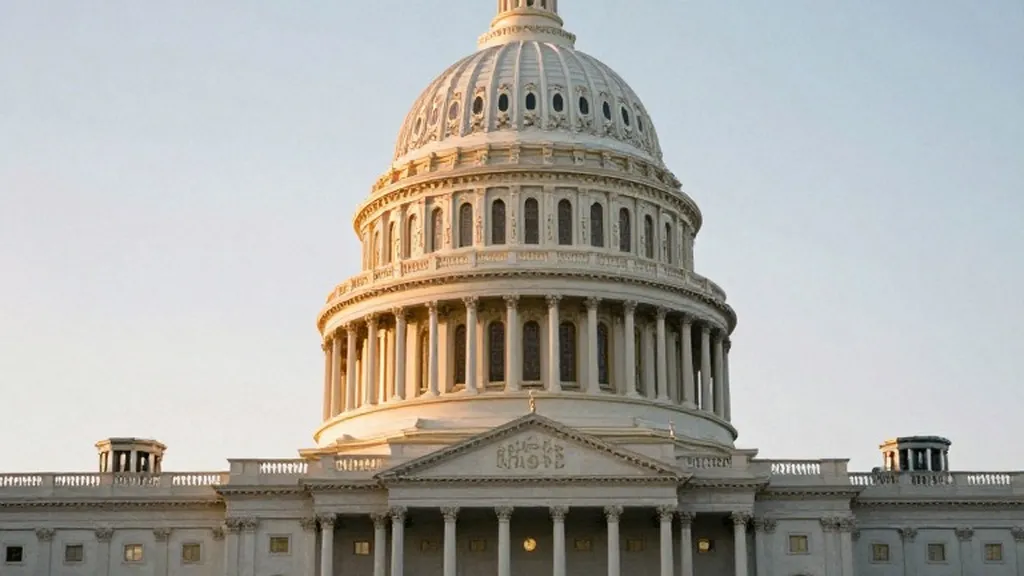
The Democratic Party secured majorities in both chambers of Congress, marking a significant reversal in partisan control. Democrats gained at least 43 seats in the U.S. House of Representatives, picking up 42 seats previously held by Republicans and one seat previously held by an independent. In the U.S. Senate, the party captured seven seats, all of which had been held by Republicans. These victories placed Democrats in a position to control legislative agendas and oversee executive branch agencies with greater authority.
In the U.S. House, Democrats achieved a majority of at least 250 seats to the Republican 157, according to results reported as of 4:00 PM ET on November 6, 2026. This margin of control allows the party to pass legislation and conduct oversight with minimal obstruction from the minority party. The net loss of at least 42 seats for the Republican Party represents a substantial shift in the balance of power within the legislative branch.
The Senate results also favored the Democrats, who now hold a majority of at least 54 seats to the Republican 44. This outcome ensures that the Democratic Party can confirm judicial nominees and advance its legislative priorities in the upper chamber. The net gain of seven Senate seats for the Democrats contributed to a broader trend of partisan realignment in the 2026 midterm elections.
President Donald Trump acknowledged the economic concerns that influenced the election outcome in his first major interview following the results. Speaking on a CBS broadcast, he stated that he believed his administration's deportation policy might have been too tough for the average voter. He suggested that the focus on immigration enforcement may have overshadowed other economic messages, contributing to the Republican losses in key districts.
Trump indicated a willingness to work with the new Democratic majority in Congress to reach an agreement on immigration. He described a potential deal where individuals who are working and paying taxes could remain in the country, while those with criminal records would be deported. However, he named Stephen Miller, the architect of the administration's hardline immigration agenda, as his new chief of staff, a move that drew criticism from Senate Democratic Leader Chuck Schumer.
Schumer characterized the appointment as a promotion rather than a course correction, arguing that placing the key figure behind the controversial policy in charge of the White House signaled a continued commitment to the existing strategy. Despite the criticism, Trump maintained that he could find common ground with the new congressional leadership to address the concerns of voters who prioritized economic stability over other issues.
The election results also reflected a broader dissatisfaction with the current administration's approach to governance. About half of voters nationally said government corruption was crucial for their vote for Congress, according to the AP Voter Poll. This sentiment aligned with the economic concerns, as many voters viewed financial transparency and stability as interconnected issues that required legislative attention.
Democrats won a plurality of state government trifectas and a majority of governorships for the first time since before the 2010 elections. In 44 of the 46 states where trifecta offices were on the ballot, 20 resulted in Democratic trifectas, 16 in Republican trifectas, and 8 in divided governments. This shift in state-level control provides the Democratic Party with additional leverage in shaping national policy and overseeing federal agencies at the state level.
The Republican Party's net loss of at least seven Senate seats placed the 2026 elections in the top 20% of election years in terms of seat swings against a president's party, a threshold often defined as a wave election. While the U.S. House did not quite reach the same threshold for a wave, the overall trend indicated a strong preference for the opposition party among voters. This outcome sets the stage for a period of heightened political polarization and legislative conflict in the coming years.
Voters in states such as North Carolina and Florida played a significant role in determining the final outcomes, with results in these key battlegrounds contributing to the overall shift in power. The focus on prices and the economy remained a central theme in post-election analysis, with both parties acknowledging the need to address the financial concerns of the American public. The results of the 2026 midterm elections underscore the importance of economic issues in shaping voter behavior and determining the direction of national policy.