Iran War Drives Midterm Shift as Democrats Take Control of Congress
Voters punished Republicans over the conflict, giving Democrats majorities in both chambers and new leverage to check the White House.
By Harper Laurent ·
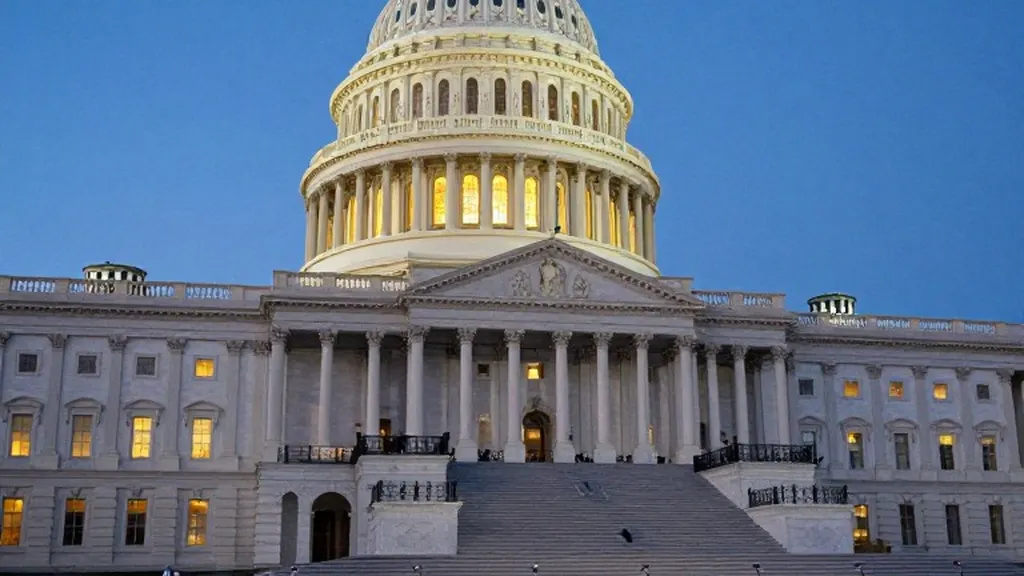
The war with Iran emerged as a decisive factor in the 2026 midterm elections, contributing to a significant shift in power that placed Democrats in control of both the U.S. House of Representatives and the U.S. Senate. According to final tallies, Democrats won at least 250 House seats and 54 Senate seats, marking one of the largest seat swings against a president's party in recent history. This outcome reflects a broad voter dissatisfaction with the administration's handling of the conflict, which was cited alongside rising costs and concerns about government corruption as a primary driver of the election results.
President Donald Trump had framed the midterm elections as a referendum on his second term, urging voters to treat him as if he were on the ballot. Despite this effort, the Republican Party suffered a net loss of at least seven Senate seats and 42 House seats. The Associated Press Voter Poll indicated that while the economy and corruption were top concerns, the war in Iran remained a critical issue for many voters. This sentiment was particularly pronounced in battleground states where the conflict's economic and strategic implications were keenly felt.
Democratic leaders immediately signaled their intent to use their new majorities to assert checks on the executive branch. Rep. Robert Garcia, who is poised to chair the House Oversight Committee, declared that the days of Democrats not fighting back were over. He described the administration as a "Trump crime family" and promised aggressive investigations into the executive branch. Democratic House leader Hakeem Jeffries also emphasized the constitutional role of Congress, stating that those who have "shortchanged the American people" need to be held accountable, with impeachment identified as a viable option for the new Congress.
The White House responded with a combative stance, setting the tone for a likely confrontation in the coming year. President Trump declared on social media that the investigative requests already made by Democrats constitute "extortion at the highest level." Attorney General Todd Blanche echoed this sentiment, suggesting that criminal investigations of Democratic lawmakers are possible. Blanche argued that Democrats are not allowed to threaten existing members of the administration or companies, a stance that underscores the tension between the two branches of government.
However, the new Democratic majority is not entirely united on how to proceed. Some lawmakers warn that the focus on conflict with the president could overshadow their central promise to lower the cost of living. Sen.-elect Adam Hamilton, the first Democrat elected to the Senate from Kansas in 94 years, expressed skepticism about using impeachment as the primary tool. He stated that he is more interested in setting up guardrails than in dividing the country further, urging his colleagues to prioritize actions that benefit working-class families.
The war in Iran also influenced the selection of key personnel within the administration. President Trump appointed Stephen Miller as his new chief of staff, a choice that drew criticism from across the Democratic spectrum. Miller, who was an architect of the administration's mass deportation policies, was viewed by some as a symbol of the party's aggressive approach. Jeffries criticized the appointment as an "awful choice" and cast doubt on the prospect of working with Miller, noting that Democrats are committed to pushing back against what he described as the extremism the administration may continue to unleash.
Defense Secretary Pete Hegseth, who has been at the center of the debate over the war's conduct, faced his own challenge. He issued a video message defending the Iran war as "courageous and historic" while vowing to fight efforts in Congress to impeach him. Hegseth dismissed the impeachment push as a matter of "personal destruction," but the resolution, which has support from some Democrats including Jeffries, signals that the new Congress will be closely scrutinizing the Department of Defense's actions and the broader conduct of the war.
The election results also highlight the changing dynamics in foreign policy oversight. With Democrats now holding the majority in both chambers, they are positioned to review the administration's decisions regarding the Iran conflict. This includes examining the use of force, the allocation of military resources, and the diplomatic strategy employed by the White House. The new Congress is expected to hold hearings and request documents related to the war, providing a formal check on the executive branch's authority in this area.
State-level results further reflect the national mood. Democrats won a majority of governorships and state legislative chambers for the first time since before the 2010 elections. This shift in state power provides additional leverage for Democrats, as governors and state legislatures play a role in shaping national policy and overseeing federal programs. The wave of Democratic victories in these races suggests that the discontent with the Iran war was not limited to federal offices but extended to state and local levels of government.
The upcoming session of Congress will likely be defined by the balance between holding the administration accountable and delivering on economic promises. While the Iran war was a key issue in the election, voters also expressed deep frustration with high prices and inflation. The new Democratic leaders face the challenge of navigating these competing priorities while maintaining a united front against the White House. The coming months will test whether the new Congress can effectively check the executive branch without becoming consumed by partisan conflict.
The election results mark a turning point in the relationship between the White House and Congress. With Democrats holding majorities in both chambers, the administration must now navigate a more challenging legislative environment. The war in Iran, which was a central campaign issue, will remain a focal point for oversight and debate. As the new Congress convenes, the focus will be on determining how far Democrats are willing to go in their investigations and whether they can translate their electoral mandate into tangible policy changes that address voter concerns about the conflict and the broader direction of the country.