Retired General: Iran Strikes Delay War, Not End It
Gen. Joseph Votel says the U.S. needs a defined end state, specifically regarding the Strait of Hormuz and nuclear enrichment, to effectively conclude the conflict.
By Harper Laurent ·
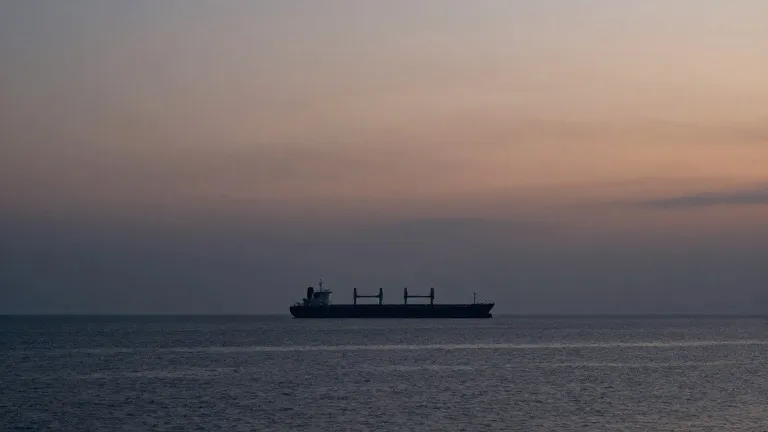
A new round of U.S. and Israeli air strikes on Iran is unlikely to end the war, according to retired Army Gen. Joseph Votel. Speaking to NPR’s Leila Fadel, Votel, who commanded U.S. Central Command from 2016 to 2019, stated that fresh attacks can buy time and degrade capabilities but have not yet altered Tehran’s strategic calculations.
Votel, who currently chairs the Combating Terrorism Center at West Point, noted that many probable targets have already been hit. He observed that Iran has demonstrated the capacity to rebuild these assets. While strikes serve to punish the government, they do not appear to force a change in how Tehran views the trajectory of the conflict.
The general identified two primary goals for Washington: reopening the Strait of Hormuz to restore free commerce and resolving the issue of nuclear enrichment. He argued that military force is only one component of national power. A coordinated strategy involving economic, diplomatic, and informational pressure is required to achieve a specific end state.
Votel pointed to financial pressure as the area showing the most tangible progress. He cited recent reporting indicating that Iran’s "ghost fleet" has run out of oil due to sanctions and blockades. Although this method requires patience, he described the movement in that direction as definite.
The general explained that reopening the Strait of Hormuz would help lower domestic gas and diesel prices. He acknowledged that Iran is also using proxies, including the Houthis, to create regional instability, but he maintained that Hormuz and enrichment remain the principal concerns.
Regarding military readiness, Votel stated that American offensive power in the region is substantial. However, he identified missile defense as a potential constraint. He noted that defensive interceptors protecting U.S. forces and regional partners are under heavy pressure, suggesting that while the ability to strike is secure, the capacity to defend may face limits.
Votel concluded that bringing Iran to the negotiating table requires a clear statement of objectives and the patience to see a coordinated approach through. The combination of military, economic, and diplomatic tools must remain aligned toward a defined finish line.