UK Rate Hike to 4% Expected After Inflation Hits 3.5%
The Bank of England is poised to reverse a three-year trend as energy costs from the Iran war push prices above the central bank's target.
By Harper Laurent ·
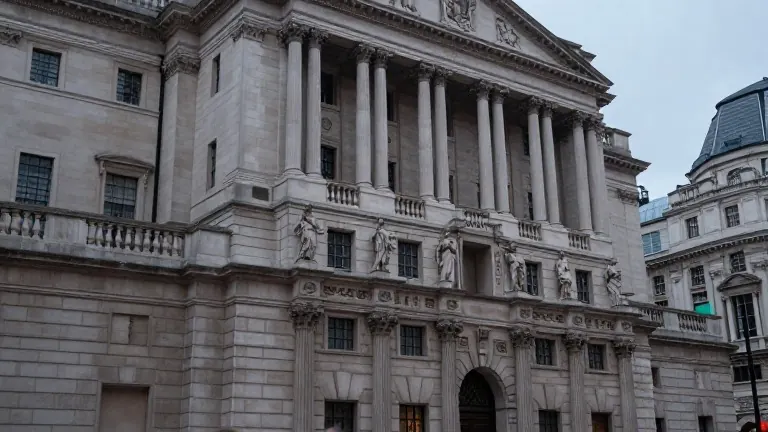
London policymakers are preparing to reverse a long period of easing. The Bank of England is expected to raise its key interest rate on Thursday, marking the first increase since August 2023.
Economists predict the nine members of the Monetary Policy Committee will lift the rate from 3.75% to 4%. This move follows a steady rise in pressure on rate-setters over recent months. The decision responds directly to an inflation shock driven by the conflict in Iran.
Inflation in the United Kingdom reached an 11-month high of 3.5% in September. This figure sits well above the central bank's 2% target. Analysts expect prices to continue climbing in the coming months. The sustained upward pressure has cemented market expectations for this month's hike and suggests further increases may occur in 2027.
The primary driver of the price spike is fuel. The Iran war caused bottlenecks in the Strait of Hormuz, which squeezed global oil and gas supplies. These supply constraints led to a sharp rise in energy costs for UK consumers.
Ellie Henderson, an economist at Investec, noted that committee members' patience with the recent rise in inflation has worn thin. She warned that the longer energy prices remain elevated, the greater the risk that a temporary price shock becomes more permanent. The bank will release quarterly economic projections alongside the rate decision, detailing forecasts for inflation and growth.
Higher interest rates cool the economy by making borrowing more expensive. This mechanism reduces spending and inflation, but it also slows economic growth. The Bank of England is not acting alone in this adjustment. The U.S. Federal Reserve and the European Central Bank have both raised rates recently in response to similar rising prices.
UK interest rates had been trending downward from a 15-year high of 5.25% until the U.S. and Israel attacked Iran in late February. That attack disrupted the previous path of monetary policy and reset the baseline for current economic conditions.
More Business · Business Complaints · Report a business · Got a Story?