Paraguay's former president faces 20 years in prison over bank collapse
Prosecutors charged Santiago Peña with breach of trust following the fall of Ueno Bank, an event that froze the accounts of nearly 3 million people and forced his removal from office.
By Harper Laurent ·
Santiago Peña, the former president of Paraguay, faces up to 20 years in prison after prosecutors charged him with crimes tied to the collapse of Ueno Bank. The financial failure froze the accounts of nearly 3 million customers and triggered the nation's most severe political crisis in ten years.
Nancy Salomón, the country's chief prosecutor for corruption and economic crimes, announced the charges on Saturday. She said Peña would be investigated for breach of trust and administration for personal gain. Prosecutors asked a judge to freeze Peña's assets and hold him in custody while the investigation proceeds.
Judge Humberto Otazu granted the request later on Saturday. He ordered Peña to be held at a military base to ensure his compliance with the anti-corruption probe. Peña was questioned at the Attorney General's compound in Asuncion earlier that day. Police escorted the former president out of the building without handcuffs.
The bank's failure began on Tuesday when regulators intervened in Ueno Bank. They froze the accounts of its customers, which led to a political standoff that ended with Congress removing Peña on Friday night. Lawmakers accused Peña of using his influence to move hundreds of millions of dollars in public funds into the bank. They also claimed regulators ignored risky insider lending. Peña has denied any wrongdoing.
Peña was a member of the conservative Colorado Party, which has governed Paraguay since the country returned to democratic rule in 1989. The Senate voted unanimously to remove him from office. Pedro Alliana, the former vice president, replaced him and began naming a new Cabinet on Saturday.
The Central Bank reported on Saturday that 1.2 million Ueno customers had received partial or full reimbursement of their deposits. Under Paraguayan law, deposits up to $37,000 are insured. Despite the refunds, public anger continues to grow over the loss of savings and the political maneuvering that led to Peña's ouster.
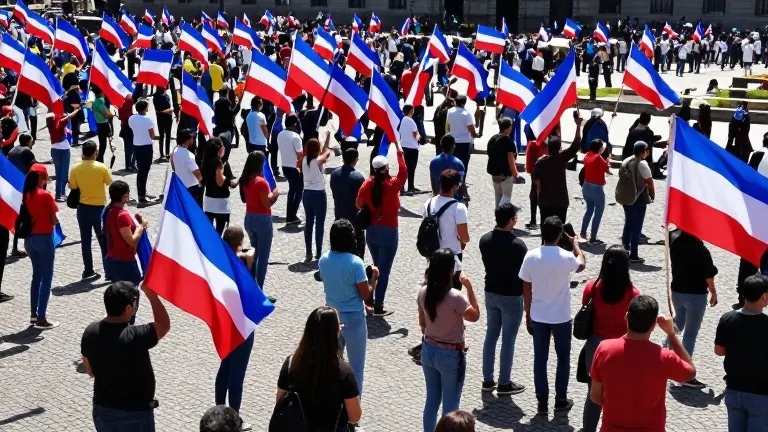
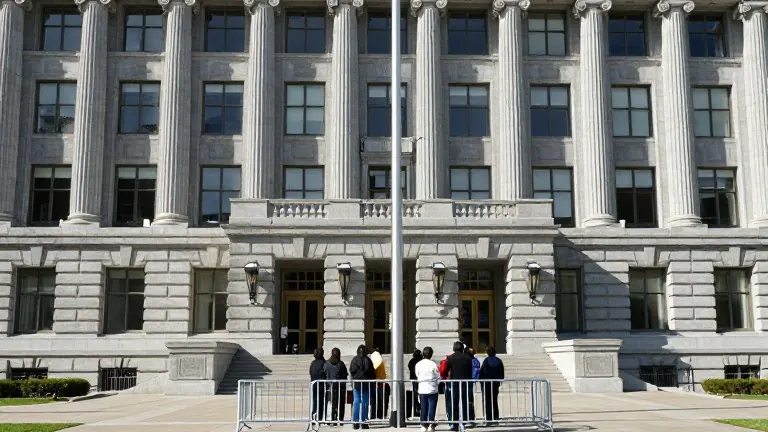
Thousands of protesters have clashed with police this week. Officers used rubber bullets and pepper spray against demonstrators who demanded access to their frozen funds. A few dozen protesters gathered outside the Attorney General's compound on Saturday to express their frustration. One demonstrator, Liliana Jara, said the new leadership is part of the same clique as Peña and should also face investigation.
Paraguay's largest teachers' union, which has more than 40,000 members, plans to begin an indefinite national strike on Monday. The union aims to pressure the government for protection of public pension funds. Peña submitted his resignation on Thursday, but Congress rejected it and moved forward with an impeachment trial to strip him of immunity.