Ohio residents mobilize to stop data centers before 2027 vote
A bipartisan group formed after secretive land sales in a rural Cincinnati suburb is pushing local bans and a statewide constitutional amendment.
By Sarah Montgomery ·
A bipartisan coalition called Conserve Ohio is placing data center bans on ballots in 10 communities this fall. The group seeks to amend local charters to prohibit the construction of large-scale facilities that power artificial intelligence. This effort follows years of secretive land deals in rural areas that left residents unaware of major changes to their surroundings.
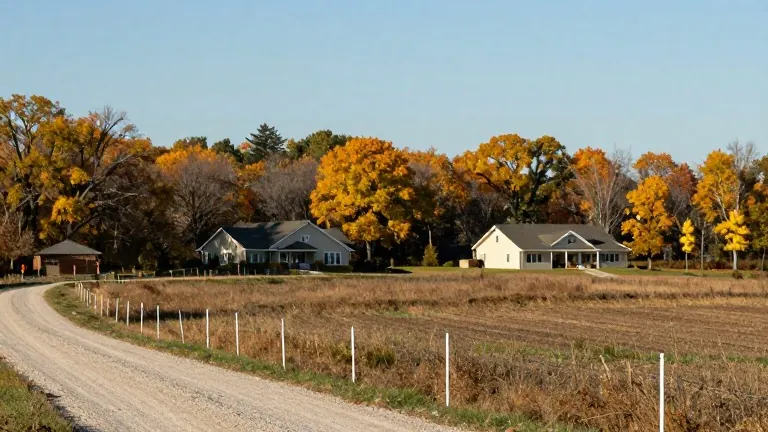
Nick Owens, a lifelong Republican and attorney in Mt. Orab, Ohio, led the push after discovering that 1,000 acres of farmland near his home were sold to a developer in 2024 and 2025. The property, now adjacent to residential homes, is subject to nondisclosure agreements that prevent Owens and neighbors from learning project details. Owens describes the area as embodying small-town charm while retaining the benefits of a nice neighborhood.
Owens joined forces with another local attorney and a real estate agent to build a network of volunteers across nearly all 88 counties in the state. The coalition includes Democrats, Republicans, and Independents united by a desire to preserve their way of life from what Owens calls a hyperscale data center invasion. While hundreds of municipal and county governments have adopted temporary pauses on construction, Conserve Ohio aims for permanent prohibitions.
The group is also gathering signatures for a petition to place a statewide ban on large-scale data centers before Ohio voters in 2027. This initiative goes beyond local measures by seeking a constitutional amendment. Linda Moodie, an independent volunteer, has been collecting signatures at public events like Halloween celebrations in Fairfield, where residents expressed concern over the rapid influx of new projects.
The issue has become a central theme in Ohio’s midterm elections. Former Democratic Senator Sherrod Brown has accused his opponent, incumbent Republican Senator Jon Husted, of being the face of data centers. Brown points to Husted’s role as lieutenant governor in welcoming tech companies to the state. Husted has countered by accusing Brown of hypocrisy and introduced a federal bill requiring data centers to pay for power grid upgrades, a measure Senate Democrats have blocked.
Owens notes that Republican enthusiasm has waned in rural areas, where campaign signs are less visible than in the 2024 presidential election. He attributes this shift to the data center battle and high diesel prices. President Donald Trump recently dismissed opponents on Truth Social, arguing that communities rejecting data centers risk becoming poor and backward. Owens calls the comments tone deaf, stating that residents want their regular way of life preserved.
Construction at the Mt. Orab site has not yet started, and no timeline has been announced. Nondisclosure agreements continue to limit public knowledge about the project. The site remains quiet, with only bird sounds audible on a recent fall day. Owens and other volunteers continue to monitor the land while working to secure a vote on the issue in 2027.