Democrats seize both chambers in historic midterm sweep as Trump faces new checks
Voters delivered Democrats a net gain of seven Senate seats and 41 House seats, ending Republican control of Congress and setting the stage for aggressive oversight investigations.
By Sarah Montgomery ·
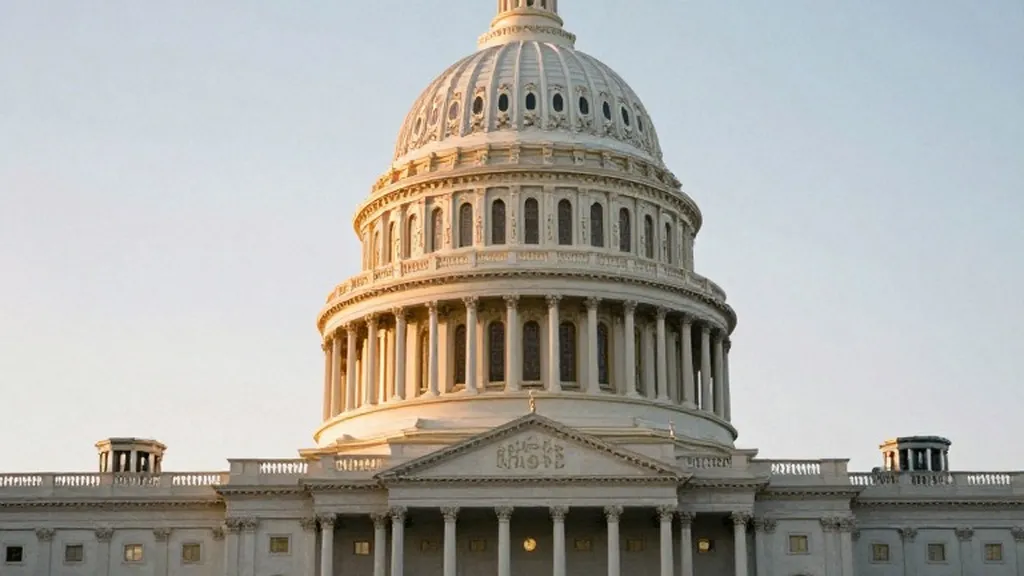
Midterm elections on Tuesday, November 3, 2026, resulted in a decisive shift of power in Washington, with Democrats winning majorities in both the U.S. House of Representatives and the U.S. Senate. According to Ballotpedia, Democrats captured at least 250 of the 435 House seats, a net gain of 41 seats, while taking control of the Senate with a 54 to 44 majority. This outcome marks the first time since before the 2010 elections that Democrats hold a majority of governorships, state legislative chambers, and federal congressional seats simultaneously. The results reflect a wave of dissatisfaction with the executive branch, as voters sought to impose stronger checks and balances on the presidency.
The Senate race saw seven seats change party control from Republican to Democratic hands, including victories in Iowa, Kansas, Maine, North Carolina, Ohio, South Carolina, and Texas. Decision Desk HQ projected that Democrats would win control of the chamber, ending the Republican majority that had held since the 2024 elections. In the House, Democrats flipped 42 previously Republican seats and one independent seat, though 28 races remained uncalled as of 4:00 PM Eastern Time on November 6. This margin of victory places the Senate swing in the top 20% of election years in terms of seat transfers against a president’s party, a threshold often used to define a wave election.
President Donald Trump reacted swiftly to the results, declaring on social media that the investigative requests already made by Democratic lawmakers constitute extortion at the highest level. He stated that those responsible for these requests should be held accountable. Attorney General Todd Blanche supported the president’s stance, suggesting that criminal investigations of Democratic members of Congress are possible. Blanche argued that Democrats are not allowed to threaten existing administration members or companies, a move he said is a primary concern for the president. This combative tone sets the stage for an intense conflict between the White House and the new congressional leadership.
Rep. Robert Garcia, who is poised to chair the House Oversight Committee in the next Congress, signaled that Democrats are prepared for a fight. He described the administration as the Trump crime family and stated that the days of Democrats not fighting back are over. Democratic House leader Hakeem Jeffries, who is expected to become the nation’s first Black House speaker, said his party is not going to be intimidated. Jeffries noted that if individuals are shortchanging or stealing from the American people, they need to be held accountable in a manner consistent with Congress’ constitutional role. He also expressed support for a pending resolution to impeach Defense Secretary Pete Hegseth, calling him a hard yes on the measure.
However, not all Democrats are unified on the approach to the new majority. Sen. elect Adam Hamilton, the first Democrat elected to the Senate from Kansas in 94 years, expressed skepticism about impeachment. He stated that his campaign was about bringing people together and that he does not want the next two years to be spent dividing the country further. Hamilton said he is more interested in setting up guardrails than pursuing impeachment. Sen. Bernie Sanders, a Vermont independent who caucuses with Democrats, warned that the party cannot spend all its time investigating Trump. He emphasized the need to stand up for working class families and make a real difference in their lives, suggesting that economic relief should take precedence over political battles.
The election also saw historic milestones for underrepresented groups in American politics. Peggy Flanagan became the first Native American woman elected to the U.S. Senate after winning the race in Minnesota. Deb Haaland won the governorship of New Mexico, becoming the first female Native American to lead a U.S. state. Crystalyne Curley was elected as the first woman president of the Navajo Nation, narrowly defeating attorney Justin Jones. These victories highlight a broader trend of Native American women breaking barriers in formal political power. Jordan James Harvill, a strategist with the advocacy group Advance Native Political Leadership, called these results a seismic shift in communities.
Statewide races also reflected the national mood, with Democrats winning 22 of the 36 gubernatorial races on the ballot. Five states changed party control from Republican to Democratic, including Ohio, where Democrat Amy Acton defeated Vivek Ramaswamy by eight points. Acton’s victory is particularly notable given that her party had not won the governor’s mansion in the state in nearly 20 years. The AP Voter Poll indicated that about three quarters of voters felt angry or dissatisfied with the country’s current trajectory. Three quarters said the economy was not so good or poor, and about eight in ten said inflation caused financial hardship. These sentiments appear to have driven the high turnout, with more than 59 million people casting ballots before Tuesday.
Looking ahead, the new Congress is expected to face immediate challenges in balancing oversight with legislative priorities. The AP Voter Poll found that about seven in 10 voters nationally say Congress is not doing enough to provide checks and balances on the presidency. This mandate gives the new Democratic leadership significant leverage, but also high expectations for tangible results. The upcoming session will test whether the party can deliver on promises to lower the cost of living while navigating potential conflicts with the White House. The appointment of Stephen Miller as chief of staff has already drawn criticism from Democrats, with Jeffries calling it an awful choice and casting doubt on the prospect of working with him.