33 Million Brazilians Did Not Vote in First Round of Presidential Race
A surge in abstention and a shift from factory work to service jobs are reshaping the final contest between Lula and Flávio Bolsonaro.
By Sarah Montgomery ·
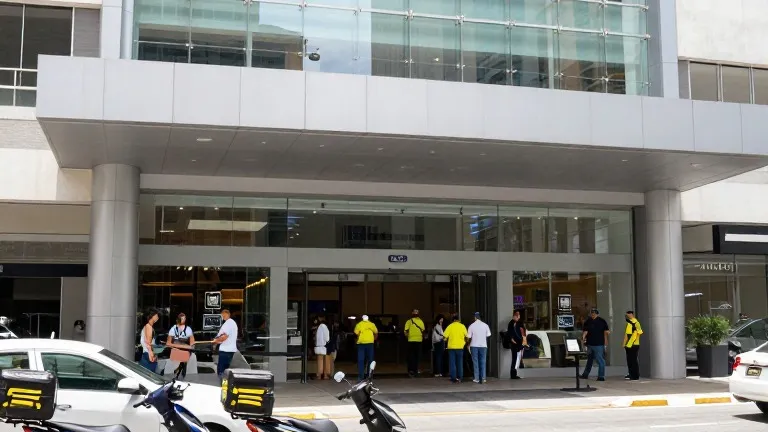
Thirty-three million Brazilians stayed home during this month's first-round presidential election. This marks the highest level of abstention in the country since 1998. The inaction leaves a large portion of the electorate undecided or disengaged ahead of Sunday's final vote.
The contest is currently defined by a structural change in the Brazilian economy. In Osasco, a suburb of São Paulo that was once an industrial hub, manufacturing plants have largely vanished. They have been replaced by shopping malls and offices for delivery applications. The city, now known locally as the region's tech center, voted for President Luiz Inácio Lula da Silva in 2022. In the recent first round, its residents shifted their support to Flávio Bolsonaro.
Flávio Bolsonaro won the first round nationally. Historical precedent suggests a strong advantage for the candidate who leads after the first vote. Every first-round winner in Brazil since 1989 has gone on to secure the presidency. However, the high number of absent ballots creates uncertainty about whether that lead holds in the final count.
Gilberto Almazan, who leads a metalworkers' union in Osasco, points to the disappearance of metal, chemical, and textile factories as the cause of the local shift. He notes that five shopping malls were constructed in the area where factories once stood. Almazan describes the traditional union movement that supported Lula's rise as outdated. He argues that many workers now prefer the flexibility of app-based labor over the collective benefits of industrial employment.
Richard Lapper, an author who has written biographies of both Lula and Jair Bolsonaro, describes the situation as a crisis of expectations. He notes that Brazil industrialized late but deindustrialized early, causing sharp economic disruption. Lapper characterizes Lula as a victim of his own success, suggesting that while objective indicators like unemployment have improved, subjective feelings of financial strain persist due to debt and high interest rates.
Flávio Bolsonaro has proposed reducing government spending and cutting some taxes. He intends to retain certain welfare programs associated with his rival. The candidate has also denied recent corruption accusations. His campaign is gaining traction among voters who feel the current administration has failed to change their daily realities.
Voters in poorer districts show mixed loyalties. In Maré, a large favela in Rio de Janeiro, abstention rates were higher than the national average. Yet Lula still won the vote there. Vitoria, an 18-year-old mother, cites the minimum wage increase and free medicine as reasons to support the president. She expresses doubt about Flávio Bolsonaro's plan to designate a local gang as a terrorist organization, a move she fears could lead to violent police raids similar to those in 2025 that killed more than 130 people.
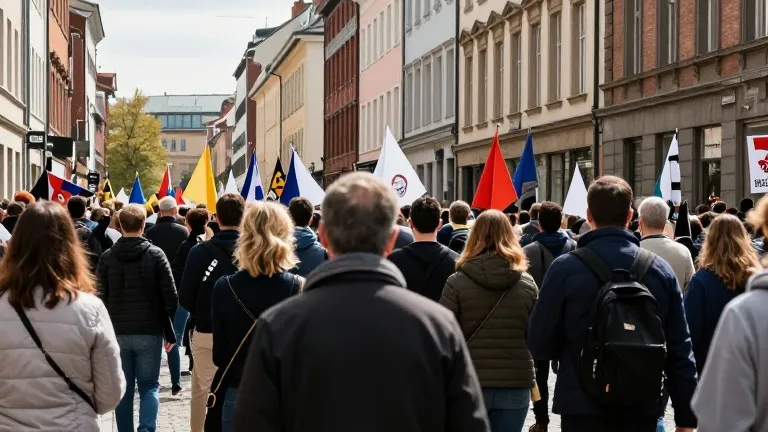
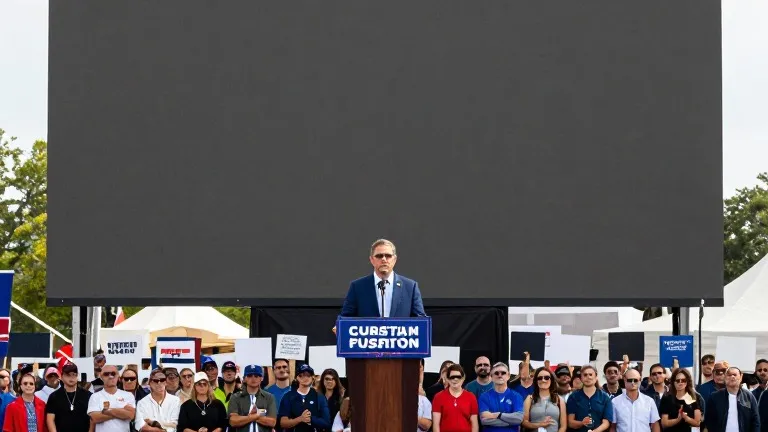
Lula's campaign is responding to the abstention challenge by mobilizing street rallies. Organizers claim that one event in São Paulo attracted approximately one million people. The 80-year-old president is also using social media to counter perceptions that he is too old for the role, referring to himself as the king of selfies.
Religious institutions are also playing a growing role in political engagement. Approximately one-quarter of Brazilians now attend evangelical churches, which provide childcare and employment advice. Pastor Silas Malafaia, who is currently under investigation for alleged obstruction in the trial of Jair Bolsonaro, says his church values align with Flávio Bolsonaro on family and abortion issues. The first round appeared to be more of a rejection of the incumbent than a clear endorsement of the challenger.
Almazan fears that the era of Lula is ending. He questions whether the president can offer a new narrative to workers who have left the factory floor. The outcome of Sunday's vote will determine if the shifting economic base of the country translates into a change in leadership.
More Politics · World news · Report a business · Got a Story?