Cost of living drives voter choice as Democrats take Congress
Record fuel prices and tariff impacts made the economy the top issue, with voters in Raleigh and Palm Beach citing financial hardship in exit polls.
By Harper Laurent ·
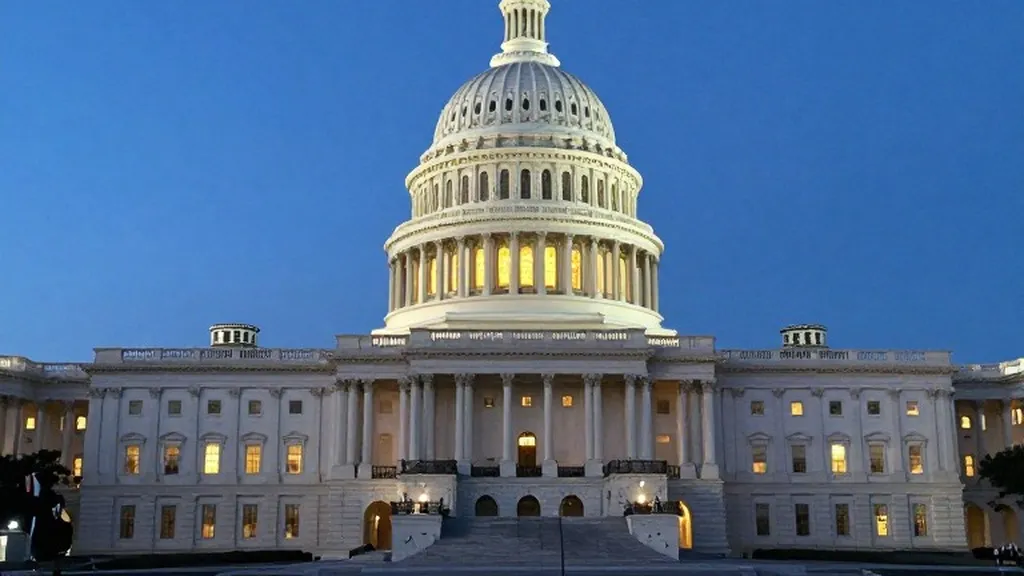
The 2026 midterm elections have concluded with a decisive shift in power, as Democrats secured control of both chambers of the United States Congress. The Associated Press National Opinion Research Center data indicates that the cost of living and economic conditions were the primary factors influencing voter decisions. This outcome reflects a broad rejection of the current administration’s policies, with voters across the country citing financial strain as their most urgent concern.
According to the survey data, three-quarters of voters assessed the national economy as either "not so good" or "poor." Approximately 80 percent of respondents reported that inflation had caused either a severe or moderate financial hardship for their households. These figures highlight how elevated prices for basic essentials, including gasoline and groceries, shaped the political mood. The economic anxiety was not limited to traditional Democratic strongholds, as a majority of voters in red states also expressed dissatisfaction with the country’s trajectory.
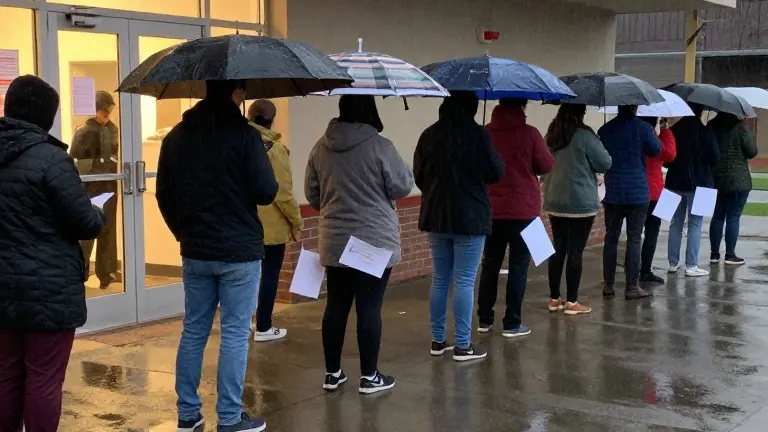
In Raleigh, North Carolina, voters emphasized the impact of tariffs on their daily expenses. The state saw significant shifts in both the U.S. House and Senate races, with Democrats gaining seats in areas that had previously leaned Republican. Local voters pointed to the direct effect of trade policies on local businesses and consumer goods. This sentiment aligned with national trends, where the economy outpaced other issues such as immigration enforcement and foreign policy conflicts in terms of voter priority.
Palm Beach, Florida, presented a similar narrative of economic concern. Voters in this region, which includes a large population of retirees and fixed-income individuals, focused heavily on the stability of their savings and the cost of healthcare and housing. The Democratic surge in Florida, including the retention of a key Senate seat, was attributed in part to these financial worries. The state’s results underscored that economic pressures can override traditional partisan loyalties in swing districts and statewide races.
The Associated Press National Opinion Research Center poll found that roughly half of voters identified government corruption and the cost of living as crucial to their congressional vote. These two issues ranked higher than the war in Iran and concerns about artificial intelligence data centers. This finding suggests that while foreign policy and technological regulation remained relevant, the immediate impact on the household budget was the decisive factor. Both parties had campaigned on these themes, but the data indicates that the Democratic message resonated more effectively with voters seeking relief from financial stress.
Democrats gained 33 seats in the U.S. House, moving from 215 to 238 representatives. In the U.S. Senate, the party secured 20 of the 35 contested seats, resulting in a net gain of seven seats. This shift grants Democrats a majority in both chambers, allowing them to advance legislation and conduct oversight with greater authority. The previous Republican control in the House, which had held 220 seats, was reversed as the party lost 146 seats in this election cycle. The change in power dynamics is expected to influence the legislative agenda for the coming two years.
President Donald Trump, whose party faced significant losses, had previously declared that inflation was solved despite consumer prices rising 3.6 percent in September from a year earlier. This statement contrasted with the polling data that showed widespread dissatisfaction with economic conditions. The administration’s handling of the economy, including the implementation of new tariffs, became a central point of criticism for both parties. Republicans argued that the measures were necessary for long-term stability, while Democrats contended that they exacerbated short-term pain for average families.
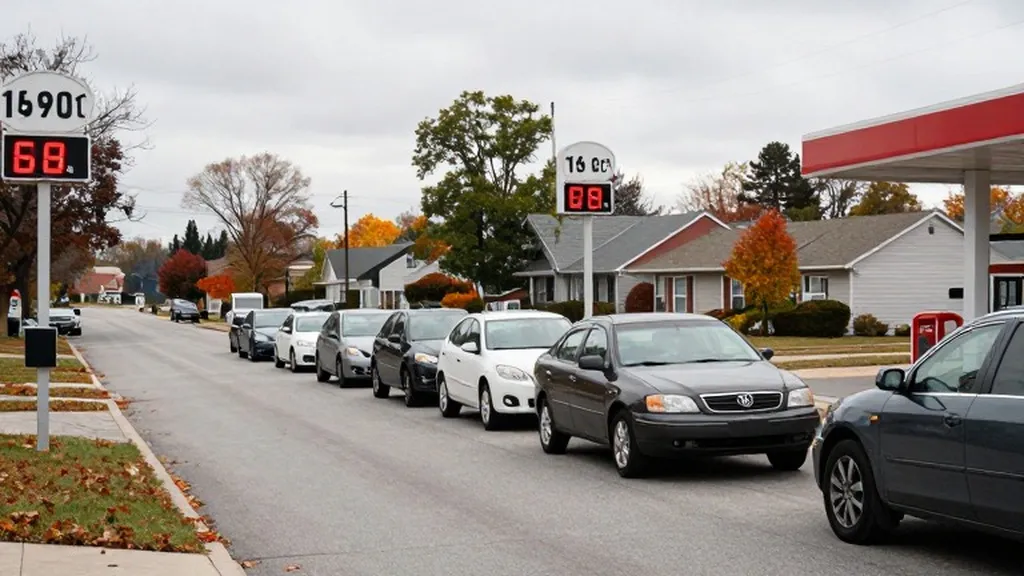
The election results also highlighted the role of record fuel prices in shaping voter behavior. Diesel and gasoline prices reached historic highs on Election Day, which analysts noted contributed to the Democratic victory. Voters in suburban and rural areas, where commuting costs are a significant burden, reported that the price at the pump was a key consideration. This economic pressure was felt across party lines, with many independent and moderate voters choosing candidates who pledged to address affordability and reduce the cost of essential services.
The shift in congressional control is expected to lead to increased oversight of the executive branch. Democratic leaders have indicated that they will use their majority to investigate government spending and potential corruption. This focus aligns with the top concerns expressed by voters in the polling data. The new majority in the House and Senate will have the tools to challenge the administration’s policies, including those related to trade and economic management. The outcome of the election has set the stage for a period of intense political scrutiny and legislative activity.
The data from the Associated Press National Opinion Research Center provides a clear picture of the voter mindset that led to this electoral shift. The combination of high prices, tariff impacts, and concerns about corruption created a unified message that resonated with a wide coalition of voters. The results in states like North Carolina and Florida demonstrate that economic issues can drive significant changes in partisan control. As the new Congress prepares to convene, the focus will remain on addressing the financial hardships that were central to the election outcome.
The election has ended with Democrats holding a firm grip on both chambers of Congress. The results reflect a electorate that prioritized economic stability and affordability over other issues. The specific concerns of voters in Raleigh and Palm Beach mirror the national trend, showing that local economic conditions played a crucial role in the broader political shift. The coming legislative session will likely be defined by the efforts to address these economic challenges and implement changes that voters demanded.