Trump faces tough choices on Iran war after Democratic sweep
With Democrats now controlling both chambers of Congress, President Trump must decide whether to escalate strikes or seek a settlement as oil prices drop.
By Malik Salazar ·
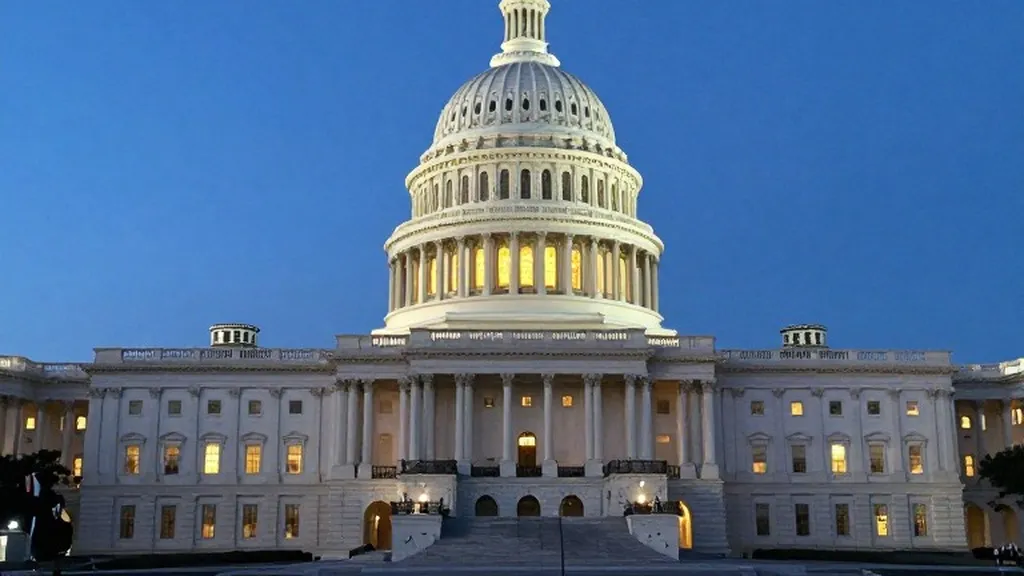
President Donald Trump faces a difficult decision regarding his eight-month war against Iran following the Democratic midterm victory. The Associated Press reports that the president now weighs whether to continue the conflict or seek a settlement after his party suffered significant losses. For weeks, Trump threatened to return to full-scale bombardment if Tehran did not accept terms favorable to the United States. In his first comments after the election, he largely agreed with Vice President JD Vance, who described the war as a catastrophe for Republicans. However, Trump suggested the election losses are not heavily influencing his calculations, stating that if the United States has to finish the Iran situation, the country is locked in.
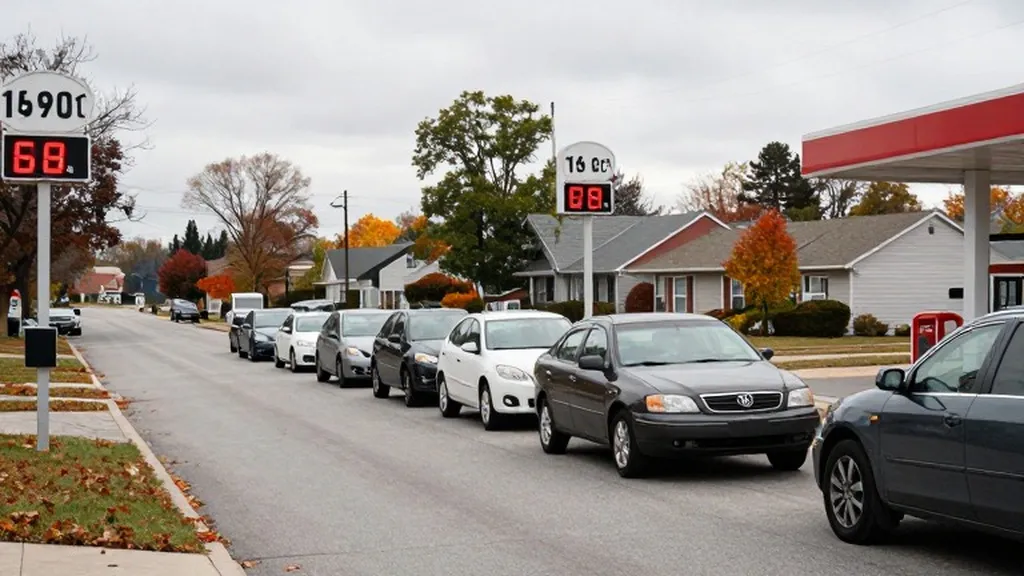
The conflict has caused tens of billions of dollars in damage across the region. Rising gas prices and increased costs in various sectors have affected families globally. These economic pressures were a major factor in the election results. Reuters notes that record Election Day diesel and gasoline prices pushed Americans toward Democrats, with voters citing the cost of living as a primary concern. The war also contributed to a wave of dissatisfaction that powered the Democratic surge. As Trump ponders his next move, the stakes are high for Iran, the Middle East, and the global economy. Markets have reacted to the election outcome, with Brent crude oil prices tumbling below $95 on Wednesday. This marked the lowest level in two months, signaling that investors do not expect major new strikes immediately.
Analysts suggest Trump has several options moving forward. Brian Haggerty, a former senior analyst at the Central Intelligence Agency, notes that Trump may feel less restrained now that the political damage is done. Haggerty states that the strategic logic of escalating strikes against Iran remains the same as it was before the election. One option is to maintain the current posture, with the U.S. Military carrying out defensive strikes while continuing a naval blockade to restrict Iranian oil flow. Another option involves striking Iran's Pickaxe Mountain facility, which is linked to its nuclear program and buried deep underground in central Iran. David Schenker, a former assistant secretary of state, says Trump could target this site and then claim he did sufficient damage to the nuclear program. This approach could lead to a fig leaf agreement that restores freedom of navigation in the Strait of Hormuz and offers some sanctions relief.
A third option would be to follow through on Trump's earlier threats to launch massive attacks on Iranian infrastructure. Schenker notes that Iranians may believe the president is constrained by Congress, but the opposite could also be true. However, such escalation would likely worsen the oil and energy price problems that many voters cited as reasons for supporting Democrats. The price of a barrel of Brent crude oil dropped below $95 on Wednesday after the election. This decline indicates that markets are not expecting a major increase in military activity. Iran also has a say in the next steps, analysts point out. Bradley Bowman, an analyst at the Foundation for Defense of Democracies, warns that once a conflict begins, stopping the U.S. Side does not mean Iran will stop attacking shipping in the Strait of Hormuz.
Regional officials are on high alert for Trump's next move. Middle East leaders had been monitoring the president's statements closely in the weeks leading up to the election, looking for clues on how he was weighing his options. A senior Yemeni government official noted that the threat from Iran and its proxy groups did not change overnight with the U.S. Elections. The official urged Washington to avoid hasty decisions. The situation in the Red Sea remains volatile, with Iran-backed Houthi rebels and a Saudi Arabia-led coalition fighting. The Houthis are attacking Yemeni civilians and Saudi infrastructure while seeking to bolster ties with militant groups in the Horn of Africa. These attacks have worsened a growing humanitarian crisis in areas controlled by the internationally recognized Yemeni government.
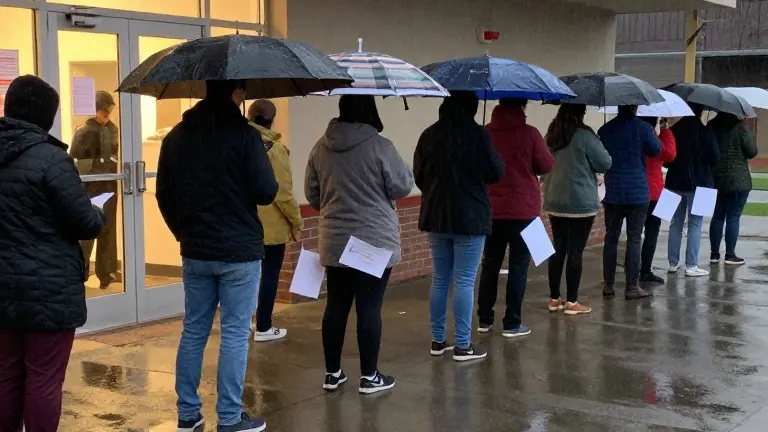
The election results showed a clear shift in public opinion regarding the war. The Associated Press reports that the Democrat wave was powered in part by the American electorate's dissatisfaction with the conflict. Voters were angry over high prices and the war in Iran. About three-quarters of voters said they feel angry or dissatisfied with the country's current trajectory. Dissatisfaction was particularly high in blue states, but even in red states, a majority of voters were at least dissatisfied. The economy was once one of Trump's strongest issues, but the poll found that three-quarters of voters say the economy is not so good or poor. About eight in ten say inflation has caused severe or moderate financial hardship for their households. Government corruption was also a key issue, with roughly half citing it and the cost of living as crucial to their vote.
Democrats are now poised to use their new majority to impose checks on the president. Hakeem Jeffries, who is in line to become House speaker, has not ruled out trying to impeach Trump for a third time. Senior Democrats in both chambers have vowed to marshal subpoena powers to probe what they say is self-enrichment by the president and people in his orbit. The Republican president and his White House have long denied any wrongdoing. The Senate is expected to conduct similar investigations. Chuck Schumer, who is poised to return as Senate majority leader, said Americans want cleanup of corruption in government. He noted that no American should have to make tradeoffs at the supermarket while the president makes inside trades on the stock market. This oversight agenda may influence how the administration handles the Iran conflict in the coming months.