Study: Witnesses Can Misremember Lineup Details, Even When Telling Truth
FIU psychology professor Stephen Charman says recording identification procedures would preserve what happened before memory shifts.
By Malik Salazar ·
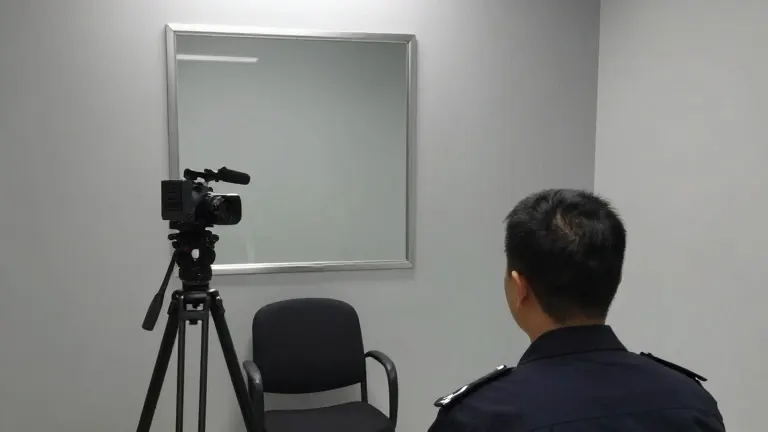
Eyewitnesses can honestly believe what they recall about a police lineup and still be wrong about what was said before it, what occurred during it, or what happened afterward. That gap between confidence and accuracy is the focus of a study by Stephen Charman, a professor in Florida International University's Department of Psychology.
Charman's research examines how well witnesses remember the instructions they receive before a lineup, the lineup itself, and any feedback given afterward. The study found that witnesses retain information about feedback more accurately after they have made an identification than before.
That matters because witnesses may be asked to describe an identification long after it took place, including during later stages of a criminal case. Charman said leading questions can reshape what a witness reports remembering, particularly when the original memory is weak. Gaps in memory about what an officer said before a lineup or what followed it may be filled in with assumptions about what probably happened, without the witness intending to mislead anyone.
Charman said, "When misinformation gets incorporated into your memory, it becomes almost indistinguishable from it. People are not necessarily aware of how their memory was influenced in the past. It feels real to them."
The study recommends recording identification procedures so a record exists of what actually occurred. Without a recording, courts must rely on witness memory, which can blend firsthand experience with later inference. A witness might also recall a problem with a procedure that did not occur, making a valid identification appear questionable.
Defense attorneys have reason to probe these details. Charman said, "Defense attorneys want to know if the line of procedure was done correctly, because if it wasn't, that might be an explanation for why their client was identified. Attorneys like witnesses to be on the stand. It provides them with a defense strategy."
Charman's work does not argue that eyewitness accounts should be dismissed. It focuses on the limits of memory and on preserving a record of events before recollection changes them.