Tokyo Jury Chair De Heer Says A-List Label Adds Little to Festival's Reputation
The 2026 competition jury discussed the International Federation of Film Producers Associations upgrade and their approach to selecting a winner from 15 films.
By Malik Salazar ·
Rolf de Heer, the Dutch-Australian filmmaker heading the 2026 Tokyo International Film Festival competition jury, stated on Tuesday that the festival’s recent elevation to A-list status by the International Federation of Film Producers Associations (FIAPF) makes little practical difference to the event's standing.
De Heer, known for films such as Bad Boy Bubby and The Tracker, argued that Tokyo was already treated as an A-list festival by most attendees. "Tokyo was effectively an 'A' festival. And so in that sense, I don't think it makes a lot of difference," he said. He noted that while official categorization may influence the quality of films available to the event, it does not fundamentally alter the festival itself.
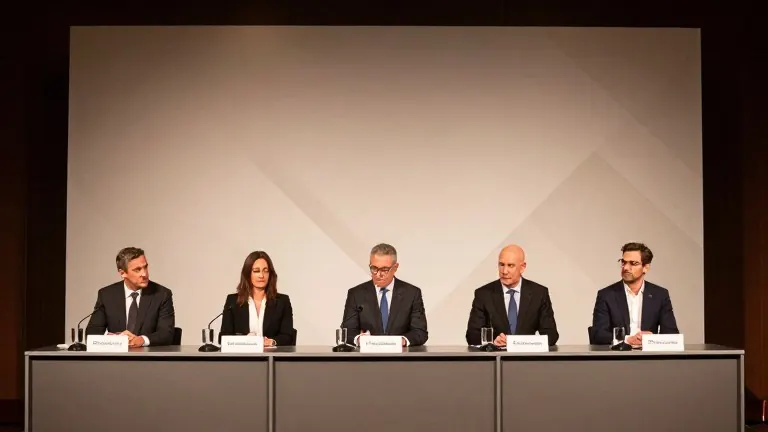
The jury press conference took place on Tuesday and featured five members: De Heer; French colorist and producer Yov Moor; South Korean producer Oh Jungwan; Japanese actress Makiko Watanabe; and Taiwanese-American producer Alex C. Lo. The discussion remained largely focused on film rather than politics, distinguishing it from similar events at major European and American festivals.
When asked about the lack of co-productions between Australia and Japan, De Heer suggested that financial arrangements often drive European collaborations, whereas Australian projects succeed when stories naturally require filming in both countries. "It makes no sense for a Japanese film to shoot in Australia, or it makes no sense for an Australian film to shoot in Japan," he explained.
South Korean producer Oh Jungwan offered a more casual perspective on the tier system, suggesting that audiences attend festivals to watch films rather than to check rankings. "Probably A-list means good! But as an audience, we're not going to the festival because of their A-list or not," she said. De Heer responded that the importance of such labels varies by individual, stating, "It matters a great deal to some people, and not at all to others."
Taiwanese-American producer Alex C. Lo attributed the festival's reputation to its operational traits, specifically citing world-leading hospitality and an audience that respects original storytelling. He described the local viewers as intellectually curious and attentive.
The jury addressed the process for selecting a winner from the 15 competing films, acknowledging that disagreements are inevitable. De Heer said the group will avoid choosing a "lesser compromise film" in favor of a work that genuinely interests the majority, even if some members do not prefer it. "I’m with four other very reasonable people, and I’m sure we can find a way through," he said.
Oh Jungwan joked about her readiness to debate the others, referencing a previous jury experience where she argued for a film for seven hours. "Every other jury member hated me," she recalled with laughter. She added that the current group consists of "grownups" who will find a compromise, hoping to avoid a similar seven-hour dispute this time.
French colorist Yov Moor expressed surprise at being invited to the jury, noting that colorists are rarely selected for such roles. He described the appointment as a "little dream" and an opportunity to highlight the work of people in his profession. Moor has lived in Tokyo for nearly two years.
De Heer concluded the press conference by describing his current professional state as a "punctuation point" between projects. He said he is making decisions about his next film and enjoys the break that the festival provides. "It’s not a very good answer for you, but it is the answer," he said.