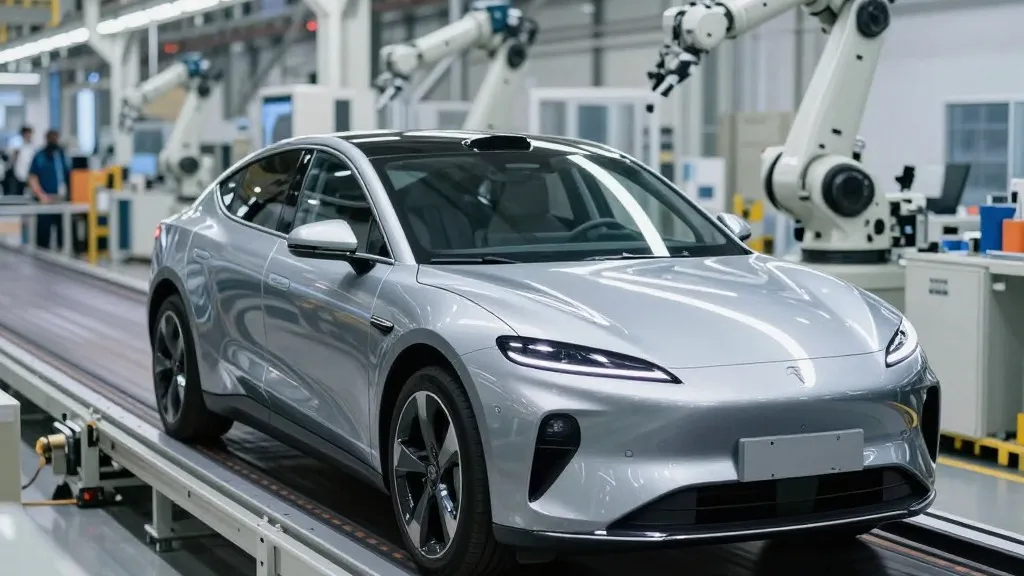
Tesla counts one-time FSD buyers in its 1.74 million subscriber total
The automaker's latest report includes customers who paid upfront years ago, a definition that aligns with executive compensation goals but leaves the number of monthly payers unclear.
By Harper Laurent ·
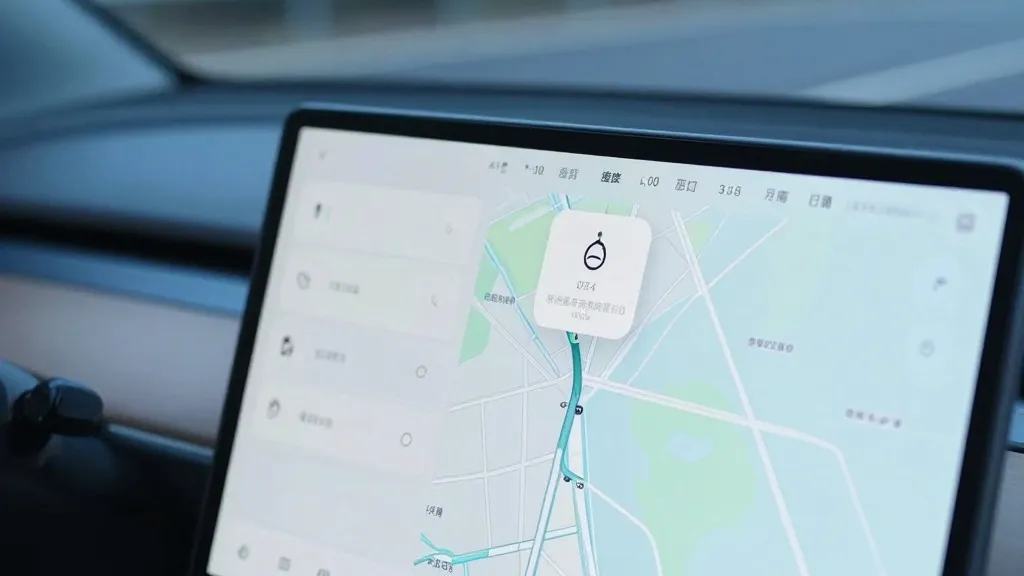
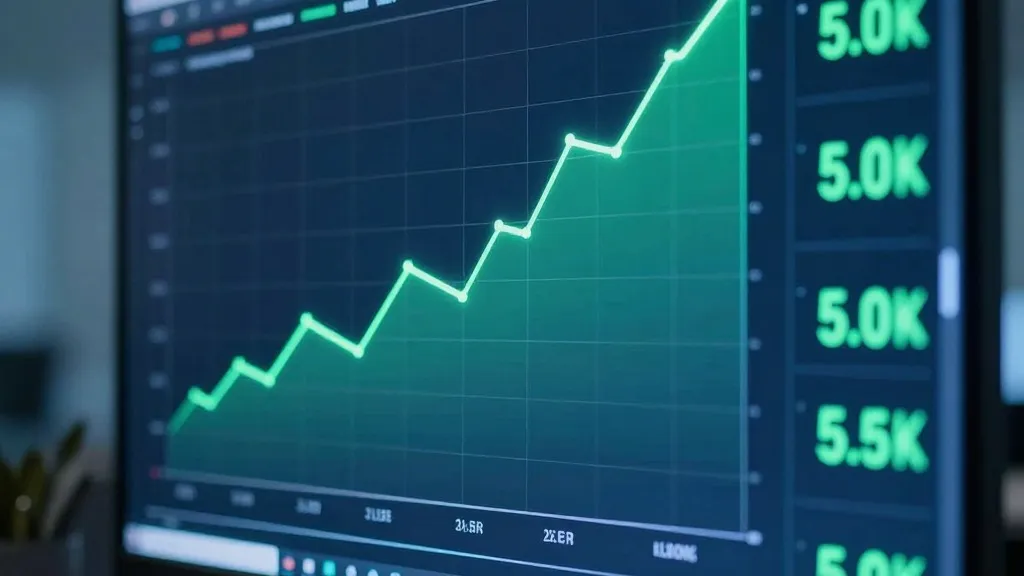
Tesla recently announced that it has reached 1.74 million active Full Self-Driving subscriptions, a figure representing a 67% increase compared to the same period last year. The company outlined this achievement in its Q3 2026 shareholder letter, where a specific footnote revealed how the total was calculated. The metric adheres to the standards set by the 2025 CEO Performance Award and includes both upfront purchases and ongoing monthly payments.
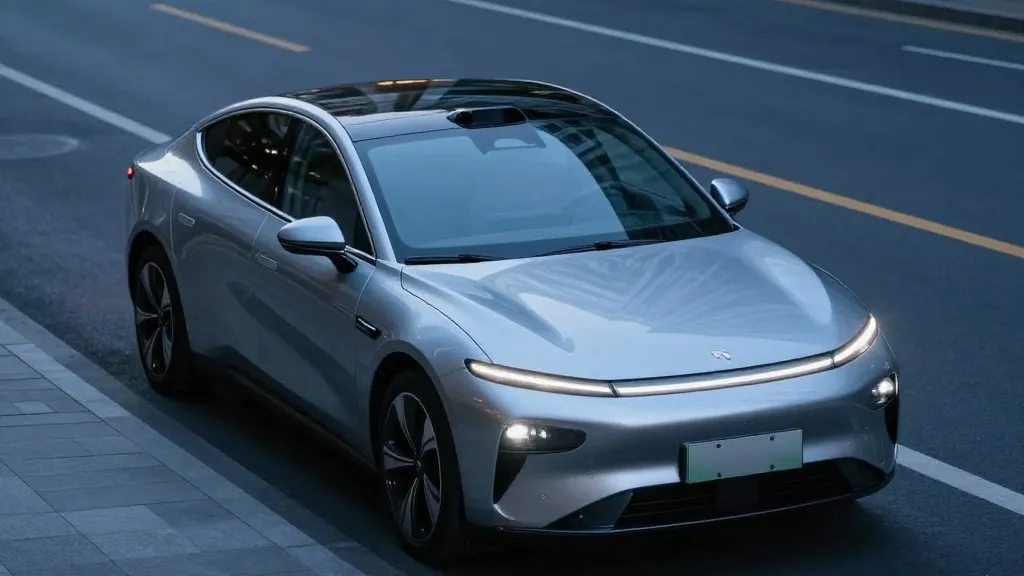
This accounting method means that owners who bought the software outright, some of them years ago, are still counted as active subscribers. This distinction is significant because reaching 10 million active FSD subscriptions is a key milestone Elon Musk must achieve to secure his 2025 pay package. It also highlights a disconnect for consumers, as hundreds of thousands of these counted users were originally sold the promise of unsupervised self-driving, a feature Tesla has not yet fully delivered.
The company stopped selling FSD as a one-time purchase in February 2026. Since then, new customers in the US have only been able to access it as a $99 monthly subscription. However, anyone who paid the upfront fee, which could reach $15,000, remains in the active count as long as their vehicle is operational. The only category excluded from this total is free trials. Despite this, Tesla has not yet disclosed how many of the 1.74 million users are currently paying the monthly fee.
Similar accounting practices appear in other parts of the report. Tesla’s cumulative delivery figure, now standing at 10.2 million, also includes unsupervised robotaxis placed into commercial operation. This approach aligns with the pay package, which sets a target of 20 million vehicles. Additionally, the company reported that more than 75% of new North American deliveries in Q3 included FSD subscriptions. Tesla noted this was a nearly twenty percentage point increase from the previous quarter and believes the software is driving demand in available markets.
However, the 75% attach rate remains somewhat undefined. The letter does not specify if it counts subscriptions started with introductory offers or how many buyers are still paying after a few months. While the active subscription metric excludes free trials, Tesla has not stated whether the same applies to the attach rate. This lack of clarity leaves investors and observers without a clear picture of customer retention.
Musk’s compensation structure includes twelve tranches, each requiring both a market cap milestone and an operational target. As of June 30, the company considered only the 20 million vehicle delivery milestone to be probable. In Q3, Tesla added 260,000 net FSD subscriptions, its highest quarterly gain to date. At this pace, reaching 10 million would take about eight years. If the company maintains the last twelve months' average of roughly 700,000 new subscriptions per year, the timeline extends to nearly twelve years. The award period runs until 2035.
Counting upfront buyers is not inherently incorrect, as those vehicles do have the software installed. The debate centers on labeling them as subscribers and using the total to demonstrate momentum. The definition was crafted for executive compensation rather than general investor clarity. As this becomes Tesla’s primary software metric, the board has written the rules, and the company’s compensation depends on them. Yet, the firm has not yet revealed how many people are actually paying the $99 monthly fee.
More Business · Business Complaints · Report a business · Got a Story?