Q2 2027: The New Date for Tesla's Unsupervised Driving
Tesla has set a new timeline for self-driving features, but the scope is limited to specific robotaxi zones rather than general personal use.
By Khalid Rahman ·
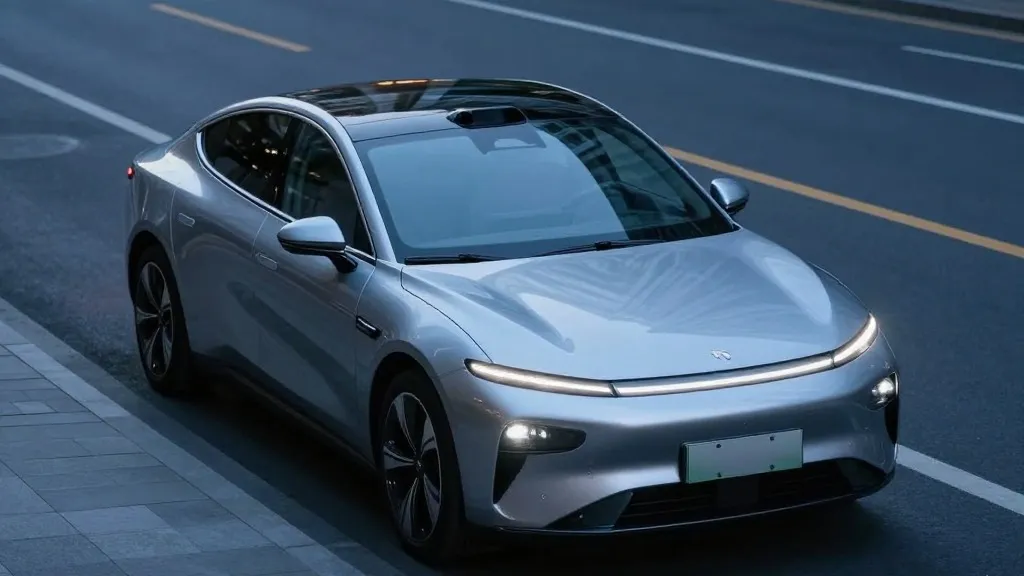
Tesla has set a new target date for unsupervised self-driving in customer-owned cars, but the scope of that promise is narrower than many buyers expected.
During its third-quarter 2026 earnings call today, the company announced that this capability will arrive in the second quarter of 2027. AI chief Ashok Elluswamy clarified the details, explaining that this feature will allow owners to add their personal vehicles to Tesla’s managed Robotaxi fleet. This means the cars will not simply drive owners anywhere they choose. Instead, the vehicles will operate within the specific areas where Tesla already runs its robotaxi service.
This answer addressed a major question from shareholders. One of the top retail shareholder questions submitted for the call asked when unsupervised Full Self-Driving would be available in customer cars. That question was backed by approximately 1.1 million shares. Elluswamy’s response framed the next step not as a software update that lets drivers sleep in the back seat, but as a move to integrate private cars into the company’s existing autonomous network.
The current operational area for this technology is quite small. Tesla’s Robotaxi service currently runs in six major US metropolitan areas. In most of these cities, the service covers only small slices of the total area. For example, the Miami zone mostly covers West Miami and a strip toward Doral and Sweetwater. Orlando and Tampa launched similar services in July with equally limited geofences. Within these zones, the cars stick to low-speed routes and largely avoid highways and complex traffic situations. In the Bay Area, the service is not yet fully unsupervised because California rules require a safety driver in every car. Tesla has not released certain data to the California DMV, which is required for systems beyond level 2 autonomy.
The fleet size supporting this service remains modest. Tesla reported that its Robotaxi program reached nearly 2 million cumulative unsupervised miles by the end of the third quarter. This milestone came a month after the Cybercab model joined the fleet in Austin. Third-party tracking from earlier this spring indicated that only dozens of fully driverless Teslas were on the road. This number is far below the hundreds of thousands that Elon Musk had previously discussed. Competitor Waymo was already operating in both Orlando and Tampa before Tesla entered those markets and has logged over 3 million miles.
This new plan differs significantly from the original marketing pitch. For years, Tesla told buyers that a software update would eventually allow their cars to drive themselves anywhere. In July 2025, Musk told investors that unsupervised FSD would be available for personal use in certain geographies by the end of that year. A year prior, he said he would be surprised if the technology was not ready the following year. Many owners who bought Full Self-Driving on hardware version 3 have already been told their computers cannot run unsupervised FSD at all, with no clear upgrade path. The new Q2 2027 target offers a product that is more constrained: the car joins Tesla’s fleet, in Tesla’s zones, on Tesla’s terms.
Reactions to the announcement have been mixed. Some analysts point to the regulatory hurdles in California. Tesla holds a permit for testing with a driver, but only five companies, not including Tesla, have permits for driverless testing. Only three companies currently have permits for driverless deployment. It took Waymo 10 months to move from driverless testing to deployment. Critics argue that hoping for Tesla to achieve this by Q2 2027 is optimistic. Others note that the shift changes the goalpost from a car that drives you anywhere to a car that works as a robotaxi inside a small, controlled geofence. This excludes highway road trips, airport transfers, and most daily commutes unless the driver lives and works within a specific zone.
Elluswamy reiterated that safety remains the main bottleneck for expansion. This is why the service is currently limited to low-speed roads and simpler environments. He guessed that these safety issues will be resolved by next year, though he acknowledged uncertainty. For buyers, the focus may shift to other benefits of electric vehicles, such as lower fuel costs when paired with home solar power. With electricity rates rising, these savings can be significant regardless of the car’s driving capabilities.
The next step for Tesla is to expand these zones and refine the safety data required for broader approval. The company must also determine how to manage the integration of private vehicles into its fleet. Shareholders will likely watch closely to see if the Q2 2027 date holds or if further delays are announced as the company navigates regulatory and technical challenges.
Source: Electrek