Sequoia Backs Warhound With $200M for Military Dogs
The Palmer Luckey-founded startup plans to use gene editing to enhance canine detection capabilities for troops.
By Sarah Montgomery ·
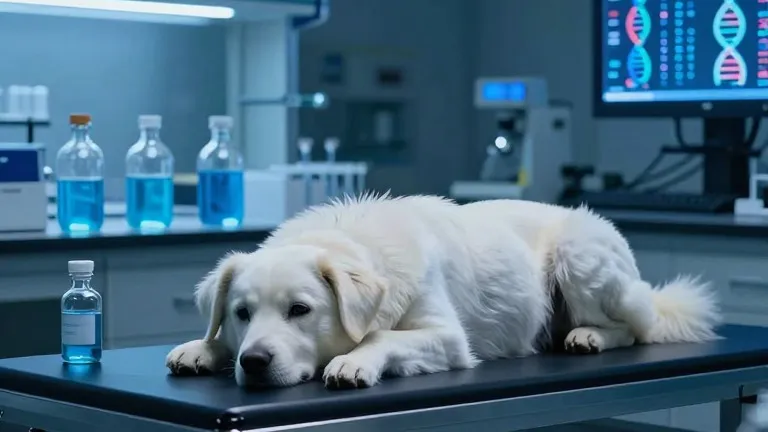
Warhound, a startup founded by Palmer Luckey, has raised $200 million to genetically modify dogs for military service. The company stated on October 23, 2026, that the enhanced animals will detect explosives and assist in troop protection. Sequoia Capital is among the investors funding the venture.
Colossal Biosciences is supporting the project by handling the cloning and gene-editing processes. The collaboration aims to integrate biological advancements into standard military operations. No specific timeline for the deployment of the first gene-edited canines was announced.
The funding follows a period of increased interest in biotechnology for defense applications. Luckey previously founded the virtual reality company Oculus and the electric vehicle manufacturer, which he later left. Warhound represents his latest foray into hardware and biological engineering.
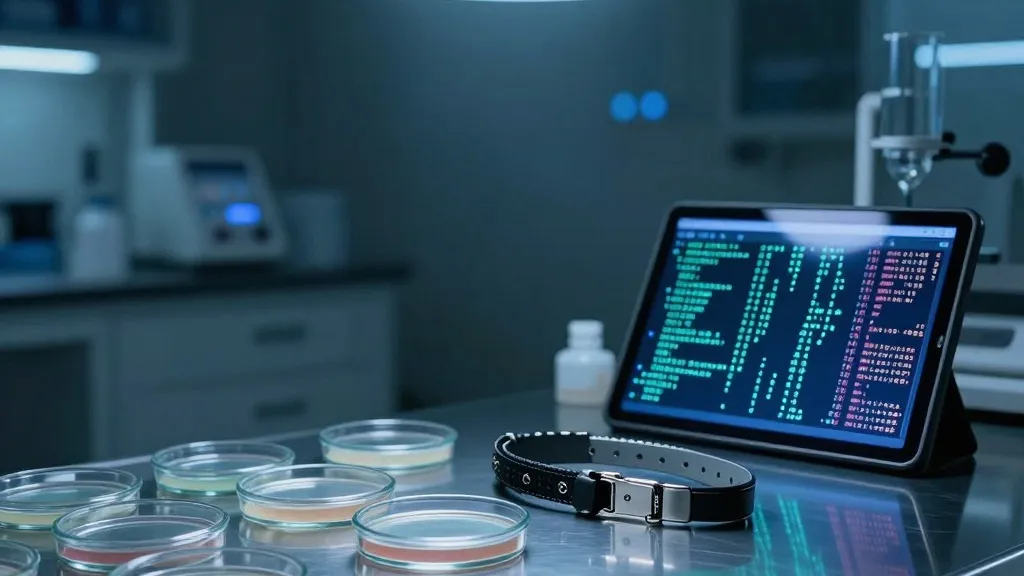
The company plans to utilize prime editing and other genetic tools to alter the dogs' sensory organs. These modifications are intended to sharpen their ability to identify specific chemical signatures associated with ordnance. The startup has not disclosed which specific genes will be targeted in the initial trials.
Investors are betting that biological augmentation can provide a tactical advantage over electronic detection systems. The $200 million raise positions Warhound as a major player in the emerging field of military biotech. Colossal Biosciences brings expertise in resurrecting extinct species and cloning, which it will apply to the canine project.
The startup has not confirmed when the first modified dogs will enter training or field tests. Officials at the Department of Defense have not yet commented on the potential integration of Warhound's animals into existing units. The company remains private, and details about its internal research pipeline are limited.