Paraguayan Senate Ousts President Over Bank Collapse
Santiago Peña faces house arrest and criminal charges after the seizure of Ueno Bank froze access to savings for millions of citizens.
By Sarah Montgomery ·
Paraguayans who rely on digital banking found their accounts frozen this week when regulators seized Ueno Bank, a move that triggered a rapid political crisis. The collapse locked nearly half of the country's 6 million residents out of their savings, forcing the government to intervene and eventually remove the president from power.
President Santiago Peña was placed under house arrest on Friday in Asunción. He faces charges of breach of trust, influence peddling, and using public office for personal gain. Prosecutors say the most serious offenses carry a prison sentence of up to 10 years. He must appear before prosecutors on Saturday morning.
All 44 senators present voted to remove Peña for misconduct in office. This makes him the second Paraguayan president to be ousted by impeachment since the end of Alfredo Stroessner's dictatorship in 1989. The vote stripped Peña of his political immunity, which he would have kept had the Senate accepted his earlier resignation offer.
Lawmakers accuse Peña of steering hundreds of millions of dollars in public funds into Ueno while regulators ignored risky insider lending. They also cite his previous ownership stake in Ueno's holding company and his appointment of Carlos Carvallo as central bank chief in 2023. Carvallo had previously run the finance company that became Ueno. Prosecutors have ordered Carvallo's arrest, though it was not immediately clear if he was in custody.
Vice President Pedro Alliana was sworn in as president on Friday to serve out the term ending in August 2028. Alliana is also under investigation regarding the bank. He stated that the country has urgent needs and inherits a government under pressure to return depositors' money.
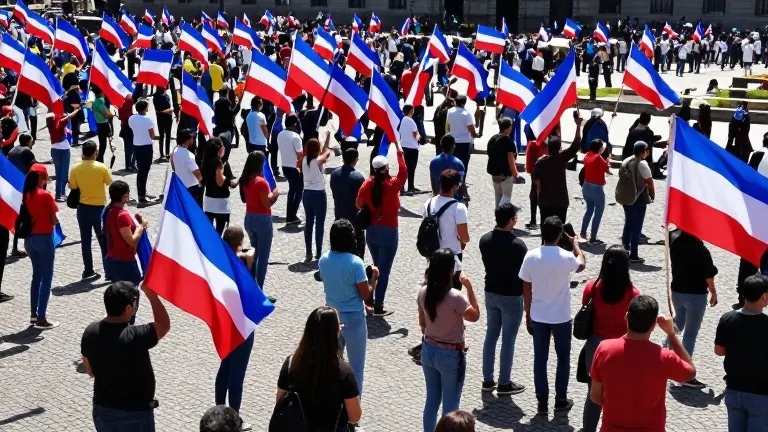
Public anger in Asunción intensified as the Senate deliberated. Protesters marched through downtown chanting for Peña's imprisonment. Yinal López, a worker at the state electricity company, said the president made a mockery of the people. Her employee pension fund held money at Ueno, and many workers feel betrayed by the loss of access to their savings.
Ueno had aggressively targeted poor and unbanked citizens, offering supermarket rebates that led more than 1 million Paraguayans to open their first accounts there. Even members of the national soccer team, which Ueno sponsored, reported they could not access their funds. The bank's failure also shut down a ride-hailing app, leaving 3,000 drivers without work, and trapped $21 million in public works loans.
Regulators began releasing money to some depositors on Thursday, starting with those holding up to 10 million guaraníes. The central bank says insurance covers deposits up to about $35,000, which protects 97% of customers. It describes the collapse as an isolated case and asserts the wider financial system remains stable.
Peña denied wrongdoing in a farewell message, saying he did not want his presence to cause greater division. He noted the anguish of those waiting for answers. His fall from a respected international ally to a house arrestee happened in three days. He had met with US Treasury Secretary Scott Bessent in late October before the bank was seized before dawn on Tuesday.
Political analysts point to Peña's rivalry with his mentor, former President Horacio Cartes, as a key factor. Cartes, who backed Peña's rise, publicly called for his ouster after Ueno collapsed. José Tomás Sánchez, a professor at the National University of Asunción, said the central bank lost its neutrality to favor Ueno's business group. The bank had grown to hold more than $800 million in public money in just a few years.
Authorities have seized luxury cars, a yacht, and two small planes linked to Miguel Vázquez, Ueno's founder. Prosecutors have charged 27 people, including Vázquez, with crimes like attempted fraud. A judge ordered six former directors, including Vázquez, to remain in pretrial detention.