Google locks in 50MW from Quaise for Oregon data center
The startup will use a gyrotron to melt rock beneath the Newberry Volcano, with power delivery targeted for 2030.
By Harper Laurent ·
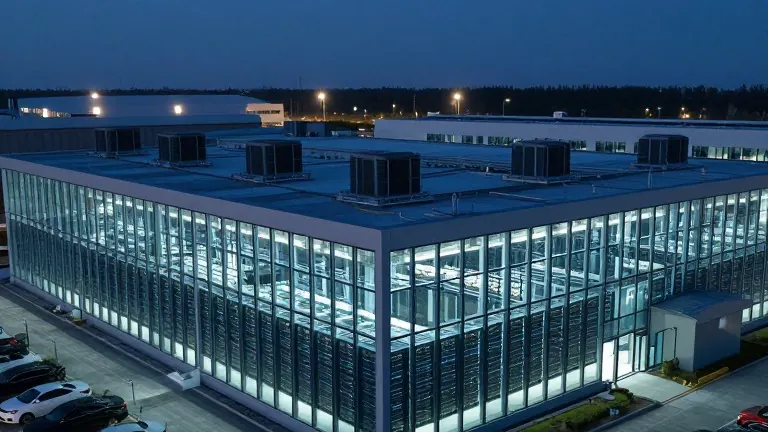
Google has signed a power purchase agreement with Quaise Energy to secure 50 megawatts of electricity for its data centers in The Dalles, Oregon. The deal, announced on Tuesday, values the arrangement at more than $500 million, according to the Wall Street Journal. Neither company has confirmed the exact price or the specific terms of the contract.
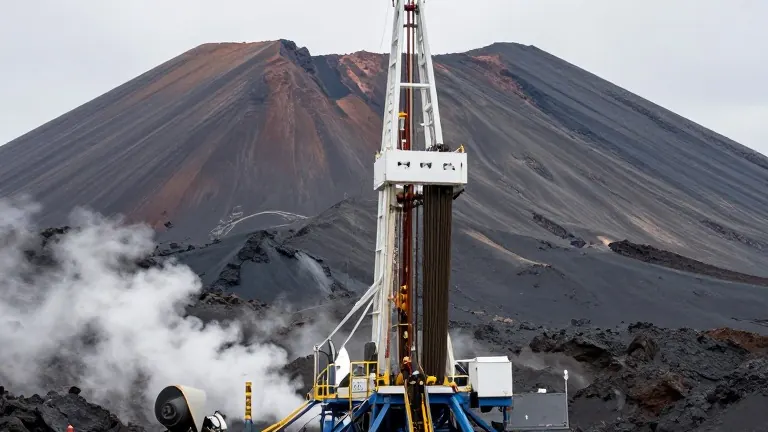
The project targets a site called Project Obsidian, situated on the flank of the Newberry Volcano in central Oregon. Quaise plans to begin delivering power to Google as early as 2030. The site is located in a region with high geothermal potential, but the method of extraction is unproven at scale.
Traditional geothermal drilling uses mechanical bits to grind through rock. Quaise uses a different approach. The company employs a device called a gyrotron, which was originally developed for fusion research. The gyrotron generates millimeter waves that melt the rock, allowing wells to reach deeper levels and higher temperatures than standard drilling permits.
Tech firms are seeking stable power sources to handle the energy demands of artificial intelligence. Geothermal energy provides a constant supply of electricity, unlike solar and wind which vary by weather and time of day. This consistency is a key factor for data centers that run continuously.
Quaise Energy has secured investment from Nabors, a major oilfield services company. This partnership combines traditional energy expertise with the startup’s new technology. The involvement of an established firm adds weight to the project’s goals in the renewable energy sector.
Bernstein analysts described the deal as a bet on a first-of-its-kind technology. They noted that Quaise’s field record is limited to shallow demonstration holes rather than fully produced wells. Project Obsidian will serve as a proof point for the company’s rock-melting approach in a large-scale application.
Morgan Stanley analysts highlighted recent advances in geothermal technology earlier this month. They observed that tools driving these improvements are similar to those that enabled the shale revolution in oil and gas. The firms suggested that geothermal energy may enter a phase of rapid growth to meet the demand for clean power from AI infrastructure.
More Business · National news · Business Complaints · Report a business · Got a Story?