UK Restaurant VAT at 20% vs 12% European Average Drives Gulf Move
Fallow, Scott's, Gymkhana and others are opening in Dubai and Abu Dhabi while Amnesty warns of labour rights issues for migrant workers in the UAE.
By Sarah Montgomery ·
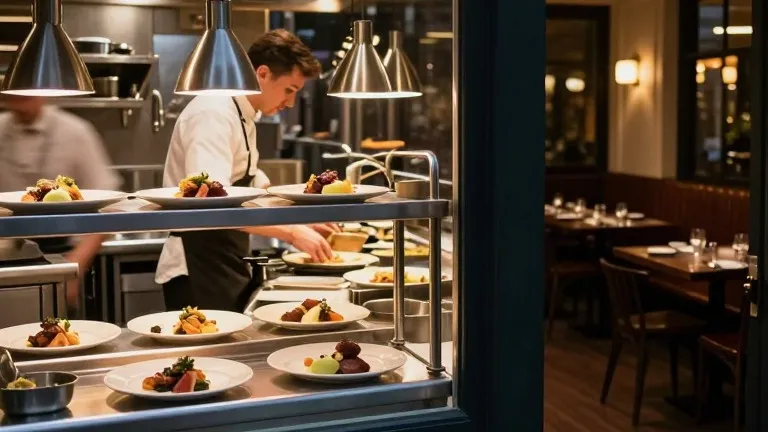
London restaurants are opening in the Gulf while UK hospitality VAT sits at 20%, against a European average near 12%. That gap is central to the decision by James Robson, co-owner of Fallow in St James's Market, to sign a deal this week for an outpost in the region.
Fallow serves 1,000 people a day and draws 650,000 followers on Instagram, where its cod's head dish in spicy butter sauce helped build its audience. Robson said from Hong Kong that he is also looking at East Asia and the United States. "America champions business, the Gulf actively encourages and assists, whilst east Asia has a work ethic and taxation system that puts the UK to shame," he said.
Fallow is not alone. Scott's of Mayfair, Gymkhana, Park Chinois and Bread Ahead have opened in Dubai, while Isabel's has gone to Abu Dhabi. Jason Atherton, who holds Michelin stars, spends a third of his time at his Dubai restaurant and says profit comes easier there than in London.
The UK charges 10% VAT on restaurant food in Italy, against 20% in Britain. Robson also points to 25% corporation tax and dividend tax at 40% or more. He expects more tax changes in the budget set for next week and has asked that VAT move closer to European levels. Chefs are pressing Andy Burnham for a cut in that budget.
Expansion into the Gulf continues despite the war in Iran earlier this year, which left Dubai under bombardment and pushed many expats out. Dinner by Heston has stayed shut since that period. The Michelin guide came under criticism this month for listing 16 closed venues, after some inspections took place before the war.
Amnesty International has a different view of the Gulf opportunity. Felix Jakens, the group's UK campaigns director, points to the UAE's record on workers' rights. He notes migrant workers make up the majority of the country's population and stay bound by a sponsorship system that ties them to employers, which can expose them to abuse.
Jakens says these workers cannot form trade unions, and he asks any UK business going into the Gulf to carry out human rights checks so kitchen staff are paid fairly and can raise issues without risking a job or a visa. Robson says he does not resent paying UK tax, but argues the risk and reward in the UK no longer balance, so he is putting growth plans abroad.
The UAE spends heavily on its image in the UK, including through Manchester City. Jakens says that spending should not distract from how workers are treated.