Wolves enter villages after Google clears forest for data centers
Unauthorized clearing of woodland near Otanmäki has displaced wildlife, leading to increased sightings in nearby Finnish communities.
By Harper Laurent ·
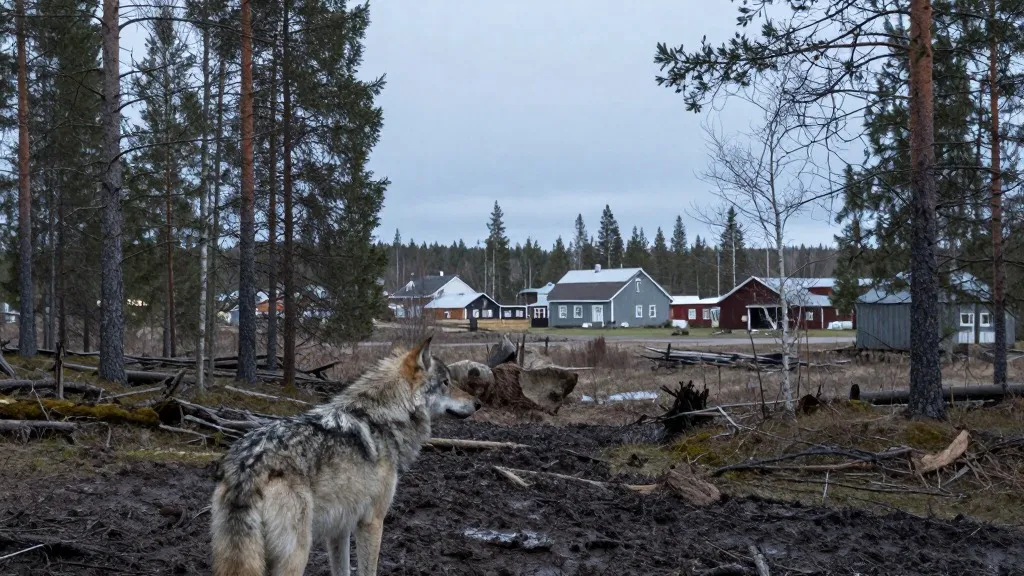
Wild wolves have begun roaming into villages near Otanmäki, Finland, following the extensive clearing of forest land for new AI data centers. The displacement of these animals has created a tangible safety concern for local residents, who report that the wild creatures are moving closer to human settlements in search of new territory. This shift in animal behavior marks a significant escalation in the tensions surrounding the development project.
The situation stems from unauthorized forest clearings near Muhos, where approximately 816 acres of woodland have been transformed into an expanse of mud. Additionally, officials have ordered work to cease on another roughly 500 acres of cleared land located 55 miles southeast of Otanmäki. Google’s Finland country manager has issued an apology for the unauthorized activities, acknowledging the environmental impact of the construction efforts.
Anni Ranta, 53, a resident of Otanmäki whose family has lived there for generations, explained that the wolves are entering the village because the local wildlife has been forced out of the forest. Ranta also expressed a separate concern, noting that the presence of U.S.-owned data centers may make Finland a more attractive target for Russian aggression. Her comments reflect a broader mix of environmental and strategic anxieties within the community.
Local anger has continued to grow over the damage to the Finnish forests, with many residents feeling that the tech giant disregarded regulations in its rush to build. The complaints extend beyond the presence of wolves. Residents have cited construction noise, streams turning brown, and the displacement of rare bird species as additional negative side effects of the rapid development. These grievances mirror similar concerns voiced in other countries targeted by AI infrastructure projects.
A representative of the Finnish Association for Nature Conservation described Google’s handling of environmental policy as unprecedented and clear in its flouting. The Finnish Licensing and Supervision Authority, known as LVV, agreed with this assessment and issued an order for Google to stop development near both Muhos and Otanmäki. This regulatory action follows a notice given to the company earlier this month regarding its construction activities in these areas.
Despite the regulatory orders and local outcry, a Google spokesperson maintained an optimistic tone. They stated that the company will fully comply with the LVV’s requests and look forward to maintaining an active, open dialogue with authorities. The company aims to strengthen its partnership with Finland and local organizations, likely hoping that the promised business benefits of the data centers will help sway regulators and the government in its favor.