Sub-Second Capture: Runners Use Smart Glasses to Film Road Crossings
A writer turned Meta smart glasses into an automated evidence tool, reducing the time needed to start recording a potential accident to less than one second.
By Harper Laurent ·
Runners face a distinct vulnerability when sharing road space with motor vehicles, yet most lack the standardized safety equipment that drivers use to record incidents. While cars frequently carry dashcams, pedestrians and runners often have no easy way to document a near miss or collision. This gap in personal safety technology has led some athletes to repurpose existing consumer electronics for a new purpose: instant video evidence.
The practice gained recent attention through the account of Nick, a writer for 9to5Google who began running this summer. Nick noted that the activity felt counterintuitive, citing friends who questioned the logic of running without a pursuer. Despite the lighthearted criticism, Nick reported feeling a need to accelerate to avoid vehicle contact, particularly when crossing streets. This anxiety prompted a search for a recording method that did not require holding a phone or using a cumbersome armband holster.
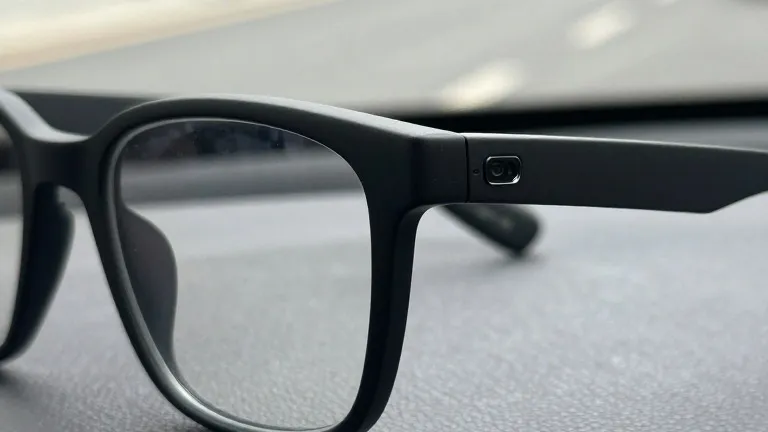
The solution came from gear Nick already used. The writer had been wearing Meta smart glasses during runs to capture short clips for the fitness app Strava, often overlaying health data from a smartwatch. Nick realized the built-in camera could serve as a backup recorder for the road. By holding a physical button on the frame, Nick can start recording in under one second. The process is manual but rapid: the user holds the button to begin and presses it again to stop.
The hardware setup requires no major changes to a typical running routine. Nick alternates between Meta Nova and Oakley Meta HSTN models. Both devices record in three-minute segments, a duration chosen to ensure that a brief interaction with a vehicle is fully captured before the file saves. Video files remain stored locally on the glasses until the user reconnects the device to a smartphone, at which point the data syncs automatically.
Nick describes the system as a low-effort form of insurance. The writer suggests that for new buyers, a camera-equipped model is essential, despite some consumer pushback against the feature. For those seeking the best fit and style for running, Nick recommends the Oakley Meta HSTN. For a lower price point, the standard Meta-branded pairs offer identical functionality. Rokid AI Glasses are cited as the preferred alternative for users who wish to avoid the Meta ecosystem entirely.
The shift positions smart eyewear as a practical tool for personal safety rather than just a social media accessory. By combining the convenience of hands-free wear with the immediacy of sub-second activation, runners can now document their interactions with traffic without interrupting their pace. The method relies on the user’s awareness to initiate the recording, but the hardware eliminates the delay usually associated with reaching for a smartphone.