Senate passes energy permitting bill 62-33
The Bipartisan American Affordability and Jobs Act of 2026 shortens review timelines for power infrastructure and requires data centers to cover their energy costs.
By Sarah Montgomery ·
Sixty-two senators voted yes and thirty-three voted no on the energy infrastructure package that cleared the chamber Thursday. The tally marks the first major legislative action by Congress following the midterm elections that shifted power away from President Donald Trump and congressional Republicans. The bill, formally titled the Bipartisan American Affordability and Jobs Act of 2026, now moves to the House, where a more limited version passed last year.
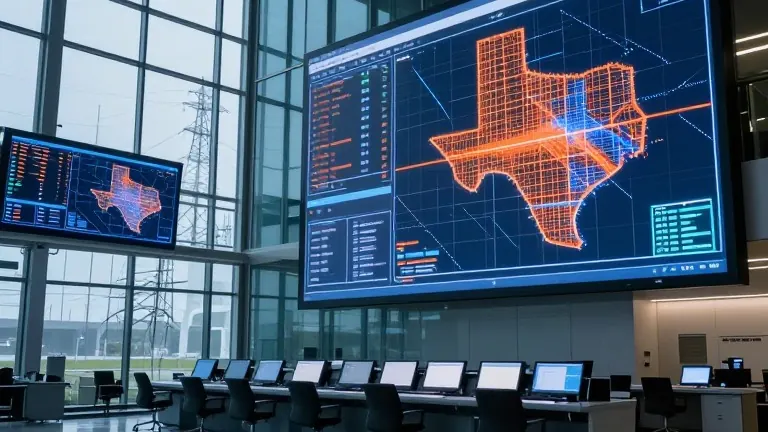
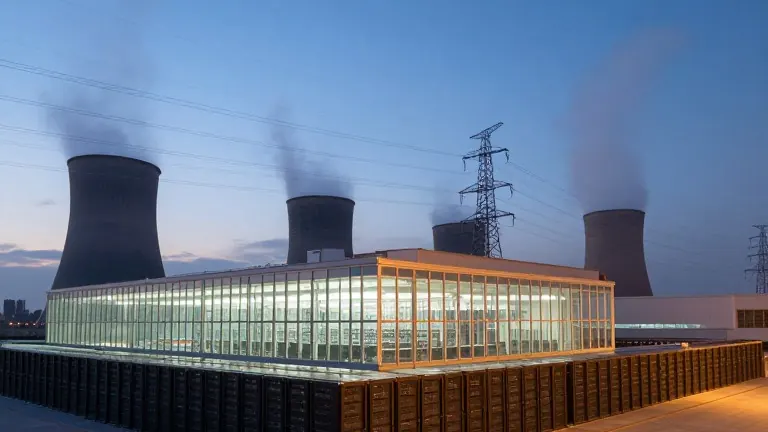
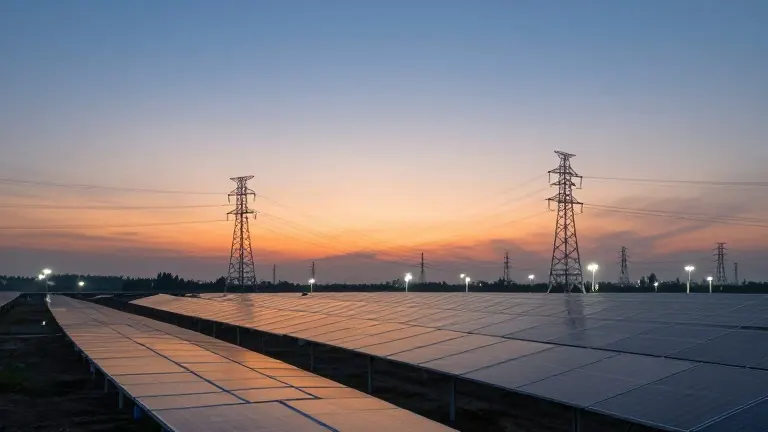
The legislation aims to reduce the time required to approve power plants, transmission lines, and pipelines. Sponsors argue that current review processes often take five years or more, keeping projects in a planning phase while utility rates rise. The bill would overhaul environmental statutes, including the National Environmental Policy Act, Clean Water Act, and Endangered Species Act, to streamline these approvals. A key provision mandates that data centers pay for the electricity they consume, a measure intended to address public frustration over rising prices linked to energy-hungry facilities.
Fifteen Democrats joined the Republican majority in supporting the measure. Senate Minority Leader Chuck Schumer was among those voting in favor. Two Republicans, Josh Hawley of Missouri and Mike Rounds of South Dakota, cast votes against the bill. The four lead sponsors, two from each party, negotiated the final text weeks before the election. They include Republican Senators Shelley Moore Capito of West Virginia and Mike Lee of Utah, and Democratic Senators Martin Heinrich of New Mexico and Sheldon Whitehouse of Rhode Island.
Critics argue the bill weakens environmental safeguards and locks in fossil fuel development. Jen Duggan, executive director of the Environmental Integrity Project, described the measure as a backroom deal that sacrifices public health protections. She said the bill acts as a gift to major polluters and was rushed through a lame-duck Congress without sufficient public hearings. Duggan and other opponents contend that while the bill aids renewable energy, the likely increase in greenhouse gas emissions from fossil fuels outweighs those benefits.
Oregon Senators Jeff Merkley and Ron Wyden attempted to delay the final vote to add amendments. Their proposals included a ban on data centers in public lands and a check on the administration’s ability to cancel clean energy grants for political reasons. Majority Republicans blocked votes on these changes. Merkley stated that the sponsors broke promises of a robust amendment process. He noted that promoting more fossil fuel burning undermines efforts to tackle climate change, even as the bill facilitates renewable energy projects.
Wyoming Senator John Barrasso, the No. 2 Republican in the Senate, defended the timeline changes. He stated that energy projects remain frozen for years in a regulatory penalty box, driving up costs. Barrasso said construction cannot begin until agencies spend years in review, a process he described as too long and too expensive for American families. He emphasized the need to lower prices by allowing infrastructure development to proceed faster.
Tribal leaders and conservation groups raised concerns about the impact on sovereignty and natural resources. Oneida Nation Vice Chairman Jameson Wilson said the bill threatens the tribe’s ability to protect sacred spaces and traditional ceremonies. He argued that accelerating development must strengthen, not erode, tribal consultation. Washington Senator Maria Cantwell, who met with tribal and conservation leaders Tuesday, said the bill was rushed and could undermine protections for water, land, and wildlife. She called for a formal process to debate the measure rather than passing it as currently drafted.
Sheldon Whitehouse, one of the bill’s co-sponsors, characterized the legislation as the floor, not the ceiling, of climate aspirations. He expressed hope that the new Democratic majorities in Congress would pass stronger measures in the coming two years. Former Energy Secretary Jennifer Granholm suggested that a larger Democratic majority could write a stronger bill, though it would still require the president’s signature. California Senator Alex Padilla voted against the measure, citing provisions he believed would irreparably harm the state and its federally recognized tribes.