Launch Industry: SpaceX declines three Space Force bids
The company rejected the military contracts, while PLD Space confirms its Miura 5 rocket is near final integration for a 2027 debut.
By Harper Laurent ·
The commercial launch market saw a series of developments on Thursday that shaped the near-term outlook for both government and private spaceflight efforts. These updates covered contract negotiations in the United States, vehicle integration in Spain, and capital raising in Canada.
SpaceX turned down three launch contracts proposed by the US Space Force, according to the October 23 Rocket Report. The company communicated its decision to the military branch, effectively closing the door on those specific deals. This refusal stands as a notable shift in the relationship between the largest commercial launch provider and the primary US military customer for space access.
On the civil side, a NASA safety panel issued a warning regarding the Starship program. The panel indicated that the vehicle may require up to 22 separate refueling operations to support a lunar landing mission. This high number of fueling stops suggests that the mission architecture will place substantial demands on the vehicle's systems and operational procedures.
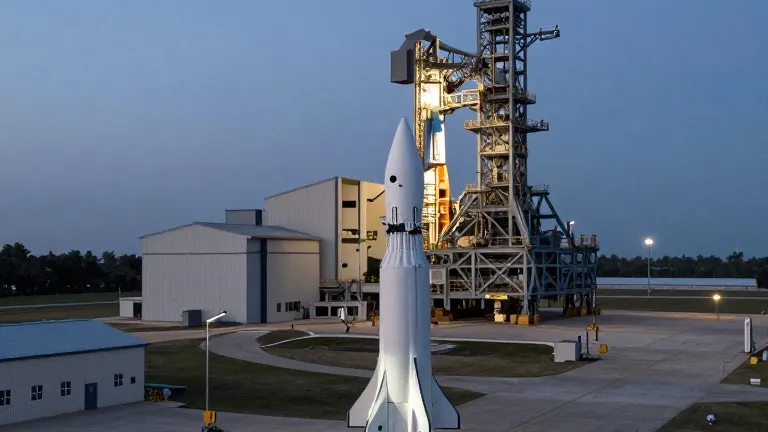
In Spain, PLD Space reported that its Miura 5 small-lift rocket is approaching the final stages of assembly. The company has built three versions of the vehicle, with one now undergoing final integration. CEO Raúl Torres stated on October 19 that the simultaneous construction of all three rockets allows teams to apply lessons learned during qualification directly to the launch vehicle. The first of these rockets is scheduled to fly before mid-2027.
The Miura 5 second stage is currently at the PLD facility in Teruel, Spain. Engineers are preparing to begin system-level testing under representative operating conditions. The qualification campaign for this stage includes a wet dress rehearsal and a static hot-fire test. The other two Miura 5 vehicles are designated to qualify key system elements, ensuring the primary launch vehicle is fully supported by proven components.
Across the Atlantic, Reaction Dynamics in Canada announced it is seeking to raise $350 million in new funding. The startup, one of three prominent launch companies in the country, plans to use the capital to expand its workforce from 68 employees to more than 350. The company is developing the Aurora small-lift rocket, which it targets for its first orbital flight in 2028. It also outlined plans for the Borealis medium-lift vehicle, with a debut targeted for 2031.