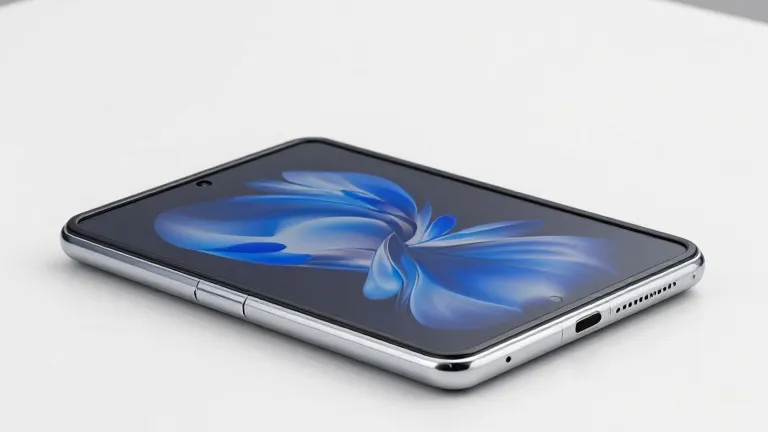
iPhone Duo Launch: Walk-in stock scarce despite 23,000 unit sales
Apple sold 23,000 units of its first foldable phone on launch day, but retail shelves emptied quickly, prompting staff to direct customers to the app for restocks.
By Malik Salazar ·
Apple sold 23,000 units of the iPhone Duo on Friday, October 23, marking the first day of sales for the company's new foldable smartphone. While the device launched globally, physical inventory at retail locations proved limited, creating immediate logistical challenges for shoppers who preferred in-person transactions.
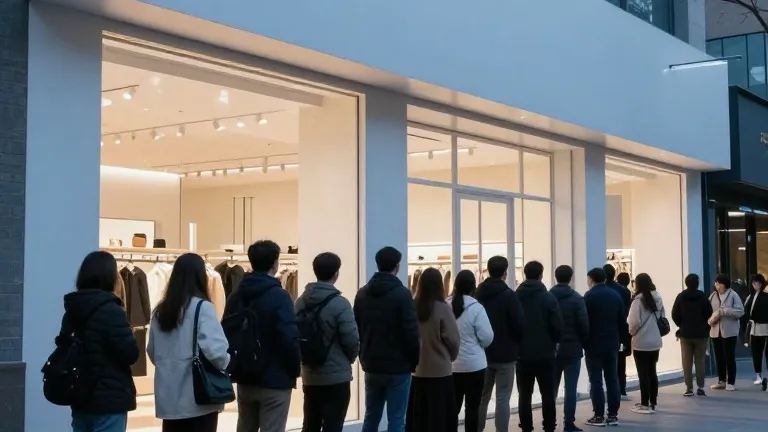
Store employees reported that walk-in stock ran low shortly after opening. To manage the demand, staff advised disappointed customers to check the Apple Store app at 10 a.m. Eastern Time on Saturday. This update would provide specific details on which stores had replenished their shelves, effectively shifting the primary point of sale from the physical counter to a digital inventory tracker.
Senior Apple leadership visited various locations to oversee the debut. CEO John Ternus was present at the Domain NORTHSIDE store in Austin, Texas, alongside retail chief Deirdre O'Brien. In New York, senior vice president of worldwide marketing Greg Joswiak joined retail executive Vanessa Trigub at the flagship Fifth Avenue location. These visits coincided with a week in which Ternus also toured Apple's Austin offices.
The launch timing aligns with other major events in Austin, which is hosting the Formula 1 United States Grand Prix this weekend. Apple serves as the exclusive F1 streamer in the United States, a partnership that may have increased local foot traffic. The company had previously warned in a press release that retail inventory would be "limited," a prediction that materialized as lines formed outside stores overnight.
Apple published photos from the launch in a press release issued on Friday morning. The images showed customers inside stores receiving hands-on demonstrations of the device. The company also provided tailored shopping help to attendees. Readers of technology news outlets shared their own local observations, confirming that the scarcity of physical units was a common experience across multiple cities.