German Officials Vow to Rebuild Hitler's Mountain Retreat After Fire
A suspect has been detained following a blaze that consumed the historic Kehlsteinhaus, prompting a debate over how to restore the site while preserving its historical significance.
By Malik Salazar ·
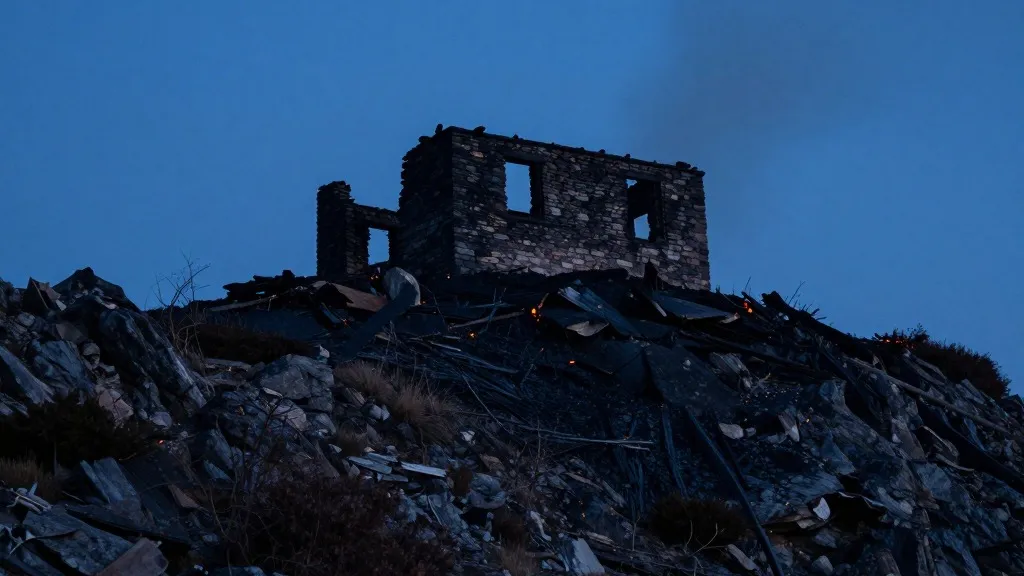
At 9:15 p.m. on Friday, emergency crews were summoned to a mountain peak in the Bavarian Alps where the Eagle's Nest, the former retreat of Adolf Hitler, was completely engulfed in flames. The structure, located at an elevation of 6,017 feet, sustained significant damage in the blaze that has now become the subject of a criminal investigation. No one was found inside the building when the fire started, and authorities reported that no injuries resulted from the incident.
The path to this event is rooted in the building's complex history. Completed in 1938, the Kehlsteinhaus served as a temporary seat of government for Hitler during World War II. Remarkably, the structure escaped Allied bombing during the war, leaving it largely in its original state. In the decades that followed, the site transformed into a popular tourist destination and a functioning restaurant and beer garden. Its own website has long described the location as one of the few undamaged monuments from the Hitler era, noting that it stands for the insanity of the regime.
The timeline of the recent events moved quickly. Police from Upper Bavaria South stated that they received the call for the fire on Friday night. By the time firefighters arrived at the scene, the building was already fully ablaze. Investigators moved swiftly to identify a suspect, and shortly after the flames were reported, one individual came into focus. Authorities have since taken this person into custody. The cause of the fire remains under active criminal investigation, and police noted that there are currently no indications that anyone else was involved in the incident.
The suspect is a 33-year-old German citizen with ties to the Berchtesgaden area, although he does not currently reside there. Prosecutors have indicated that the man showed signs of mental illness and will be sent to a psychiatric facility for evaluation. They have also stated that they will examine whether a political motive played a role in the fire, a consideration given the profound historical weight of the building. The suspect has already been questioned by authorities as part of the ongoing inquiry.
Logistical challenges compounded the emergency response. Police authorities explained that crews faced difficulties in transporting fire trucks to the site due to the local conditions of the mountainous terrain. Despite these obstacles, the response team managed to reach the location, though the intensity of the fire had already compromised the structural integrity of the retreat. The swift identification of a suspect has provided a focal point for the investigation, even as the full extent of the damage is assessed.
Bavaria's interior minister, Joachim Herrmann, addressed the media in Berchtesgaden to outline the next steps for the site. He confirmed that the Eagle's Nest will be rebuilt, ending any speculation about the structure remaining a ruin. Herrmann emphasized that the future appearance of the site will be determined through discussions with local officials, historians, and preservationists. He expressed confidence that a sensible solution could be found to balance the need for restoration with the historical context of the building.
The minister also highlighted the importance of continuing the work of remembrance associated with the site. For a politically mixed audience, the fire raises questions about how to handle a physical symbol of a controversial past. The decision to rebuild suggests a preference for maintaining the site as a place of historical reflection rather than allowing it to decay into a mere ruin. The involvement of historians in the planning process indicates an intent to ensure that the reconstruction is thoughtful and accurate.
As the investigation proceeds, the focus will shift from the immediate aftermath of the fire to the long term planning for the site. The suspect's potential mental health issues and the possible political motive add layers of complexity to a case that already carries significant symbolic weight. The coming weeks will likely see detailed assessments of the structural damage and the beginning of formal talks regarding the design and purpose of the rebuilt Eagle's Nest.
The incident serves as a stark reminder of the physical and historical legacy of the Kehlsteinhaus. While the fire has caused substantial damage, the commitment to reconstruction underscores the region's desire to keep the site accessible and meaningful. The balance between preserving the past and creating a functional future for the building will be a central theme in the discussions ahead. For now, the focus remains on the criminal investigation and the well being of the suspect as he undergoes psychiatric evaluation.