Federal Draft Would Mandate Specific Cyan Lighting for Driverless Cars
NHTSA proposes optional blue-green lamps to standardize how autonomous vehicles identify themselves to other drivers.
By Malik Salazar ·
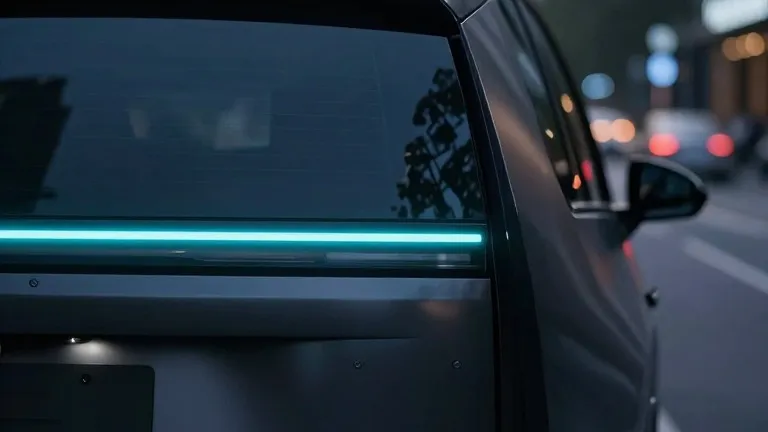
The National Highway Traffic Safety Administration (NHTSA) has proposed a specific color for driverless vehicles: cyan.
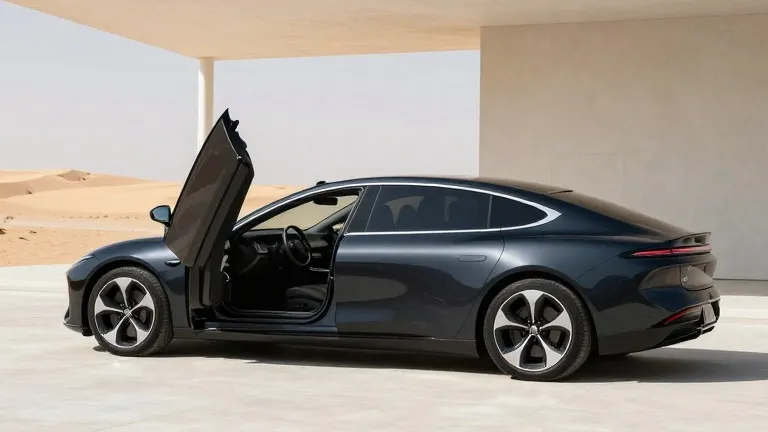
The agency released draft amendments to Federal Motor Vehicle Safety Standard No. 108, which controls vehicle lighting. The revision targets autonomous cars and aims to simplify regulations for vehicles without human drivers. It also seeks to create a uniform way for robotaxis to signal their status to surrounding traffic.
NHTSA states that cyan marker lamps would clearly signal to law enforcement and other road users when an automated driving system is in control. The agency chose this hue because red, amber, white, and flashing blue or red lights already serve specific functions such as braking, turning, and emergency use. Cyan fills a visual gap without creating confusion.
The cyan lights would remain optional for manufacturers. However, if a company installs them, federal rules would dictate the exact color, brightness, and placement. This approach prevents a patchwork of different signals from different brands. Companies like Waymo, Nuro, Zoox, GM, and Mercedes would use the same configuration.
The proposal also removes outdated requirements that do not apply to driverless cars. Current rules demand physical hazard switches, manual beam shifters, and turn levers inside the vehicle. NHTSA would eliminate these mandates. The draft also updates the 12.8-volt testing standard to accommodate modern LED systems and considers dropping rules about the vertical position of high-beam lights relative to low-beam lights.
These changes align with a wider Department of Transportation effort to accelerate the deployment of autonomous vehicles. The goal is to make it easier for automakers to build cars without traditional human controls like steering wheels and pedals.
Regulators currently enforce existing rules as written. Last month, NHTSA opened an audit query into the Tesla Cybercab to examine the technical data Tesla used for certification. The agency is concerned about the absence of sideview mirrors, pedals, and a steering wheel, which are required under current federal standards.
More Business · Tech news · Business Complaints · Report a business · Got a Story?