Christchurch Surf Club Unveils Sensory Kit for Overstimulated Beachgoers
A local surf lifesaving group has created a pack of tools to help neurodivergent visitors manage sensory overload at Taylors Mistake.
By Malik Salazar ·
For many residents of Christchurch, a visit to the coast offers a break from daily routines. For neurodivergent individuals, however, the same environment can trigger intense physical or emotional reactions. The Taylors Mistake Surf Life Saving Club is introducing a specialized kit designed to mitigate these effects, a step the group describes as a New Zealand first.
First aid officer Gina Eccersall developed the concept after seeing a similar product used by first responders in the United States. She encountered the idea on social media roughly two months ago and decided to adapt it for local beach conditions. "I thought, that could work for us too," she said. The inspiration came from Carter kits, which are clinically approved sensory tools used by emergency services across the US.
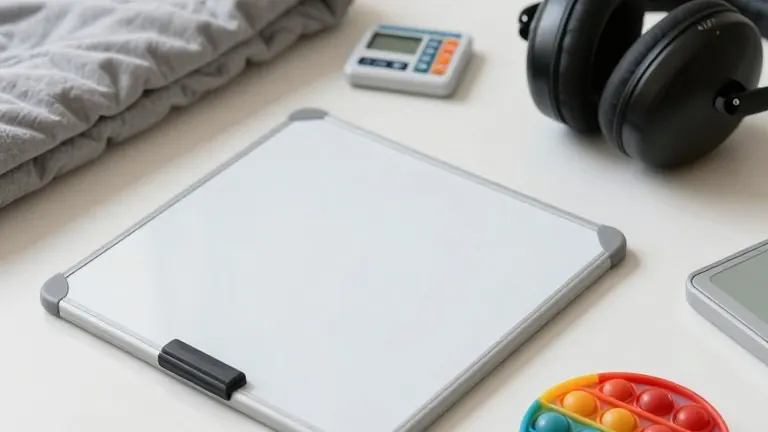
The bundle is stocked with items intended to help users communicate their needs and calm their nervous systems. It features a double-sided whiteboard for non-verbal communication and an Etch-A-Sketch for drawing. To address specific sensory triggers, the kit includes earmuffs, sunglasses, and an eye mask. Additional components include a sticker book, fidget toys, and a weighted blanket.
The club currently holds one pack, which will be stored in the clubrooms. It will be available for use during first aid situations beginning November 7, when summer patrols start. Eccersall noted that the initiative is low-cost and low-risk, as she purchased all items from Kmart using the club's existing funds. She plans to expand the collection if the current pack proves popular among visitors.
Eccersall, who is neurodivergent herself, understands the rapid shift from enjoyment to overwhelm that can occur in crowded or loud environments. "It can tip from being an enjoyable sensory experience to an overwhelming one quite quickly," she said. She believes providing clear information helps people understand how to manage the beach environment.
The officer has already received support messages from other neurodivergent individuals and inquiries from other surf clubs interested in adopting the model. The group is also adding a website page detailing the beach layout to assist with planning visits. Additionally, the club is introducing training for its members to better support people experiencing distress.
The beach presents multiple sensory inputs, including the feel of sand, the sound of waves, and the presence of crowds. Eccersall said the goal is simply to provide people with the tools and information necessary to navigate the space comfortably. She finds the response from the community rewarding, noting that feedback indicates the idea has resonated with those who need it most.