
Celtic Coin Hoard Found in Hungary
Contractors excavating an E.on substation in Szombathely unearthed 208 ancient silver coins and other artifacts from the Iron Age.
By Malik Salazar ·
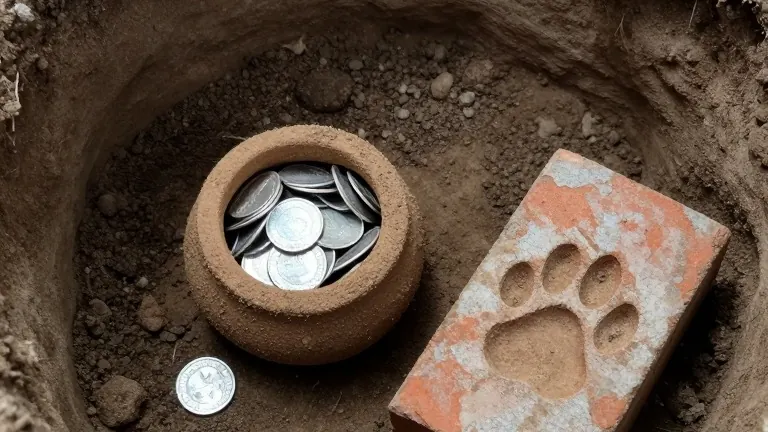
E.on announced the discovery of a hidden collection of ancient silver coins at the construction site of a new electricity substation in Szombathely, Hungary. The utility company stated that workers uncovered 208 Velemian tetradrachms, which date back more than 2,000 years. The total weight of the coins exceeded two kilograms.
The coins were located in a shallow pit approximately 30 centimeters below the surface. Some of the currency was stored in a small container. Archaeologists initially detected a few coins during routine excavation. They subsequently used metal detectors to locate the remainder of the hoard.
The excavation also yielded several other historical objects. These items include a polished stone axe estimated to be nearly 7,000 years old. Workers also recovered a glass bead with a peacock-eye pattern, which dates to the Early Iron Age between 700 and 600 BCE. A brick fragment bearing the footprint of a Roman dog was also among the finds.
The substation, valued at 17 million pounds, is being built on land that previously hosted a Roman villa farm. Although the original structures were demolished long ago, archaeologists partially reconstructed the floor plan of the central building. The brick with the dog's paw print likely covered the building's underfloor heating system.
All recovered artifacts will be displayed at the Savaria Museum in Szombathely. The site's history as a Roman agricultural complex provided the context for the varied dating of the objects found during the project.