Blue Planet III Keeps Cloudy Shots to Prove Reality
Producers left imperfections in the footage to reassure viewers the ocean scenes are real, not generated by AI.
By Harper Laurent ·
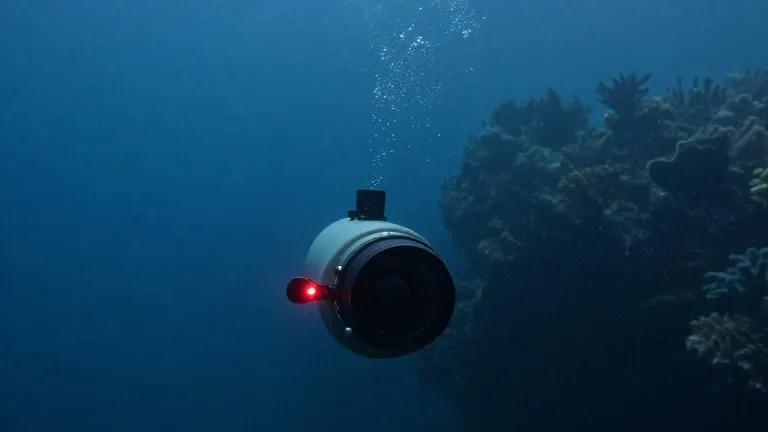
The water in the new ocean documentary is not clear. It is cloudy, cluttered with plankton, and occasionally framed by a boat or a buoy. The production team of Blue Planet III made a deliberate choice to keep these imperfect elements in the final cut. Their goal is to signal to audiences that the footage is genuine, not a digital fabrication.
The series arrives nearly a decade after Blue Planet II and 25 years after the original. Executive producer Elizabeth White explained that the rapid rise of AI has pushed the team toward a more organic aesthetic. "AI makes us want to be even more authentic," White said. She noted that the creatures filmed in the deep ocean are "probably more remarkable than AI could imagine and it's completely real."
In previous productions, editors might have rejected shots with poor water visibility or removed background distractions. Now, those details are retained. White described the approach as "really leaning into that authenticity." She expects the team will embrace even murkier imagery in the future as AI technology continues to advance.
Jack Bootle, the BBC's head of specialist factual commissioning, offered a specific guarantee to journalists at a press screening. "No gen AI was used in this series. Not a single frame. It's all real photography," he stated. He added that while viewers may feel they have seen it all before, the new programme is "bursting with novel behavior."
The series features new animal behaviors captured over four years of filming across five oceans. Dolphins are shown using sea sponges to plug holes in coral reefs to trap fish. This specific behavior was recorded using underwater CCTV developed by director Yoland Bosiger. Other scenes include 200,000 crabs lining up to feed, sea urchins wearing shells as sun hats, and a grouper communicating with a different fish species.
The production utilized custom-built equipment to capture these moments. The team constructed a "mini-dome" camera to track an octopus and a "deep-sea selfie stick." Operators wore leg-mounted scooters for immersive diving shots and used lasers to illuminate deep-sea animals. The series also addresses environmental threats, including how warmer seas are killing the sea anemones that house clownfish.
Narrator David Attenborough, who is 100 years old, was heavily involved in the process. He reviewed scripts and made changes to the material. White said Attenborough remains curious and excited when shown new footage. The series begins broadcasting on BBC1 and iPlayer on Sunday, 1 November.