365,000 tons of waste fuels Minnesota incinerator dispute amid new surveillance claims
Emails obtained via public records reveal that Hennepin County staff monitored environmental activists working to close the Hennepin Energy Recovery Center.
By Sarah Montgomery ·
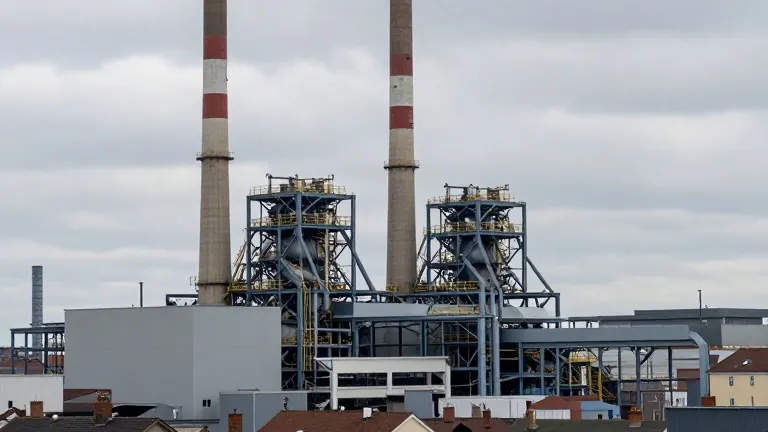
Residents in low-income neighborhoods around the Hennepin Energy Recovery Center in north Minneapolis face ongoing exposure to pollution from a facility that burns 365,000 tons of trash annually. The incinerator, known as HERC, is the subject of a new dispute after public records revealed that local government officials monitored environmental justice activists attempting to close the plant.
A report published by the Zero Burn Coalition, the Minnesota Environmental Justice Table, and other advocacy groups details these allegations based on emails secured through a Freedom of Information Act request. The documents show that county employees gathered intelligence on activist campaigns and shared that information with industry leaders. This data was used to help defeat state-level environmental legislation that the incinerator’s operators opposed.
Much of the alleged surveillance was coordinated by Joe Vital, the county’s environmental engagement coordinator. Hired in 2021, Vital had previously worked with members of the Minnesota Environmental Justice Table on other environmental issues, leading activists to view him as an ally. In June 2023, Vital attended a public Zoom meeting held by advocates to plan their next steps. Although organizers usually screen participants to identify industry or political opponents, they did not recognize Vital’s name. He subsequently sent a dossier to his supervisors detailing the attendees and their planned activities.
The information flow did not stop at the county level. Emails show that county director Rosemary Lavin received Vital’s reports and planned to discuss them with Lisa Cerney, a top public works official. Cerney later made public statements supporting the incinerator. In another instance, county employee Mallory Anderson joined an advocates’ email list without their knowledge. In March 2024, she forwarded their organizing plans to David McNary, a county official who also sits on the board of the Minnesota Resource Recovery Association.
McNary passed the information to industry representatives, including HERC operator president Tim Steinbeck. In an email, McNary expressed concern that a proposed bill to phase out polluting land uses could impact incinerator facilities. Steinbeck urged industry partners to testify against the measure. Their coordinated effort resulted in the bill’s failure. The Minnesota Resource Recovery Association describes itself as a membership organization that supports waste utilization as a renewable energy source.
Hennepin County, which employs 9,000 people, defended its actions through a spokesperson. The county stated that the allegations mischaracterize routine community engagement work, noting that officials regularly attend public meetings and monitor social media to understand resident perspectives. The spokesperson described the actions as ordinary functions of government aimed at finding alignment among stakeholders.
Activists remain skeptical of the county’s explanation. Nazir Khan, executive director of the Minnesota Environmental Justice Table, said the county uses community members as cover to gather intelligence. In a recorded conversation, Vital suggested he was actually working to gain intelligence on county officials rather than the activists. Khan noted that Vital provided little information of value to the advocacy groups, leading them to question his loyalty to their cause.
More Business · Business Complaints · Report a business · Got a Story?