US synagogue bomb threats drop to 59 as lethal attacks rise
Israel's Diaspora Affairs Ministry warns that while remote harassment decreases, physical violence against worshippers increases.
By Harper Laurent ·
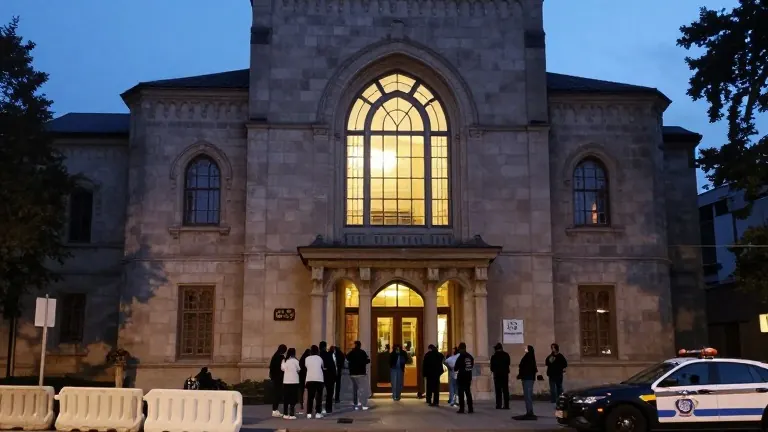
Israel’s Diaspora Affairs Ministry issued a warning to Jewish communities worldwide on Thursday, citing a rise in lethal threats to synagogues and their members. The report was released ahead of the 88th anniversary of Kristallnacht.
The document argues that the primary danger has shifted from false alarms to direct physical harm. While remote harassment and phone threats have decreased, the report notes that attackers are now targeting the daily routines of Jewish life. This includes the act of traveling to prayer services and gathering in community spaces.
Arson and Molotov cocktails remain the most common methods identified in the report, posing risks to buildings, Torah scrolls, and people inside. Gunfire and vehicle ramming attempts also feature prominently in the findings.
Data from the United States illustrates the disconnect between threat volume and severity. Bomb threats against synagogues in the US fell from 1,009 in 2023 to 59 in 2025. Despite this drop in threats, the number of attacks involving lethal weapons increased from 23 in 2024 to 32 in 2025. Total antisemitic incidents in the US fell by 33 percent to 6,274 in 2025.
In Britain, authorities recorded a record 227 synagogue-related incidents in 2025. Fifty of these attacks targeted worshippers while they traveled to or from services. The report also details repeated assaults on specific communities. Toronto’s Shaarei Torah community was targeted ten times during the period, suffering vandalism and arson.
The ministry links some of these attacks to terrorist networks and state actors, including Iran. Investigations in Montreal, Toronto, and Sydney suggest that local criminal elements are being paid to carry out attacks and fires. This method allows the groups commissioning the violence to hide their involvement.
Avi Cohen-Skali, Director-General of the Ministry of Diaspora Affairs and Combating Antisemitism, described the findings as a serious warning sign for sovereign states. He called on governments to strengthen protection for Jewish institutions and bring those responsible to justice. Cohen-Skali stated that the ministry would continue to identify threats and share information with relevant authorities to support community security.