US Sanctions Freeze ICC Judge’s Bank Accounts and Daily Life
Canadian judge Kimberly Prost faces blocked transfers and frozen funds as Washington expands penalties against the International Criminal Court.
By Harper Laurent ·
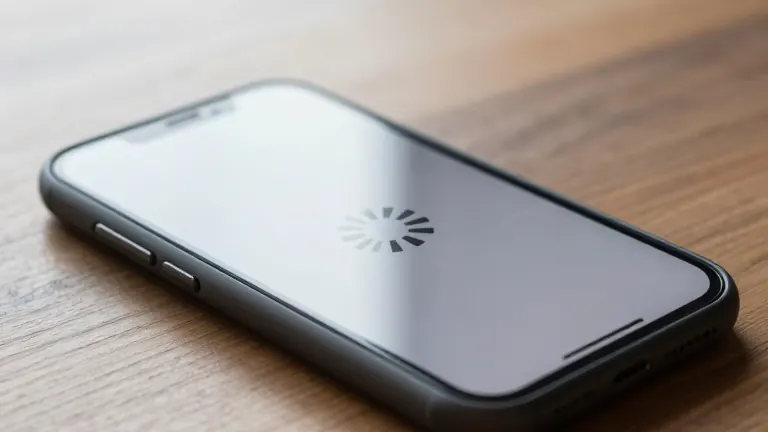
Kimberly Prost, a judge on the International Criminal Court, found Google Maps unusable on a London street this month. The app failed not because of a weak signal, but because United States sanctions had cut off her access to the service. The glitch signaled a shift in how the penalties affect the daily routines of the targeted jurists.
The measures stem from an executive order signed by President Donald Trump in February 2025. The directive allowed the administration to freeze assets, restrict visas, and apply financial penalties to individuals assisting the ICC. Washington applied these tools throughout 2025 and into 2026, targeting Prost and other figures like UN Special Rapporteur Francesca Albanese.
Prost served on the bench that tried dozens of accused war criminals and helped draft the Rome Statute. She was sanctioned in August 2025 after her role in a 2020 decision that authorized an investigation into US personnel in Afghanistan. US Secretary of State Marco Rubio argued the court is politicized and infringes on American sovereignty, even though the US is not a party to the treaty.
The financial impact has forced Prost to adapt to new hurdles. She described the anxiety of transferring funds, unsure if transactions would succeed or if she needed to avoid credit cards. In the United Kingdom, Western companies over-complied with the rules, freezing her funds during transfers. One wedding gift sent in euros from the Netherlands to the UK in pounds was blocked entirely.
The ICC is currently in a six-month grace period before further sanctions take full effect. The court faces frozen assets, travel bans, and suspended telecommunications software. To reduce risk, the institution is moving away from US-based banking and technology systems. Private companies and governments often over-comply to avoid US displeasure, leaving limitations in place.
Last week, President Trump met with leaders from China and Russia to pressure the court further. He referred to the ICC as a rogue globalist organization. In July, Secretary of State Rubio stated the administration aims to dismantle the court brick by brick. The diplomatic standoff has intensified as the US and Israel claim the court lacks jurisdiction because they are not signatories to the treaty.
In August, an ICC bench halted investigations into war crimes allegations against the US military. The court cited a lack of confidence in the prosecution. The prosecutor's office has appealed the decision. Prost said she would make the same appeals chamber decision again based on the evidence. She noted that sitting judges are speaking out in an unusual move to counter what she views as a blatant attack intended to prevent decisions the US dislikes.