Taiwan Data Shows Overlap in Entertainment Habits, But AI Adoption Faces Hurdles
New research reveals high consumption across media types, yet industry leaders flag legal and technical gaps in AI production tools.
By Malik Salazar ·
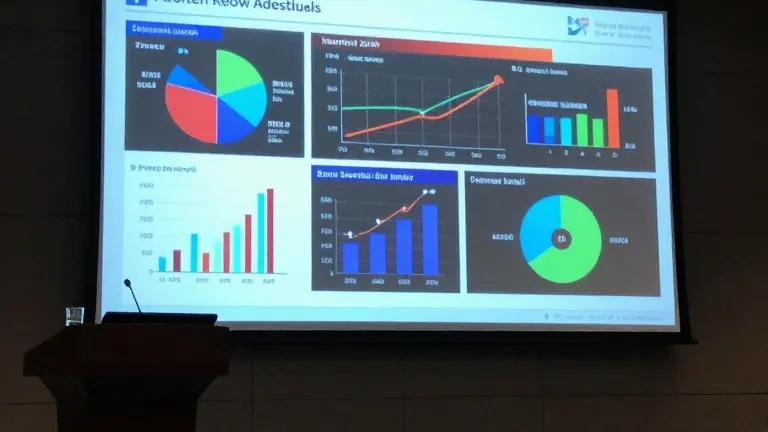
Taiwanese audiences consume screen, print, and audio media in ways that create natural bridges for new intellectual property, but the integration of artificial intelligence into production remains fraught with uncertainty. These findings emerged during presentations at the Taiwan Creative Content Fest in Taipei on Friday, where analysts from the Taiwan Creative Content Agency, or TAICCA, shared data on consumer habits and technical workflows.
The agency’s annual cultural consumption survey, which collected approximately 2,000 valid responses, shows that 96% of respondents watched audiovisual content in 2025. Reading published works and playing video games each reached a 75% participation rate. When combining audiovisual content with music, engagement stood at 90%. A separate 2026 genre study added depth to these figures, surveying 2,018 respondents aged 15 to 69.
In that genre study, 1,242 participants had watched local audiovisual productions in the prior year. Of that group, 40% had also seen Taiwanese screen adaptations. The data indicated that local productions resonate more with audiences through everyday experiences, family relationships, and romance, while foreign titles dominate in action, fantasy, and suspense categories. Romance emerged as a particularly strong area for cross-format development, linking school-life narratives with comics, popular music, and mobile gaming.
Audience overlap extends to international content. Among viewers of Taiwanese romantic dramas, 84% watched foreign series, 63% watched foreign films, and 58% watched foreign animation. This heavy consumption of overseas material suggests a complex landscape for local producers trying to compete or collaborate across borders.
TAICCA analyst Chhoa Hiok-chong presented findings on AI use in audiovisual production. Industry estimates suggest adoption rates range from 70% to 85% in post-production and visual effects, 60% to 75% in pre-production, and 15% to 25% on set. Examples cited included Netflix’s Argentine series “The Eternaut” and AI-assisted projects from South Korea’s CJ ENM. However, the presentation detailed unresolved technical issues, such as maintaining visual consistency between shots and preserving narrative continuity.
Legal challenges also feature prominently in the research. The Database of AI Litigation counted 489 AI-related cases through August 2026, with 153 involving cultural and creative industries. The session reviewed protections negotiated by Hollywood unions, including SAG-AFTRA and the Writers Guild of America, which address digital replicas, consent, and compensation. Consumer surveys highlighted resistance, with 51% of U.S. respondents rejecting entirely synthetic virtual performers and 44.7% of Japanese respondents showing less interest in buying content after learning it was AI-generated.
Attendees questioned whether current savings estimates account for the initial costs of workflow changes, such as experimentation and revisions. They also noted a shortage of Taiwan-specific examples addressing copyright conflicts. In response to questions about regulation, Chhoa pointed to existing guidance from the Ministry of Culture regarding generative AI in arts and culture.
More Business · National news · Business Complaints · Report a business · Got a Story?