Nvidia CEO's Duck Demo Sparks 20,000 Preorders for Holiday
A viral keynote moment featuring small robotic ducks has turned them into a top holiday contender, with preorders surging past 20,000 units in just one day.
By Malik Salazar ·
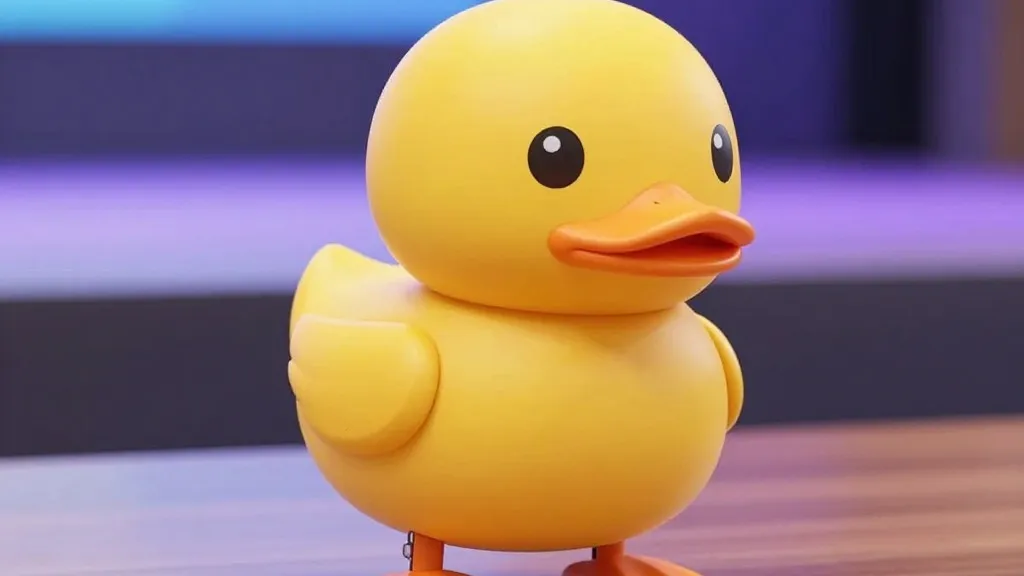
A flock of waddling robotic ducks has become the unexpected star of this week's tech news, capturing the attention of millions after a live demonstration by Nvidia leadership.
The surge in interest is measurable and rapid. According to Clem Delangue of Hugging Face, preorders for the Microduck robots surpassed 20,000 units by the day following the initial reveal. This volume of sales was generated largely through organic social media engagement following the keynote presentation. The devices are now positioned as potential best sellers for the robot category in 2026. Delangue suggested that the appeal may extend beyond the traditional toy demographic, noting that promotional materials feature adults interacting with the units as well.
The central figure in the viral video is Jensen Huang, the chief executive of Nvidia. He was seen at the GTC Berlin conference playing with a group of these small machines. The footage shows the robots executing specific movements, including stomping their feet, sitting, and performing somersaults. They also make small digital sounds reminiscent of classic sci fi characters. At one point in the demonstration, the robots appear to fall over for a simulated nap. The interaction was casual and playful, contrasting with the typical technical presentations seen at such events. The video circulated widely across social platforms, generating significant buzz for the product.
The Microducks are open source devices manufactured by Pollen Robotics. That company was acquired by Hugging Face in 2025. Nvidia subsequently purchased Hugging Face in September of this year, making the robot line part of the GPU giant's portfolio. This is the second robotic product from the Hugging Face division, following the release of the Reachy Mini. The hardware is designed to be accessible and interactive, allowing owners to customize the behavior of their units. Pollen Robotics states that users can teach new tricks to the ducks and share those custom behaviors with the broader community. This collaborative aspect is a key feature of the device's ecosystem.
The technology behind the movement relies on Nvidia's internal software stack. Simulations of the robots were used to train them in basic commands such as walking, sitting, and standing. These pre loaded behaviors are what users see when they first unbox the device. The integration of high performance computing with small form factor robotics highlights the company's expanding reach into consumer and hobbyist markets. The timing of the release coincides with the holiday shopping season. Deliveries are expected to arrive in time for Christmas, which could cement the Microducks as a popular gift option this year. The market reception suggests a strong demand for interactive, open source hardware that offers both utility and entertainment. For Southeast readers and tech enthusiasts, the story serves as a reminder that innovation in robotics is moving quickly from the laboratory to the living room. The rapid sales pace indicates that the public is eager to engage with these emerging technologies in a tangible way. The success of the Microducks may influence how other companies approach the design and marketing of their own robotic products in the coming months. The combination of visual appeal, interactive capability, and brand recognition from the Nvidia leadership has created a perfect storm for holiday sales. As the year comes to a close, these small yellow robots may well be the most talked about tech gifts of the season. The viral nature of the launch ensures that the product will remain in the public eye through the critical December period. For now, the story stands as a bright note in a busy news cycle, showcasing the fun side of artificial intelligence and robotics.
The stakes for the company include establishing a foothold in the consumer robotics market. By leveraging its software capabilities in a physical form, Nvidia demonstrates the practical applications of its AI tools. The open source model invites community involvement, which can drive further innovation and adoption. The potential for the Microducks to become the best selling robot of the year adds significant weight to the product launch. It also signals a shift in how AI companies engage with the general public, using charm and interactivity to build brand affinity. The holiday delivery timeline creates a sense of urgency for buyers and retailers alike. With 20,000 units already secured, the manufacturing and logistics teams face the challenge of meeting demand in a compressed timeframe. The success of this product may pave the way for more consumer facing hardware from the Nvidia ecosystem in the future. The viral moment has already achieved its goal of generating widespread awareness and excitement. For the tech world, it is a clear indication that accessibility and fun are key drivers for new technology adoption.