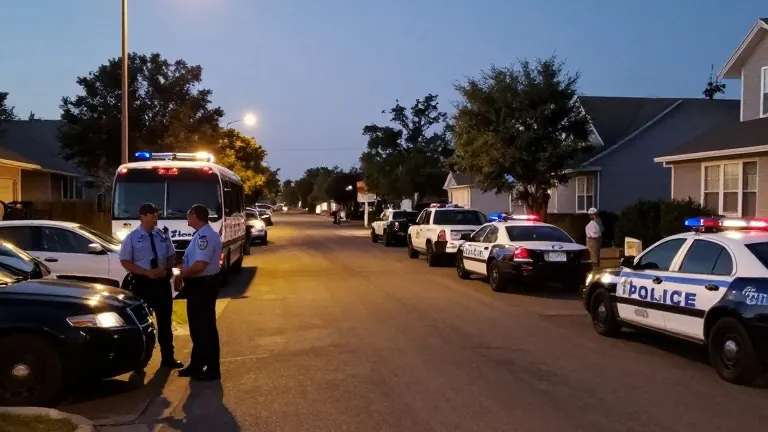
FAA official on site during cable swap that triggered 5-hour US flight freeze
Transportation Secretary Sean Duffy seeks $50 billion for upgrades after L3Harris work in Arkansas allegedly overloaded the network.
By Harper Laurent ·
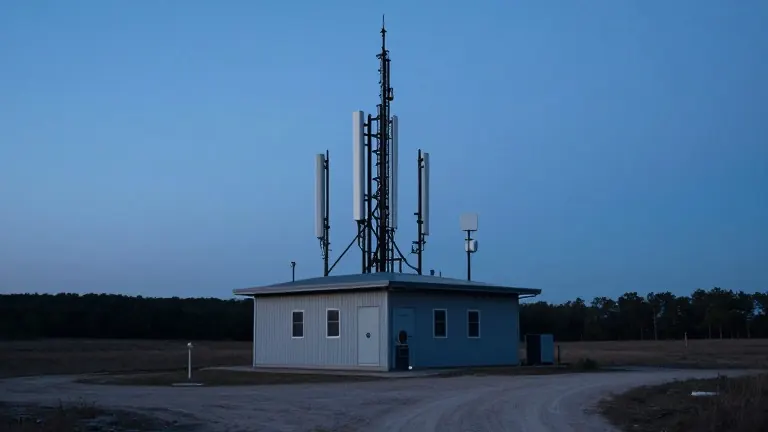
A Federal Aviation Administration official was present at the Arkansas site where work began that led to the nationwide flight halt on Friday, The Washington Post reported on Wednesday. The outage paralyzed US air traffic for nearly five hours, forcing planes to land and disrupting schedules across the country.
The FAA employee was supervising L3Harris crews as they replaced old copper cables with new fiberglass lines at a remote location in El Dorado, Arkansas. This revelation adds a layer of internal oversight to the incident, which Transportation Secretary Sean Duffy attributed to potential errors by the contractor.
Duffy told reporters on Tuesday that the agency is determining whether the failure resulted from "incompetence," such as user error or installer error by L3Harris, or from a faulty router. "We have not determined what the fault was," Duffy said. A source close to the FAA described these statements as "inflammatory" and "insulting," noting that the team is still working to find the root cause.
The FAA’s initial public response relied on Duffy’s earlier comments that he expected L3Harris to "hire better minds." Other companies are now being evaluated to complete the remainder of the contract. On Saturday, Duffy explained that a router sent more than 1,000 connection attempts every four to five seconds, overloading the network and causing static in communications with airplanes and radar systems.
L3Harris has stopped using the Juniper routers implicated in the incident. However, the FAA still operates 68 of those units in the United States. Adam Bauer, a spokesman for HPE, the maker of the Juniper devices, said, "Based on what we know and have been told by others, our equipment was working as configured."
Duffy has raised his funding request for network modernization to $50 billion, up from the $30 billion he previously sought. He labeled the situation an emergency. Homeland Security Secretary Markwayne Mullin said on Saturday there is "zero evidence" so far that the outage was caused by a cyberattack or a rogue AI system, though investigators have not ruled out either possibility.