Austin buses now run 22 hours with new charging hubs
CapMetro opened two new park-and-ride sites that use overhead chargers to extend electric bus service on the Rapid 800 and 837 lines.
By Malik Salazar ·
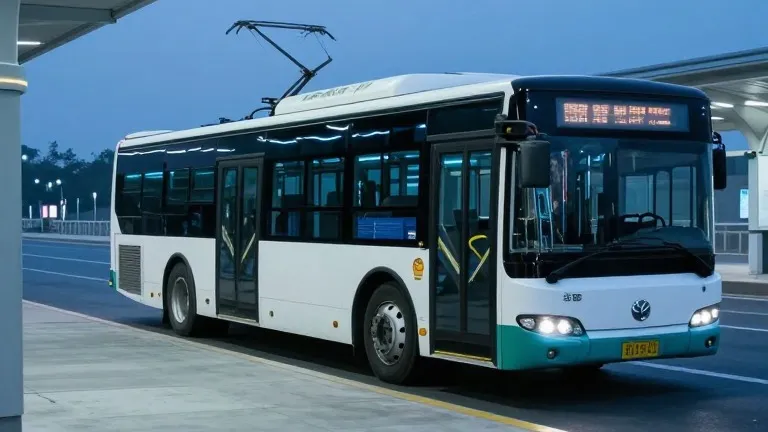
Commuters on the Rapid 800 and Rapid 837 lines in Austin can now expect bus service lasting up to 22 hours a day. CapMetro, the city’s transit agency, activated two new facilities on October 23 that allow electric buses to charge while parked at the end of their routes. This setup eliminates the need for buses to return to a central depot for overnight charging, keeping them on the road longer.
The new sites, Goodnight Ranch and Expo Center, serve as the terminals for the two electrified bus lines. They feature overhead pantograph chargers that connect to the roof of the buses. According to CapMetro, these units perform top-up charges during breaks between trips. This process ensures vehicles have sufficient power for the return journey without range limitations.
The charging infrastructure is part of a larger network managed by Camber Charging. At CapMetro’s main bus depot, two 1,440 kW systems connect to 48 industrial dispensers. This creates a total capacity of 2.9 MW, enough to charge the entire fleet of 48 electric buses simultaneously overnight. The new terminals extend this grid to the ends of the service lines.
Andy Skabowski, CapMetro’s Chief Operations Officer, stated that the on-route charging strategy changes the operational window for the vehicles. "Instead of a typical bus holding 8 hours of charging, on-route charging takes that out to 20 to 22 hours," he said. He noted that this frequent charging cycle enables the agency to maintain service intervals of 10 to 15 minutes.
The buses are New Flyer Xcelsior models built on a battery-electric platform. New Flyer indicates the platform can provide up to 660 kWh of available capacity. The vehicles produce up to 320 horsepower, with full torque available from a standstill. This performance profile is designed to handle the stop-and-go traffic patterns common in Austin.
Camber Charging handles preventive maintenance and remote diagnostics for the equipment at all three locations. The software also manages energy usage across the network. The facilities were first announced in June and have been open to the public since the start of the current service period.
The expansion supports the agency’s growing fleet of electric vehicles. The two new park-and-ride facilities also include improved passenger amenities at the route endpoints. These upgrades aim to provide a smoother transition for riders using the transit system.