Analog Recording: Lael Neale Releases 'As Killers Do' on 8-Track
The musician self-produced her new album using a 1980s omnichord and limited tape to capture a raw, immediate sound.
By Malik Salazar ·
Lael Neale has released her new album, 'As Killers Do,' a record defined by its reliance on analog technology. The project was self-produced and recorded entirely on 8-track tape, a method that has largely fallen out of favor in the modern music industry. This approach was central to the creative process, forcing Neale to work within strict physical limitations.
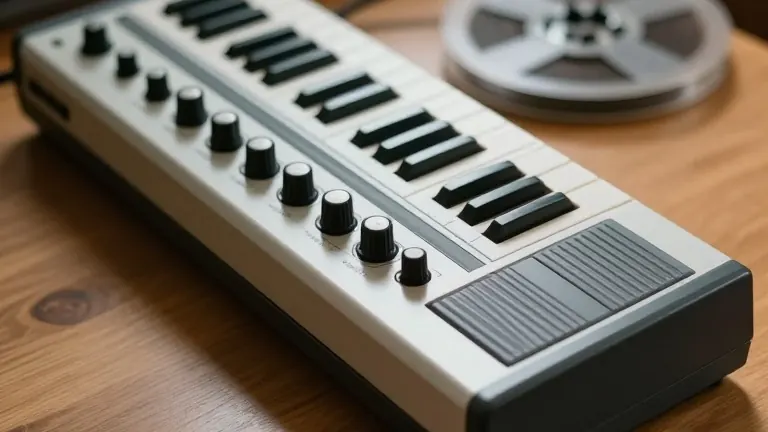
The album features a prominent role for the omnichord, a 1980s-era electronic instrument that is now rarely seen. The device is described as a chunky, oblong shape with various keys, knobs, and a ridged touchpad. Neale first encountered the instrument with skepticism, describing herself as nonplussed and completely dubious of its capabilities. She initially viewed it as a tool for teaching children, yet the experience changed her perspective immediately after she powered it on.
The first sound from the device prompted a strong emotional response from the musician. She described the moment as a revelation, comparing it to the clouds of heaven parting. The instrument has since become a constant companion in her work, providing the bed for the title track. Neale treats the device with a sense of protection, noting that she has defended her right to carry it on airplanes against airline stewards. She calls the omnichord her emotional support animal, feeling safe with it present in front of her.
The recording process on 8-track tape imposed a finite amount of space and a limited number of tracks. These parameters forced an immediate and raw quality into the music. Neale stated that this constraint made the sound much more real. By stripping away modern digital conveniences, she found the process to be completely liberating. The limited tape space required careful decision-making and prevented the accumulation of excessive layers.
Neale also embraced self-publishing for the release, a move she credits with removing creative blocks. Owning her own music allows her to decide when to release an album without answering to external parties. She noted that she is now the one who creates the pressure, rather than a label. This autonomy aligns with a minimalist philosophy that has developed in her life and art, influenced by frequent moves and a desire to own less.
The lyrics on the album address themes of anxiety and mortality. The track 'Slip Away' is a catchy song about death, inspired by a conversation with her aunt regarding billionaires. Neale found that the idea of inevitable death, including that of the wealthy, provided a philosophical balance. She does not fear death as much as she used to, viewing the accumulation of stuff as an illusion of stability. The song 'I Wanna Be Unwound' reflects a period of mental strife, with lyrics describing a stiff collar and a need to be unwound.
Writing the songs served as a healing force for Neale during a time of confronting personal struggles. She described the process of making the album as therapeutic, allowing her to feel different on the other side of the experience. The album blends whimsical sounds from the omnichord with heavy lyrical content, creating a unique texture. The music aims to connect with listeners who may be feeling similar emotions.
The album is available now, marking a distinct step in Neale's career. The use of vintage technology and self-production defines the sound and the structure of the release. The project stands as a testament to the value of limitation in the creative process, resulting in a record that is both personal and immediate.