Los Angeles County reports record West Nile cases as El Niño approaches
The region logged 528 illnesses and 32 deaths this year, with forecasters predicting heavy rains that could fuel mosquito populations next season.
By Sarah Montgomery ·
Los Angeles County accounted for more than half of California's reported West Nile virus cases this year, marking the state's worst outbreak in five years. The California Department of Public Health recorded 528 serious human illnesses and 32 deaths as of Nov. 6. The virus spreads through Culex mosquitoes, which replicate the pathogen in their guts when temperatures exceed 70 degrees.
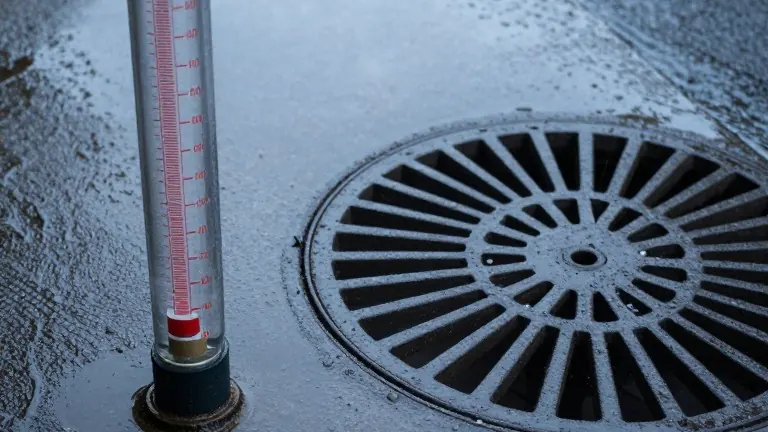
Warm and wet weather fueled the surge. A September storm brought an inch and a half of rain to parts of the city, breaking a 1965 record in downtown Los Angeles. Followed by days with highs of 104 degrees and lows above 77, the conditions washed out larvicide treatments in over 3,000 miles of underground storm drains. Susanne Kluh, general manager of the Greater Los Angeles County Vector Control District, noted that the drains maintain a constant 72 degrees, creating a persistent breeding ground.
At one point this summer, more than 70% of mosquitoes trapped for sampling carried the virus. That rate has since dropped to about one-third. Researchers at UC Berkeley found a tipping point in Los Angeles data: when average temperatures stay below 70 degrees, transmission is rare, but above 73 degrees, the risk spikes. Coastal Los Angeles currently hovers near that threshold, and warming trends push the region over the limit.
Federal forecasters assign a greater than 90% chance of a strong El Niño this winter. This pattern often brings heavy rain to Southern California. If floodwaters linger into spring, officials fear another population boom. A similar scenario played out in 2023 when flooding revived the Tulare Lake basin, creating habitat for mosquitoes and resulting in 433 human cases.
Paula Macedo, chair of the Mosquito and Vector Control Association of California, said the industry is bracing for next season. "We're all scared of next year," she said. "With the amount of activity that we already saw this year and having the forecast of being an El Niño year, we are all bracing ourselves."
Vector control districts face rising costs and new challenges. Residents fund the work through property taxes, typically $4 to $10 per year. Invasive Aedes aegypti mosquitoes, which bite humans during the day, complicate efforts. These insects do not carry West Nile virus but breed in tiny amounts of water. The Eaton fire in 2025 left 1,400 stagnant pools, adding to the workload. Budgets are stretched thin as districts try to manage both species and respond to disaster debris.
There is currently no vaccine for West Nile virus. Aaron Brault, a researcher with the Centers for Disease Control and Prevention, stated in an email that the U.S. needs one. He noted that while repellents and long sleeves help, they have not adequately reduced disease cases or deaths in the country. The CDC is exploring new treatments and diagnostic tests, but unpredictable outbreak patterns make clinical trials difficult.